In 2020, during the pandemic, I found myself spending a lot of time outdoors to escape the confinement I was feeling inside my home. I spent time nurturing my front and back gardens, reading outside, and walking with my dogs in my neighborhood, and in the parks nearby when I wasn’t teaching my students online. I have always loved being outside enjoying the beauty and calming elements of nature. When I was a child, you could find me with a book, reading under the shade of a tree, or walking in the forest of our backyard singing to the chickadees, the Maine state bird. I also loved to photograph nature, and that continues into adulthood as one of my favorite hobbies.
As I grew up, and moved away from home in Maine down to South Carolina, and then settled in Maryland with my husband. I have enjoyed experiencing all the different climates, weather patterns, and the unique natural personalities of these very different states. My travel that includes exploring the national, state, regional, and local parks has been especially delightful. As I raised my four children, I instilled a sense of wonder in them as we explored the natural world around us.
Feeling the breeze on my face, breathing deeply the Earthy scents, and enjoying nature’s symphony all fill me with a sense of peace. Listening to the birds joyfully sing to each other, and catching a glimpse of them swooping and soaring is a treat. For the past three years, since my 3rd grade Green Team assembled bluebird boxes for our school campus, I have been “grandma bird” to several broods of bluebirds and house sparrows. Documenting the bird nest building, the egg laying, the hatching, and the fledging stages has been so thrilling and satisfying to observe and share with my young naturalists.
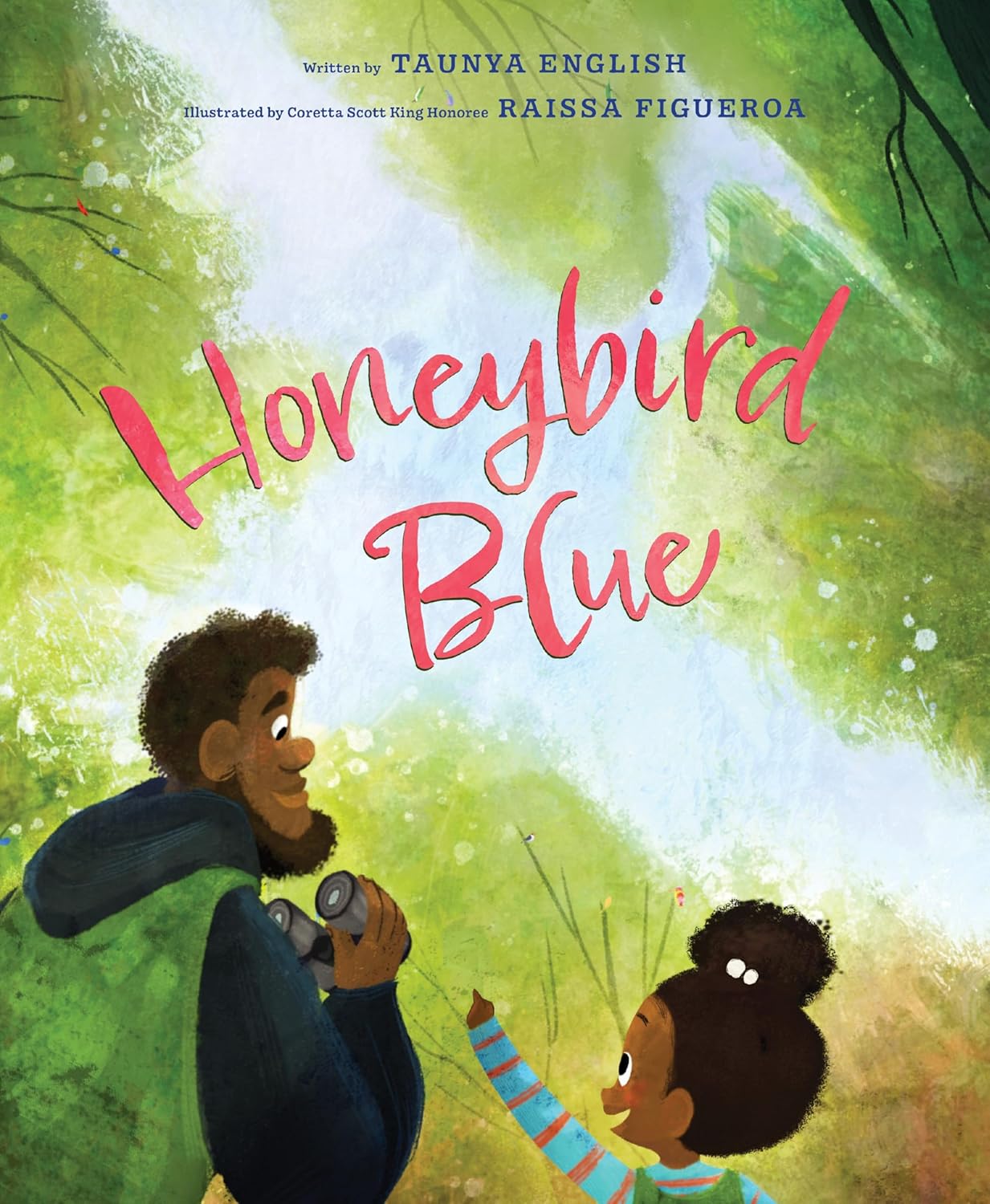
Becoming involved in the Maryland Association of Environmental and Outdoor Education (MAEOE), leading my school to becoming a Maryland Green School, and achieving Environmental Educator certification have added new levels of fulfillment in my life. While at the MAEOE conference in February, where I was presenting The Power of Picture Books: Nurturing Environmental Literacy from an Early Age , I met debut children’s author Taunya English and quickly fell in love with her picture book, Honeybird Blue which is a tribute to adventuresome, bird-loving fathers and their daughters.
I hope you enjoy my interview with nature lover, birding enthusiast, and debut children’s author, Taunya English.
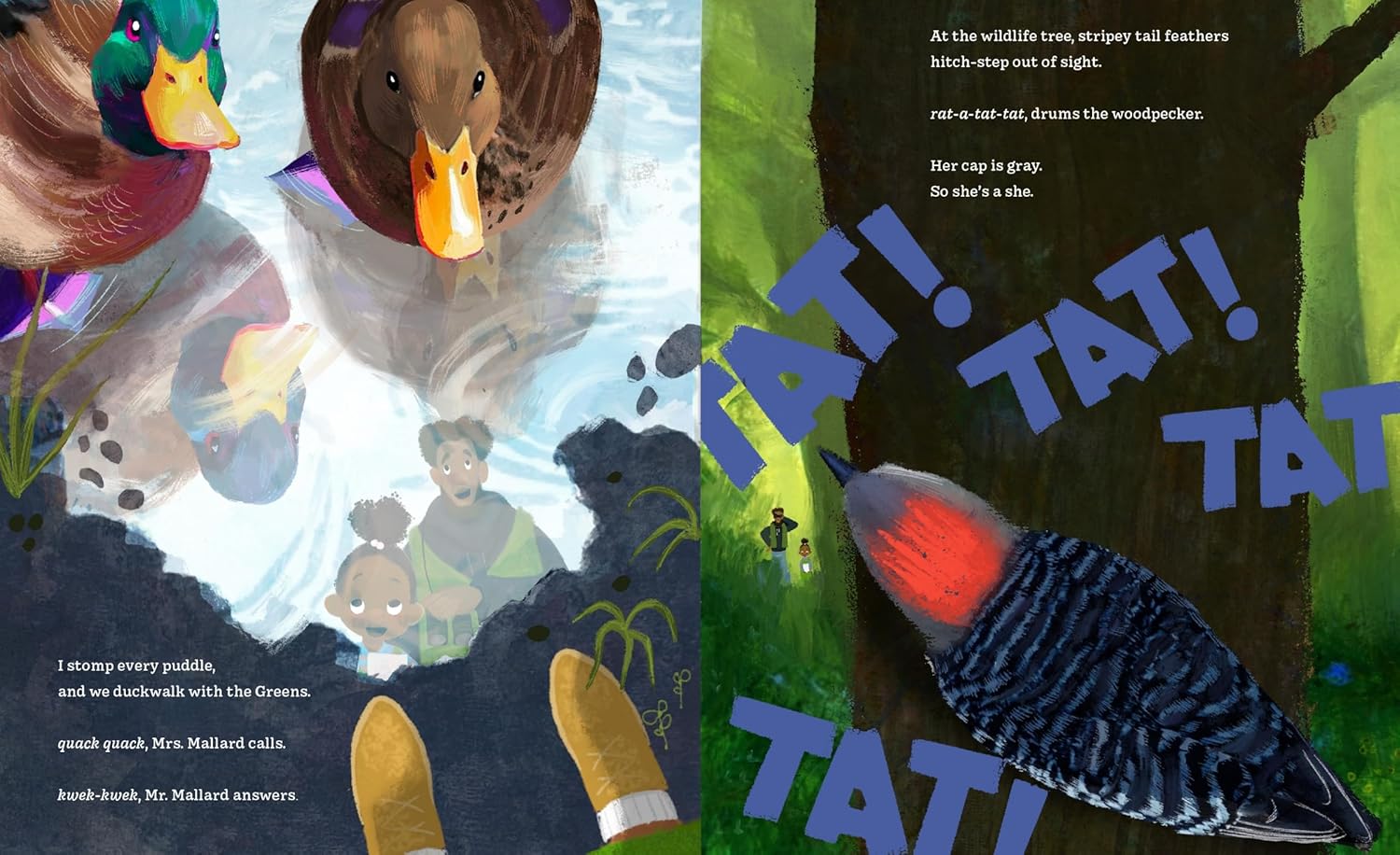
In Honeybird Blue, you use the term “EARbirding” -listening closely to bird calls. How does your own practice of birding by ear influence the rhythm and auditory “onomatopoeia” of your writing?
I was a radio reporter for many years. In that job I was on alert for the sounds I could bring back from my field reporting to create sonic scenes for the listening audience. My training as an audio reporter is probably the biggest influence on the rhythm and sound words I use in my picture book writing today.
I wanted to portray earbirding in Honeybird Blue because spotting species can be frustrating for newbies, especially during the summer when the leafy tree canopy and thick underbrush give birds lots of places to hide.
Birding by ear gives children — and adults! — who are new to binocular skills, another way to connect with nature and rack up successes. Tick!
Writing a children’s book typically involves extensive research. Did you need to conduct additional research, or did your personal experience as a birder guide you? If you did extra research, can you talk about your research process?
I’m an enthusiastic birder but not particularly skilled or experienced.
Because I’m a novice, I sought out critiques, feedback and fact-checking advice from veteran birders. Several people graciously volunteered their expertise and time.
I was inspired by the marshy landscapes at the John Heinz National Wildlife Refuge at Tinicum in Philadelphia. Early on, I visited several times and interviewed a biologist with the refuge. The U.S. Fish and Wildlife Service website, iNaturalist.org and several other sites list species that have been spotted at the refuge. I used those bird lists as a resource.
And as I wrote the story – and revised and revised and revised — the information and educator guides on Cornell Lab’s All About Birds site were invaluable.
What was your first thought when you found out that Coretta Scott King Honor-winning illustrator Raissa Figueroa was chosen to illustrate Honeybird Blue?
One of my first thoughts was: “Lucky me!” I’d been living with my vision of Honeybird for years, I couldn’t wait to see who Raissa’s Honeybird might be.
I’ve had a print of Raissa’s watercolor “Puffs” hanging in my home for years. It’s been surreal to see my words and her art play together on the page.
Of Raissa’s lush, luminous illustrations, which is your favorite page spread in the book? Why?
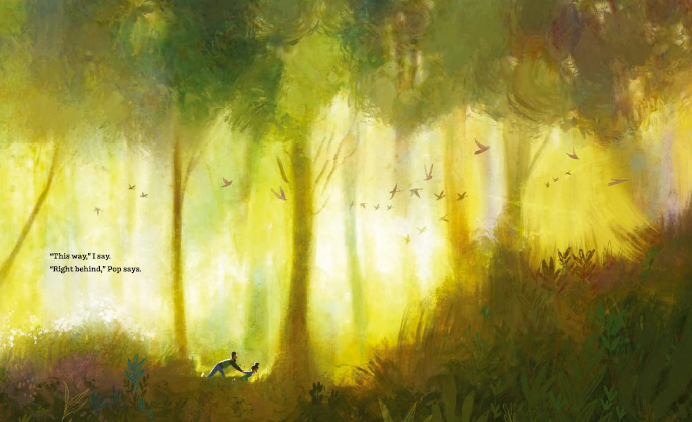
I don’t have a favorite. But at one point we see a wideshot of the wildlife refuge. That spread is spectacular. The shadowy greens and yellows evoke the feeling I get when I’m standing in a dense forest understory. I love that we get to see Honeybird leading the way in that scene.
Share a little about your presentations for classroom and library audiences?
Reading to a crowd of kids is nerveracking and exhilarating. I’ve had so much fun and sharpened my read-aloud skills in these weeks since the book was published. When a group of pre-K students rowdily sings “rat-a-tat-tat!” back at me, I’m all smiles.
I developed a guessing game about bird characteristics that reinforces Next Generation Science Standards and classroom lessons on animal survival needs and inherited traits.
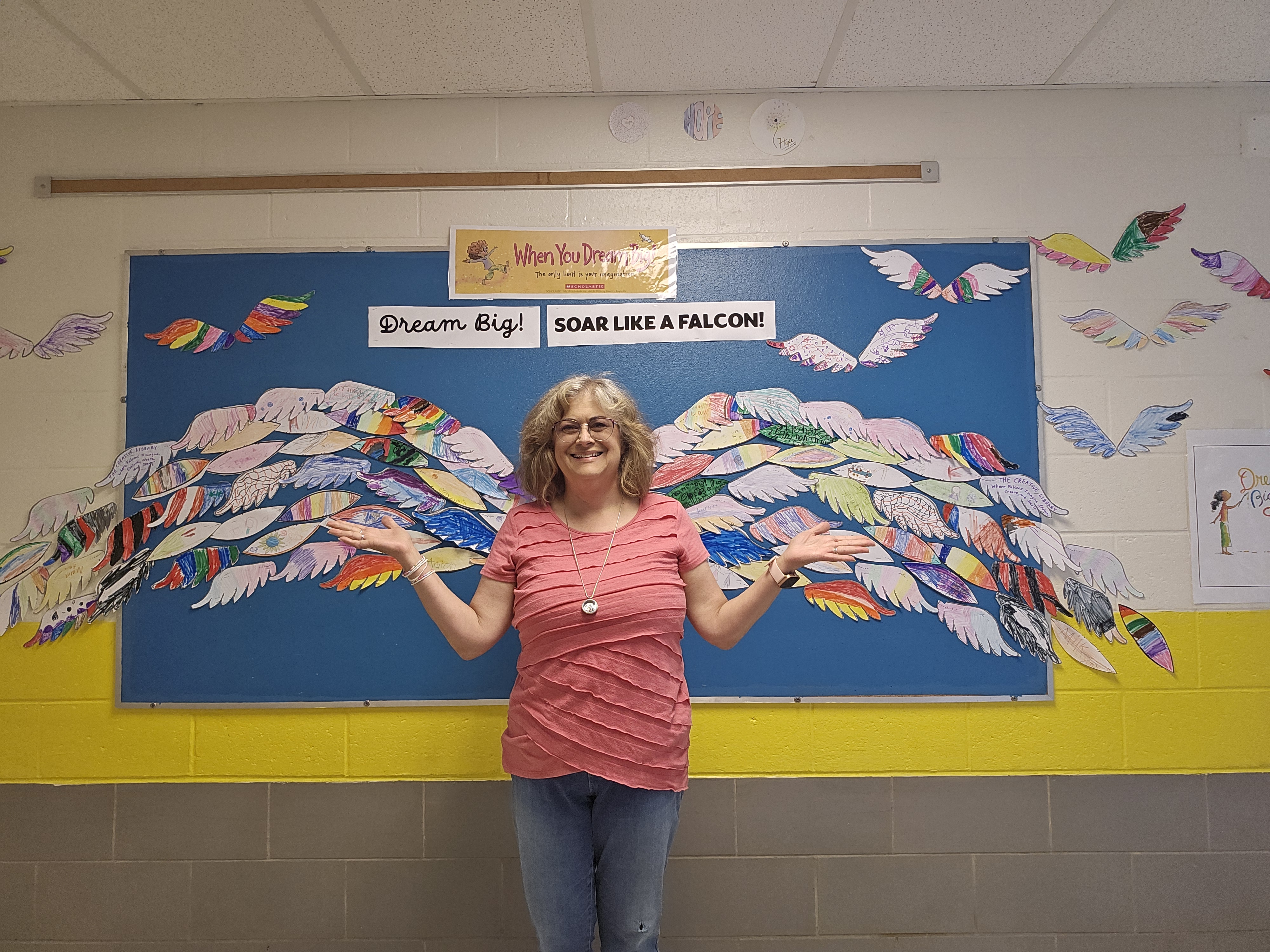
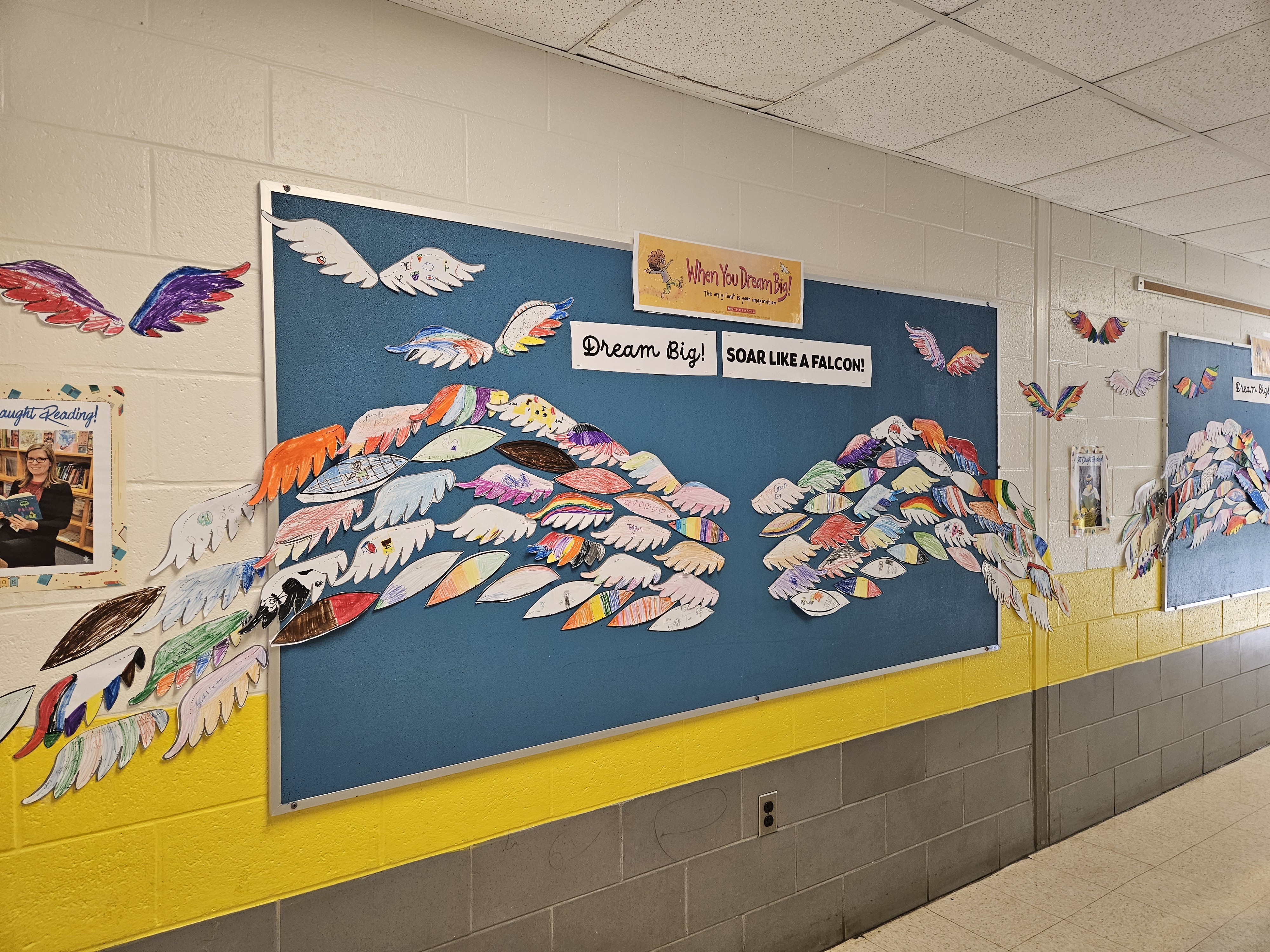
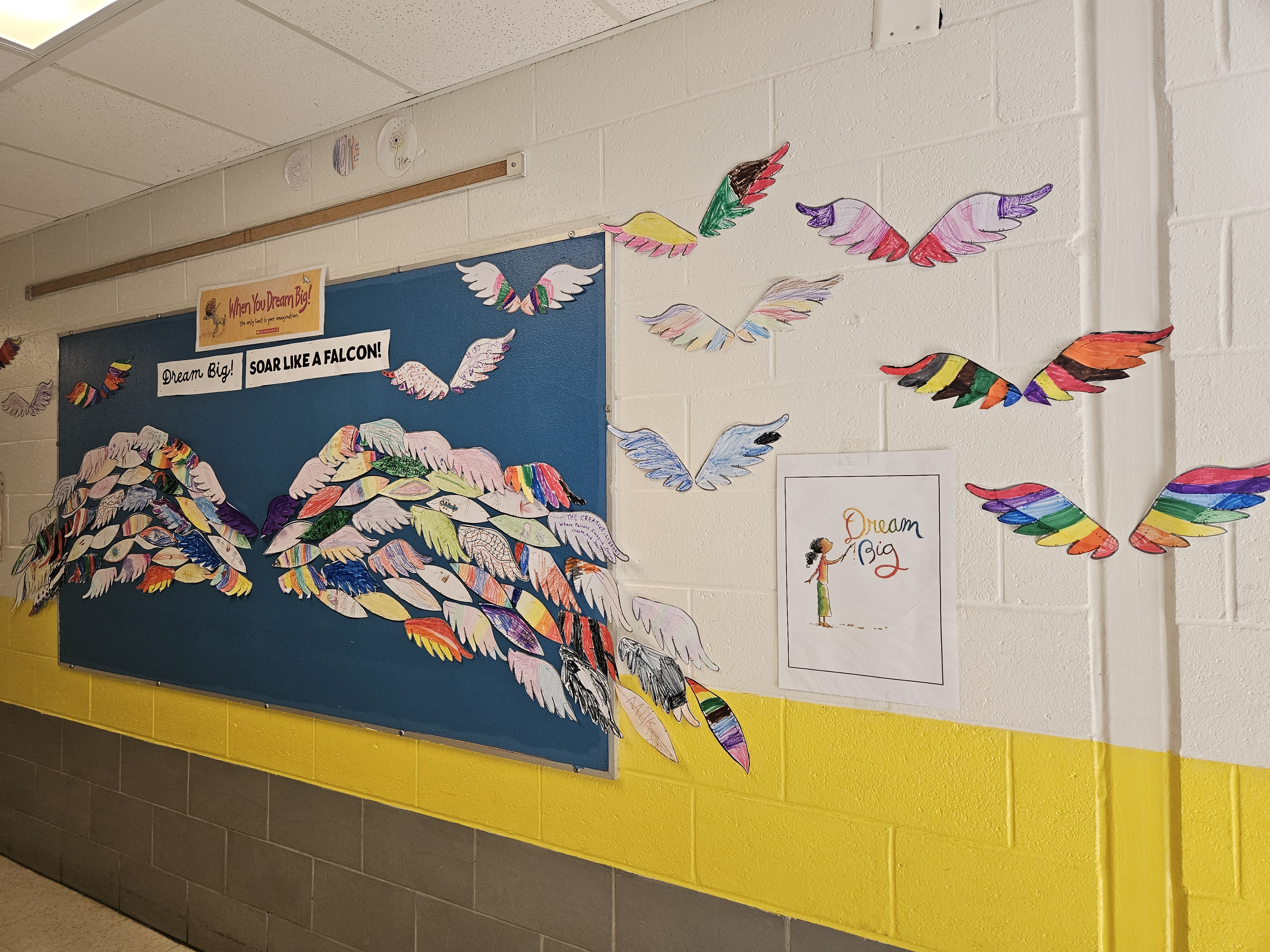
I also work with event hosts to try to incorporate a bird craft or community art project. A huge thank you to librarian Erika Walston at the Gaithersburg Library in Maryland. I’ve carried many of her wonderful ideas with me as I’ve developed my author-visit presentations.
Taunya, I heartily agree – Erika has been a fantastic partner to me and my school community over the past 4 years!
This just in … there’s now a Honeybird companion song. I lead a short call-and-response singalong to close out my time with the students.
Now that your debut picture book is out in the world, are there other nature adventures you’re looking forward to?
In August 2026, I’m headed to Sitka National Historical Park in Alaska through a program called STEAM in the Park.
My next picture book is Pop-Up Pond with illustrator Jennifer Ball-Cordero. It will be published in 2027 by Charlesbridge. The story follows a naturalist as she leads families on a flashlight hike to a vernal pool full of wetland animals.
In the lull before my next book, I hope readers will subscribe to my newsletter and follow my nature writing on Substack. My essays are often a first look at the subjects I’m exploring in my unpublished picture-book manuscripts.
Thank you, Taunya, for sharing your thoughts here today. I am looking forward to reading Pop-Up Pond next year with my nature-loving granddaughter, Hazel!

 The Creative Librarian