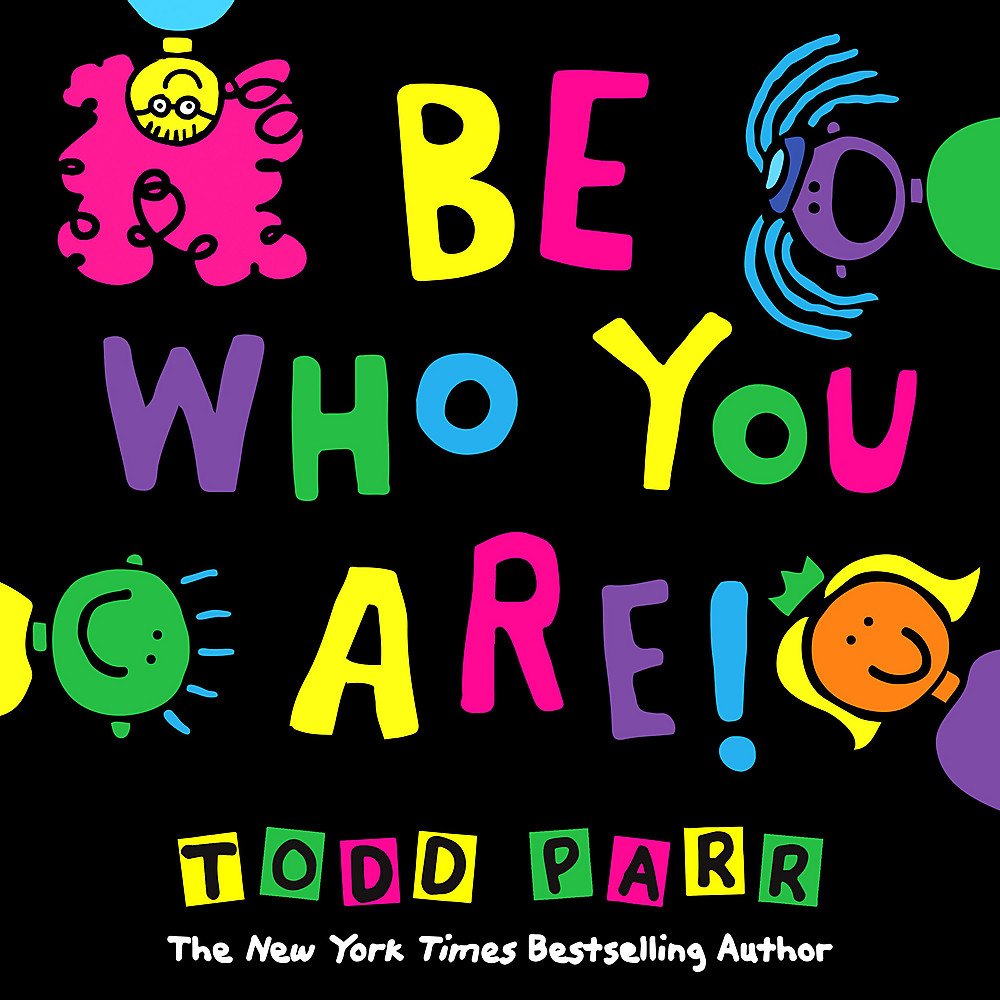
Todd Parr’s first annual#BeWhoYouAreDay was a fantastic celebration of diversity. I adore Todd’s illustration style, his thoughtful topics, and his letter to the reader at the end of each book. I am slowly building my home library collection of Todd Parr books for my future grandchildren (and for me).
Supreme Court Justice Ruth Bader Ginsberg had died shortly before I created my lesson around #BeWhoYouAreDay, and I included a lesson about her as she definitely lived a life of being true to herself everyday!
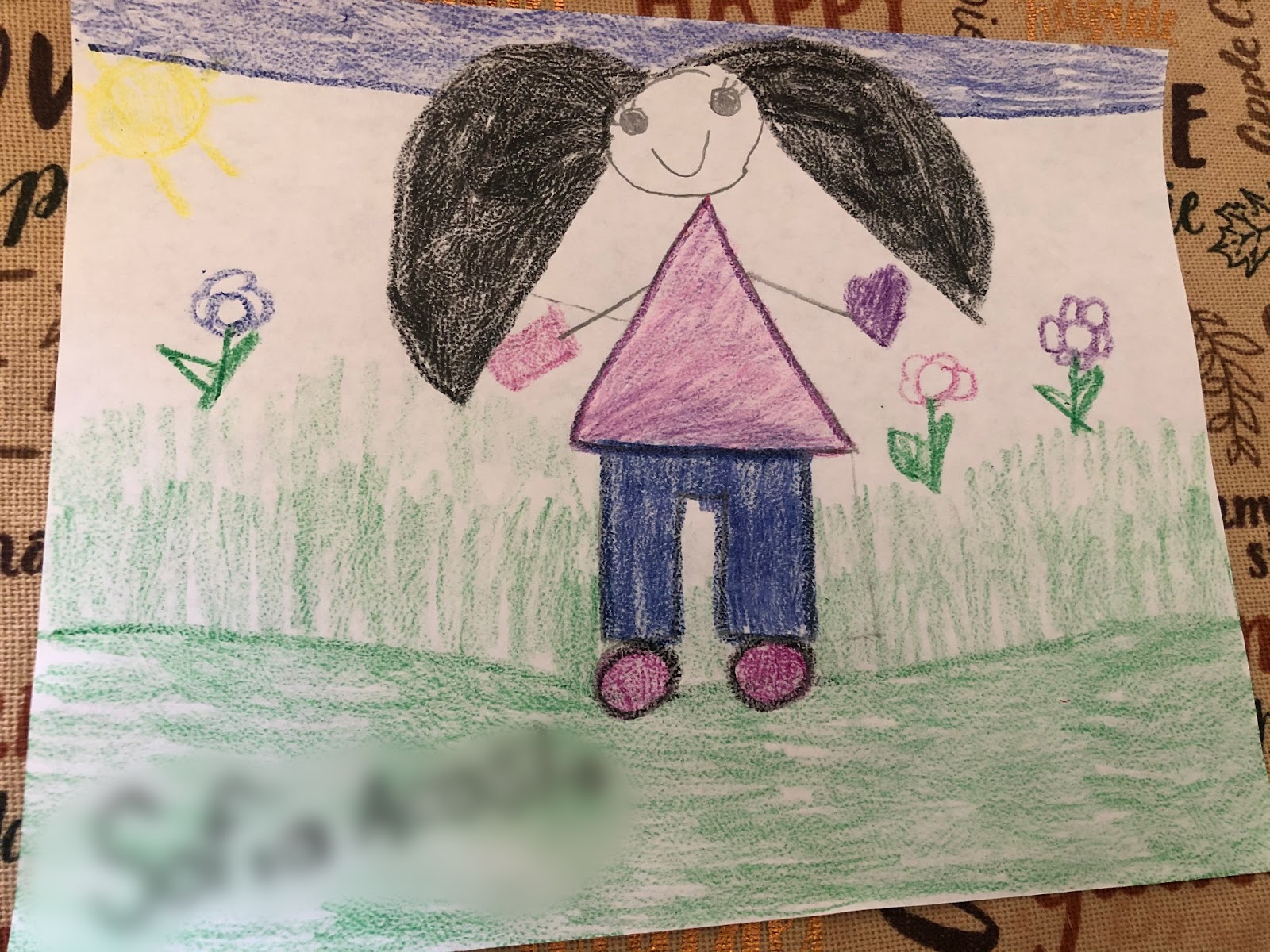
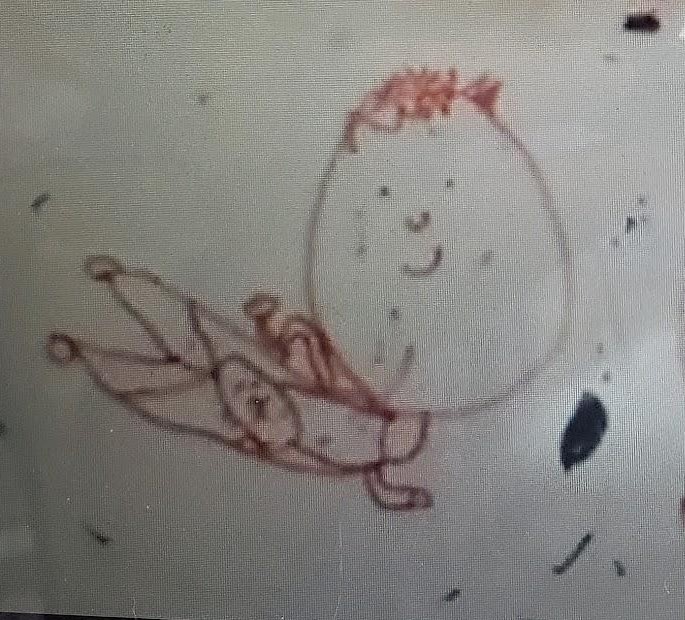
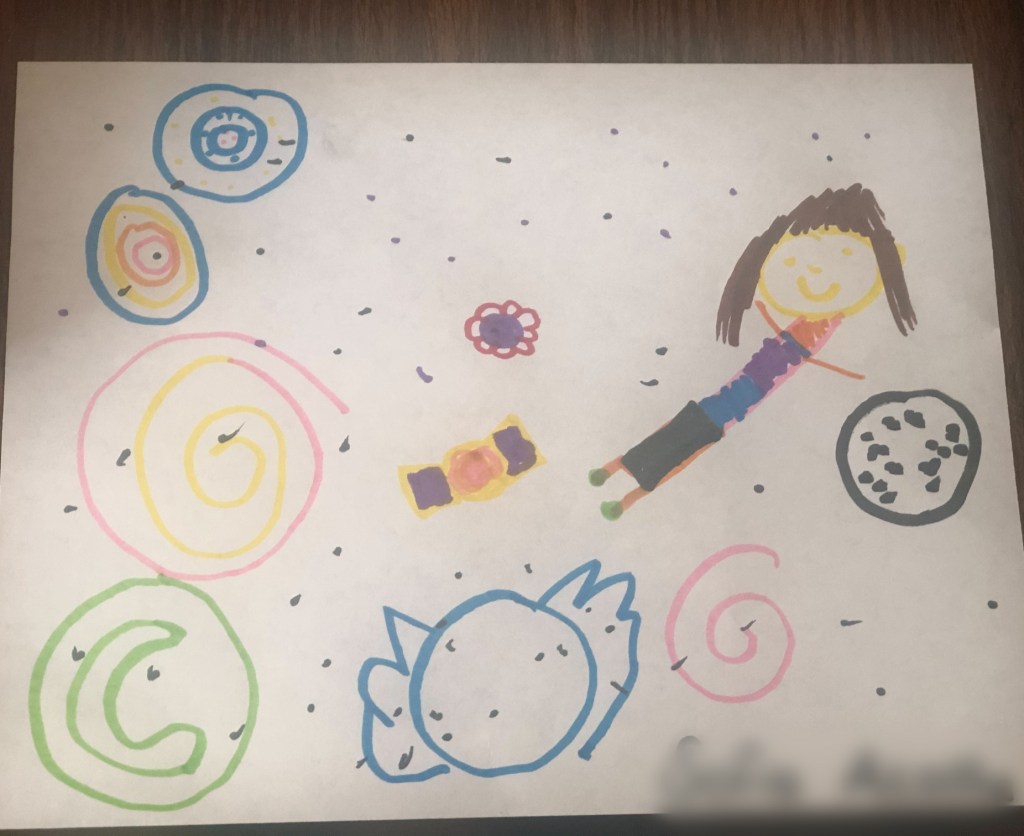
My lesson plan is here – in it I include a video from Todd to his readers and lots of encouragement for my students to celebrate their uniqueness. Below is a beautiful example of #BeWhoYouAreDay art that one of my sweet Falcons created. I hope that my students will take the important social-emotional messages and carry them close to their hearts as they go through life.
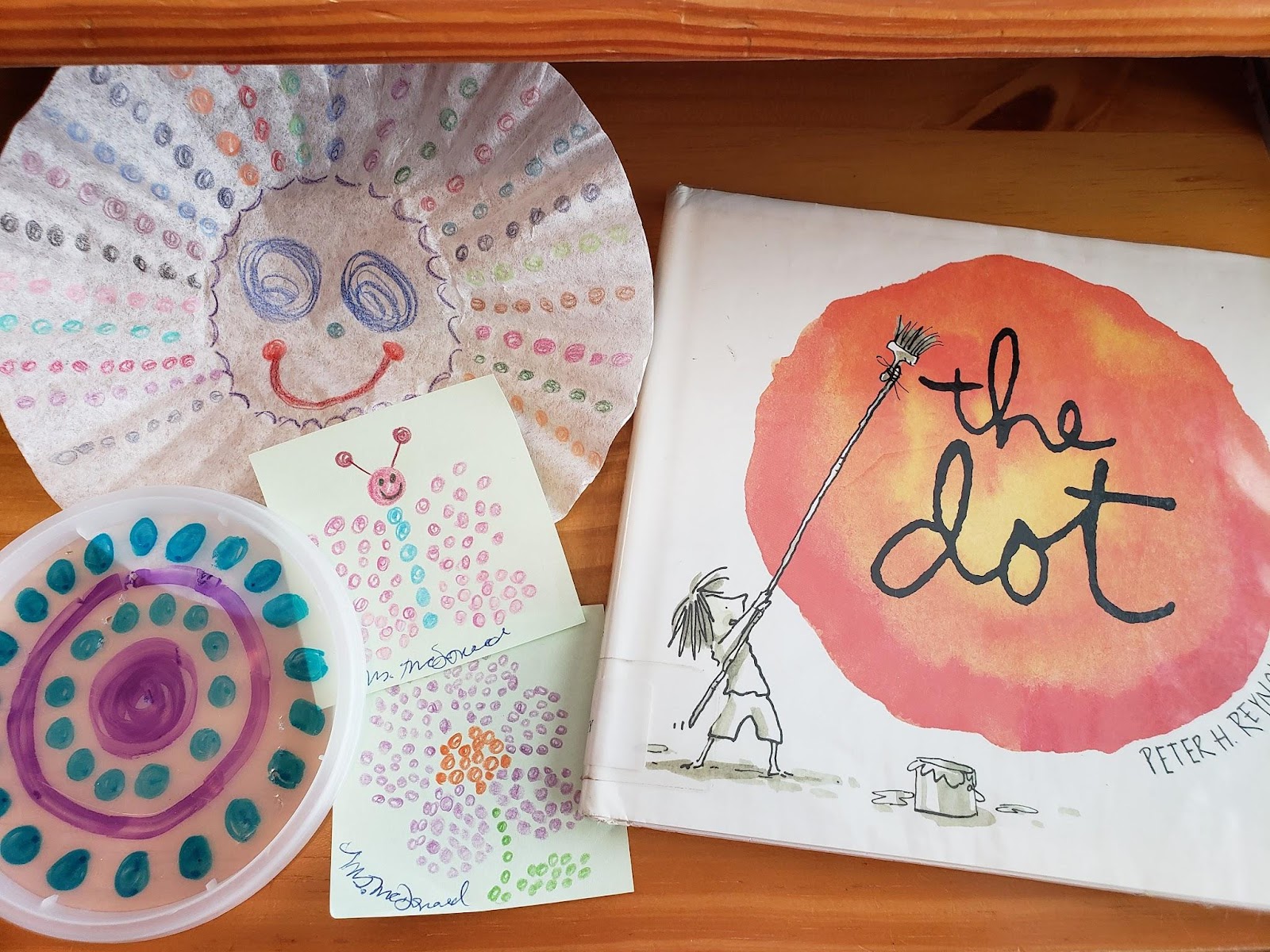
I take Peter H. Reynold’s International Dot Day seriously, and want to ensure that my students have a chance to participate in the celebration and make their mark. Being creative, courageous, and collaborative are important skills to hone! I typically celebrate for two weeks, giving my students a chance to enjoy reading The Dot again, and then I also share additional books that are dot-related.
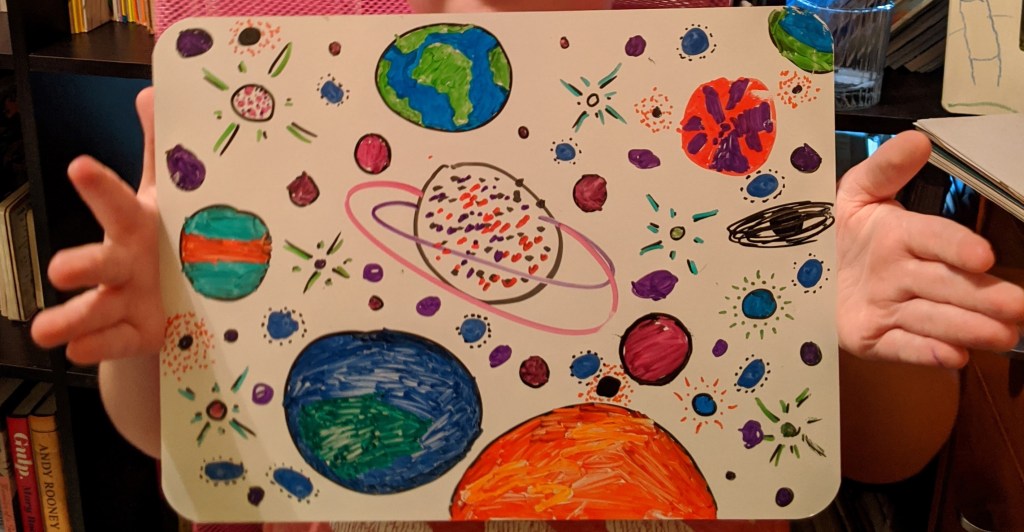
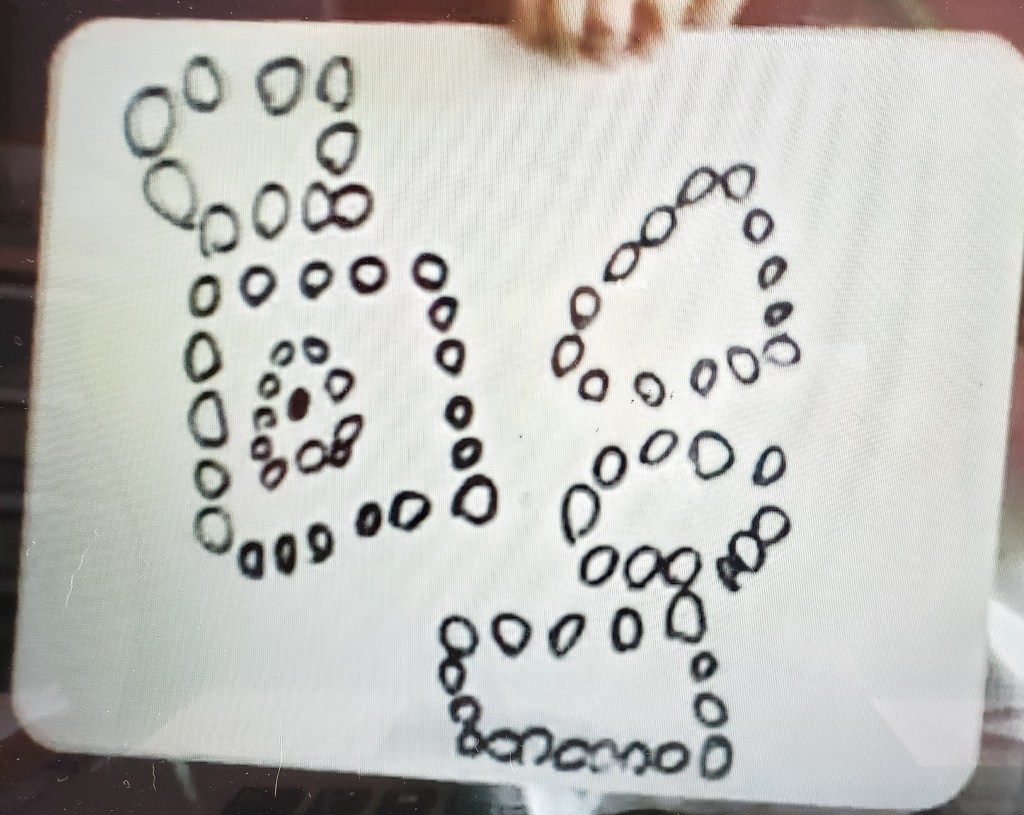
The first week we started off with a scavenger hunt to find something round or something with dots on it. I gave the kids two minutes to find something and bring it back to share, Then, I read The Dot and we discussed it’s meaning. We got up and danced toEmily Arrow’s Dot Song video. Then we watched the wonderfulKidLit TV videoof Peter creating Dot Dreamers, and created our own. Some of my favorite Dot Day Dreamer drawings are below:
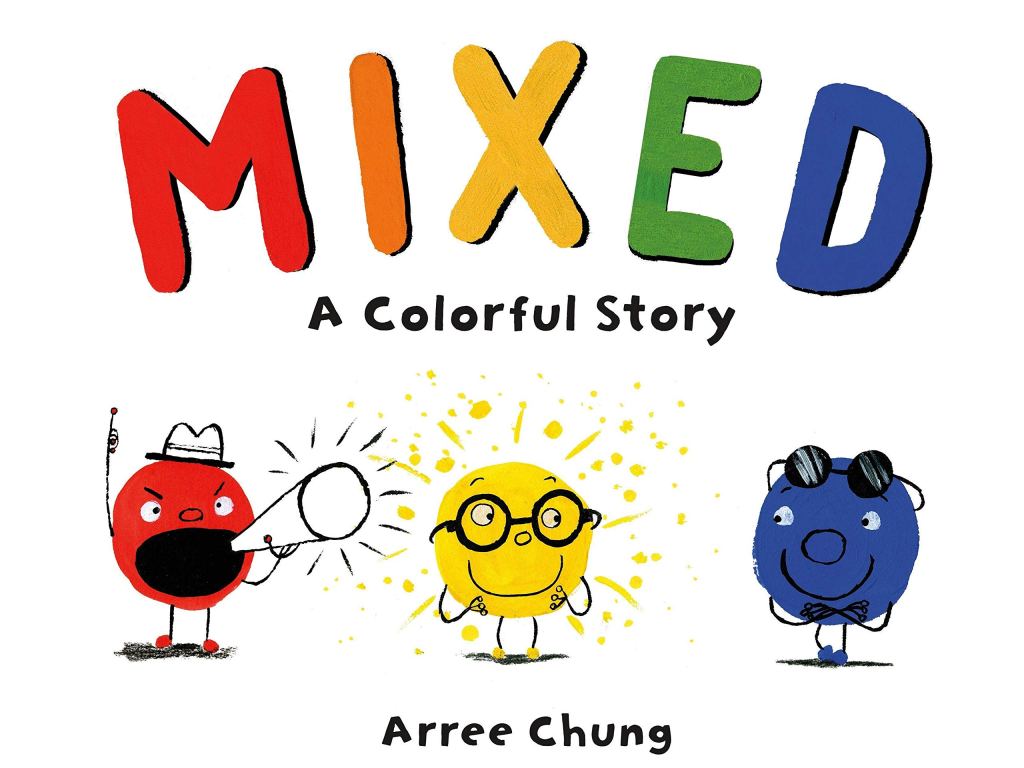
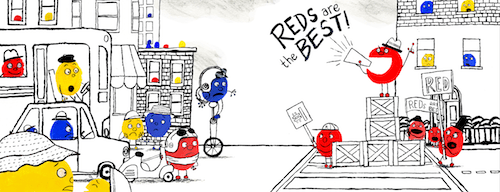
The second week we read Mixed: A Colorful Story by Arree Chung. As with The Dot, this is a book with multiple layers of meaning, and we did have some great discussions about it. A link to my week 1 & 2 Dot Day lessons are here.
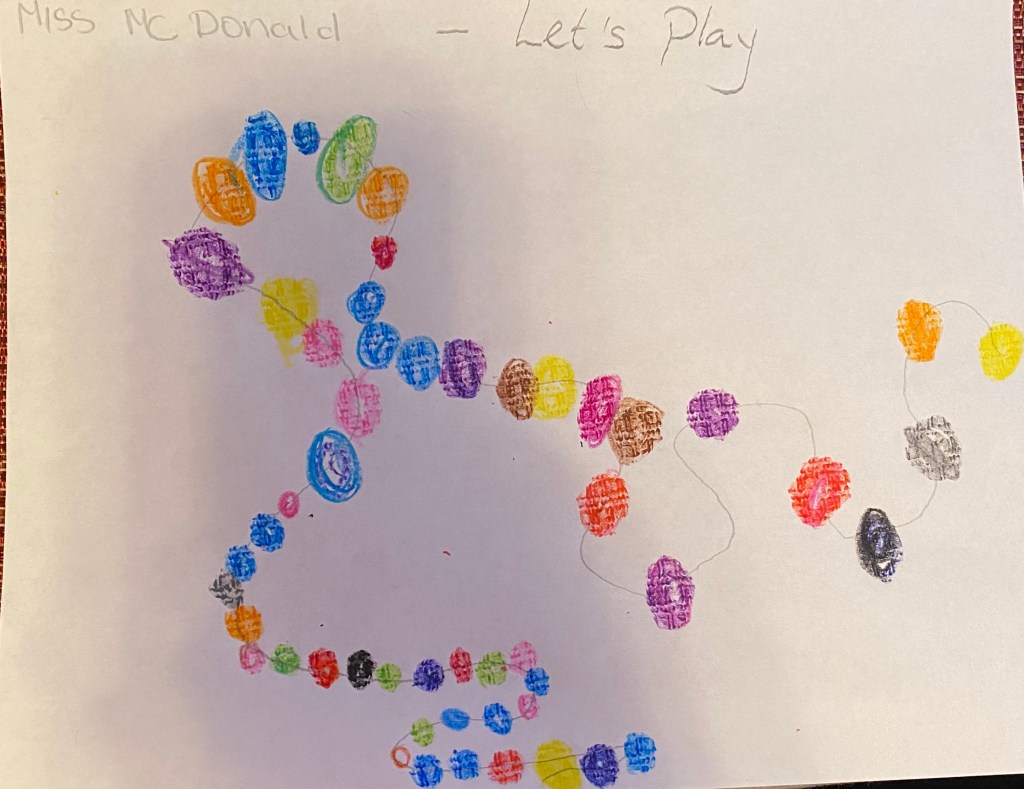
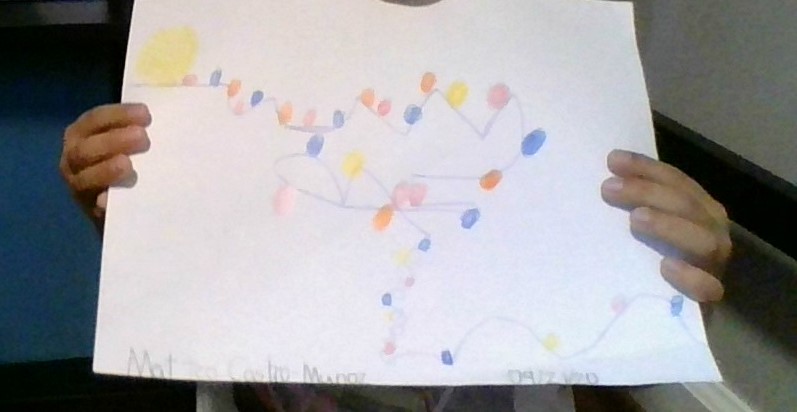
The second week, with my youngest students, we read Hervé Tullet’s Press Here and Let’s Play! and I attempted to get the kids up and moving with their hands and bodies. This works so much better in person, when I give them a primary color dot to hold on to, and ask them to move it – but we did our best on Zoom. The kids then drew pictures of how they would play with their yellow dot – a few playful examples are below!
Our annual Dot Day celebration and the art that my Dot Day Dreamers create is always so wonderful to see!
In these days of COVID-19 and wanting to help my students find comfort in hearing (and seeing) their school librarian read to them, I created The Creative Librarian YouTube channel [note: these are now unlisted]and have been regularly posting videos on it. I know many educators and administrators around the United States are doing the same thing, and it is so heartwarming to see how this is helping bring our communities together (virtually). I have also been overjoyed to see how many authors and illustrators are creating blog posts, videos, and additional activities for their readers.
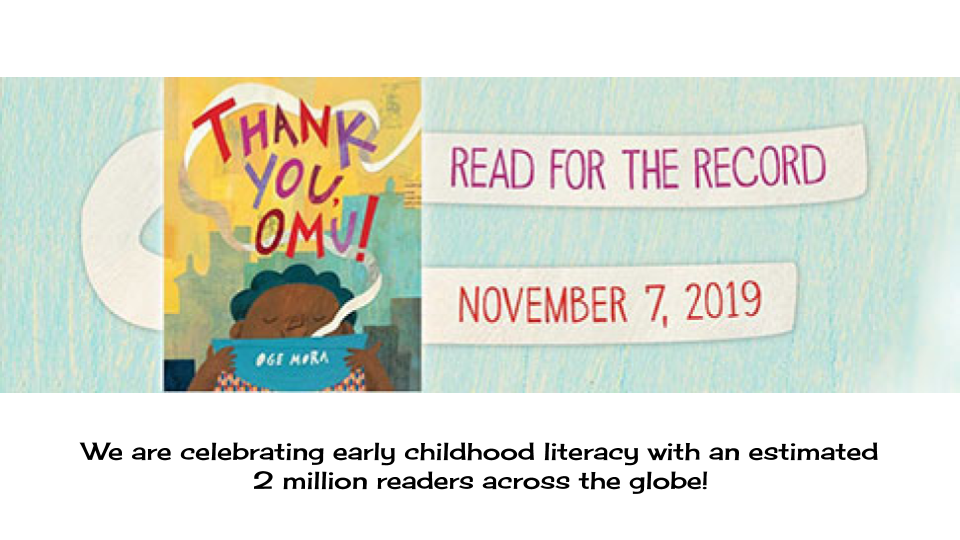
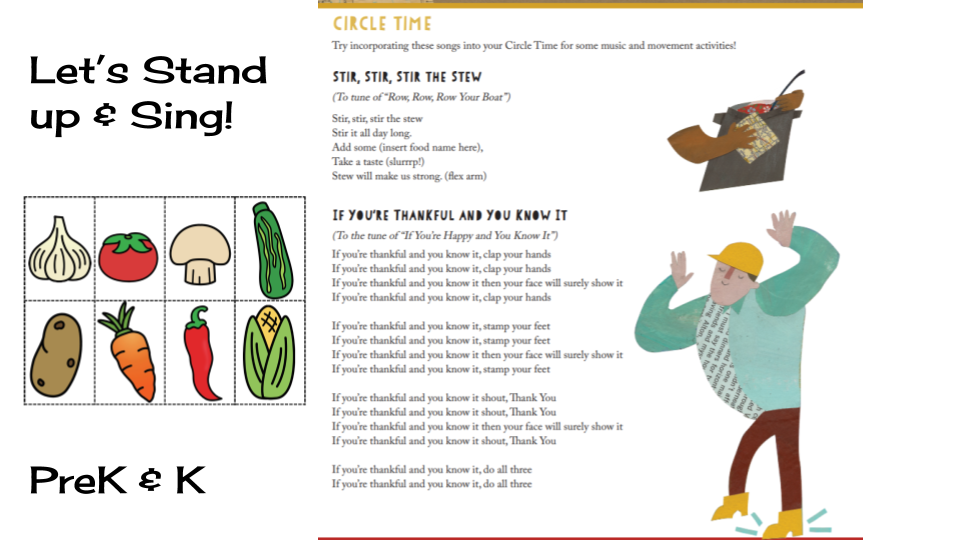
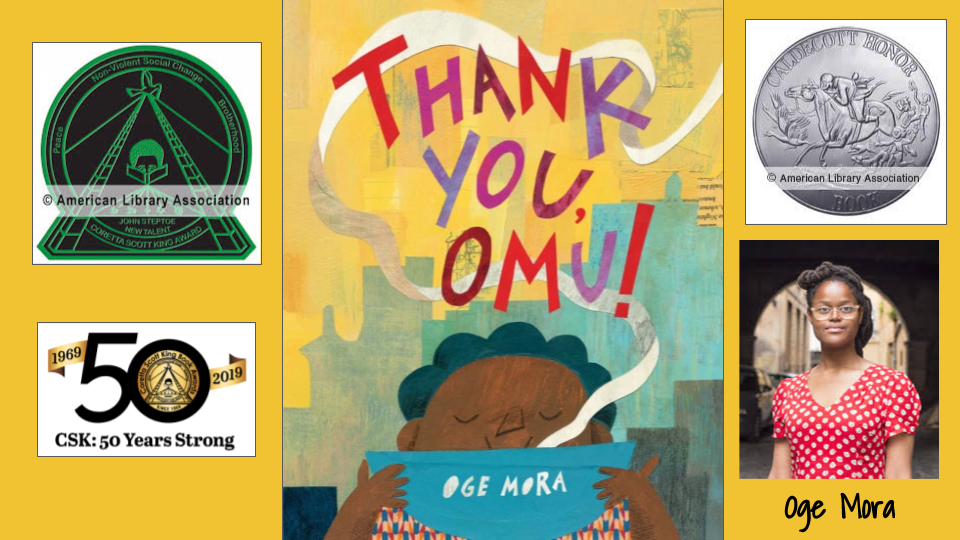
Anyone who knows me knows that I like to include music and movement in my lessons – especially for my primary grades. This year’s JumpStart Read for the Record picture book selection, Thank you, Omu! written and illustrated by Oge Mora had a wonderful music and movement circle time activity for my prekindergarten and kindergarten students.
I printed and laminated enough of the veggies for a whole class, and brought in a plastic pot and spoon for them to drop the veggies in as we sang and I stirred (and they pantomimed) Stir, Stir, Stir the Stew. Singing and moving to If You’re Thankful and You Know It brought out lots of smiles and laughter among the kids (and adults) in the library.
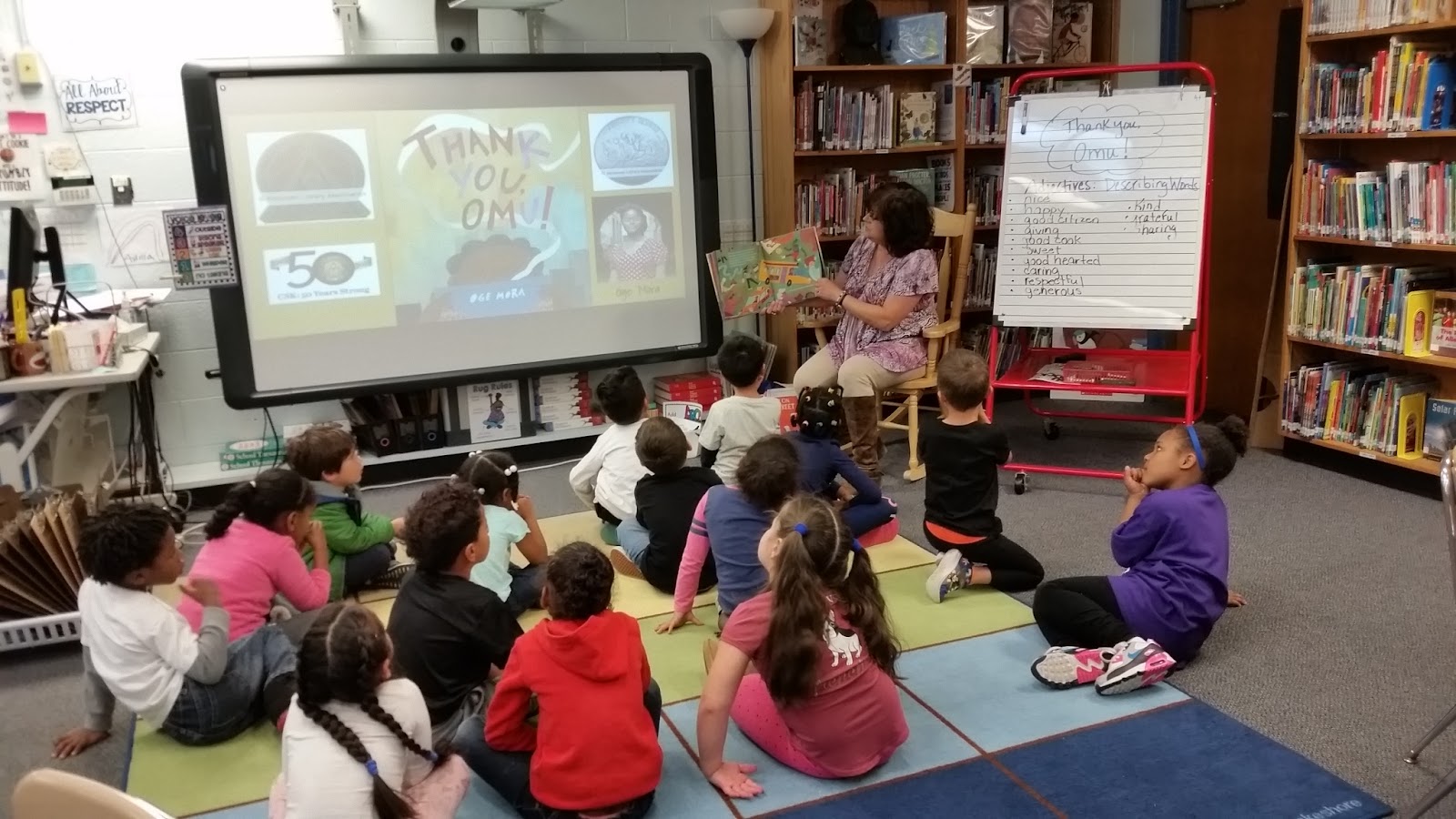
My first graders explored adjectives that described Omu, drew a picture of her, and wrote a sentence using lots of adjectives. With my second graders, they also explored adjectives to describe her stew, and wrote a sentence about it in addition to drawing and writing about Omu.
As I always do when there is one, I shared the author’s note, as well as a few (there are many!) of the awards the author has received because of her beautiful work.
I was first introduced to this book when Matthew Winner interviewed Oge Mora on his Children’s Book Podcast in 2018. This debut picture book was written in homage to Oge’s grandmother’s generous spirit (and her tasty stew). The beautiful illustrations help the reader to see how the scent of Omu’s thick, red stew pulls her neighbors together as a community. Omu’s giving spirit is returned to her in a special way at the end of the story.
I sent home a copy of the Thank You, Omu! Activity Guide for Families, in both English and Spanish and encouraged my students to ask their families to cook a big pot of their favorite family recipe and share it with their neighbors. I hope they did!
The 10th Gaithersburg Book Festival is right around the corner, and I am excited to share the third in my trilogy of interviews with GBF featured children’s authors. Paul Noth will be a featured author paired with Jonathan Roth for both their book presentations, and a children’s workshop entitled Creating Characters with Character, where Noth and Roth will help elementary age kids come up with characters that are fun, interesting and have meaning to the creator. They will brainstorm ideas, draw figures, come up with meaningful motivations and, of course, cool character names.
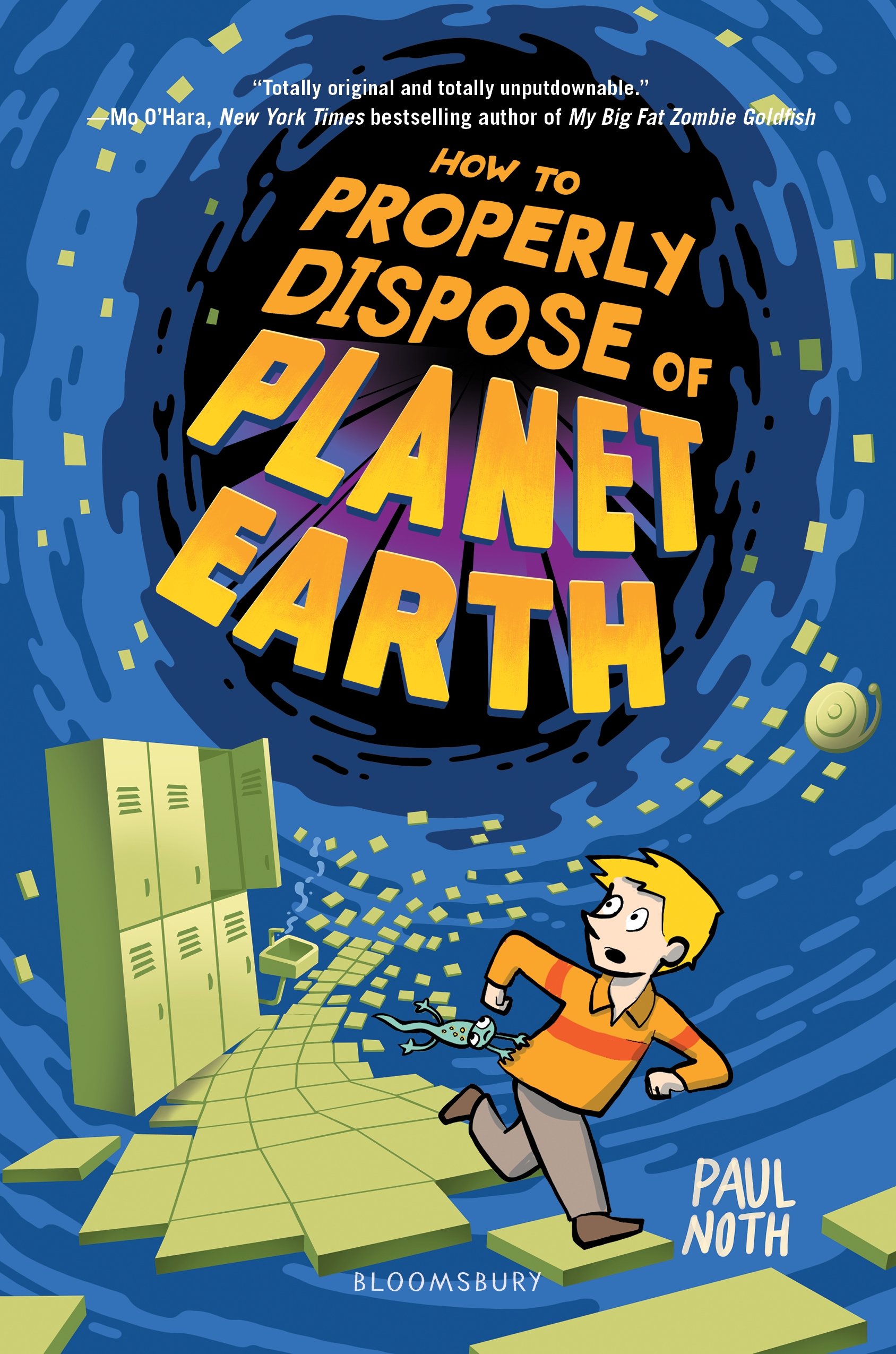
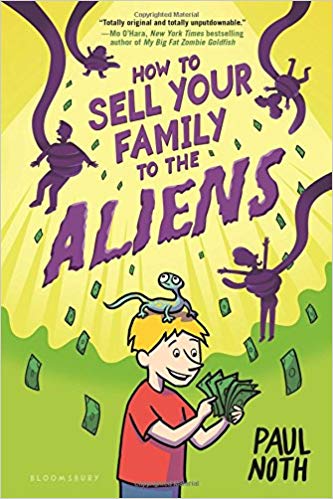
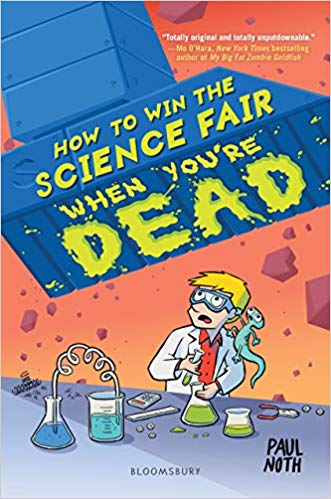
Paul Noth, known for his witty cartoons regularly appear in the New Yorker and the Wall Street Journal, has also written for Late Night with Conan O’Brien and The Late Late Show, among other television shows. He hasn’t been known as a KidLit author till of late. He is the author of How to Sell Your Family to the Aliens (April 2018) described by School Library Journal as “Strange and original with just the right amount of juvenile humor, this story features odd and endearing characters and a wonderfully weird plot.” At the Gaithersburg Book Festival he will be speaking about How to Properly Dispose of Planet Earth (January 2019), which Kirkus Reviews states that it is … “a story where everyone deserves to be the main character.” Coming in September 2019 is How to Win the Science Fair When You’re Dead which promises to be another “laugh-out-loud” funny book for middle grade readers.
How did your journey take you from The New Yorker, Wall Street Journal, and evening talk shows, to children’s books?
I’ve always wanted to write both picture books and children’s novels. Once my work started appearing regularly in the New Yorker, several agents reached out to me asking if I had ideas for kids’ books, so that provided the opportunity.
What is one (or more) thing(s) that you really want your readers to know about you?
Sometimes I think the less they know about me the better. I like my books and cartoons to speak for themselves. But if they have to know something, it’s that I have two dogs, Watson and Biscuit.
Who is the student you are writing for? Describe him/her.
He or she treasures funny books and cartoons as much as I do.
What are you most looking forward about the Gaithersburg Book Festival (can be more than one thing ;-D )
I’m really looking forward to collaborating with Jonathan Roth again. He and I hit it off last time. We work well together.
When you tell other authors and illustrators about GBF, what do you say?
I say it’s a great festival and well worth the trip.
What message do you have for your readers?
Thank you for reading my books! I know the second one, How to Properly Dispose of Planet Earth ends with a bit of a cliffhanger, but book 3, How to Win the Science Fair When You’re Dead is out in September!
What message to you have for educators, and especially for school librarians?
The 10th Gaithersburg
Book Festival is right around the corner, and I am excited to share the second
in my series of interviews with GBF children’s authors! Susan Stockdale is a
local author / illustrator and a true gem – her books are fantastic, fabulous, and
just plain awesome.
Susan will be leading a children’s workshop
entitled Let’s Create Fabulous Fishes!
(10:15 – 11:00 am in the Children’s Workshop Tent). She will read her picture book, Fabulous
Fishes, then guide children in exploring different fish shapes, colors and
patterns to create their own fish using oil pastels on black paper. Then the young
artists will complete their art piece by adding a title to their artwork.
I
caught up with Susan in April and want to share our conversation about her research
and artistic process.
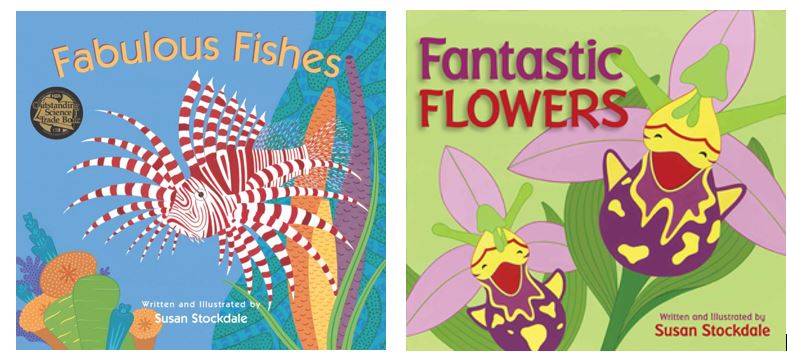
Your picture books – especially Fantastic
Flowers and Fabulous Fishes – have a definite joyful
feeling to them – what inspires you to create your books?
I want to excite young children about our
amazing natural world, which is always my muse. As a former textile designer, I
delight in finding patterns in everything I paint, and nature presents a
treasure trove of them.
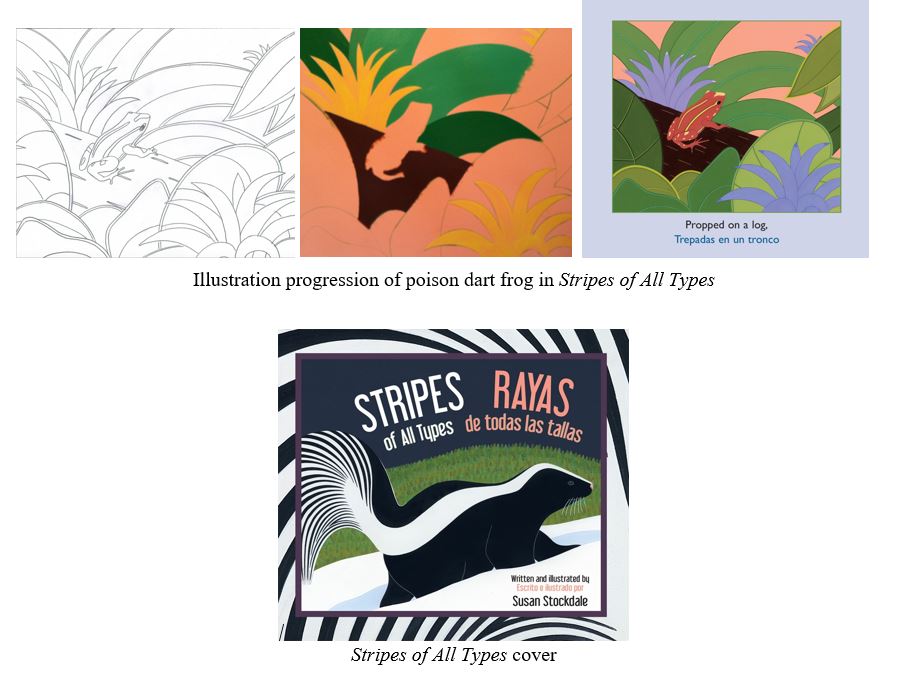
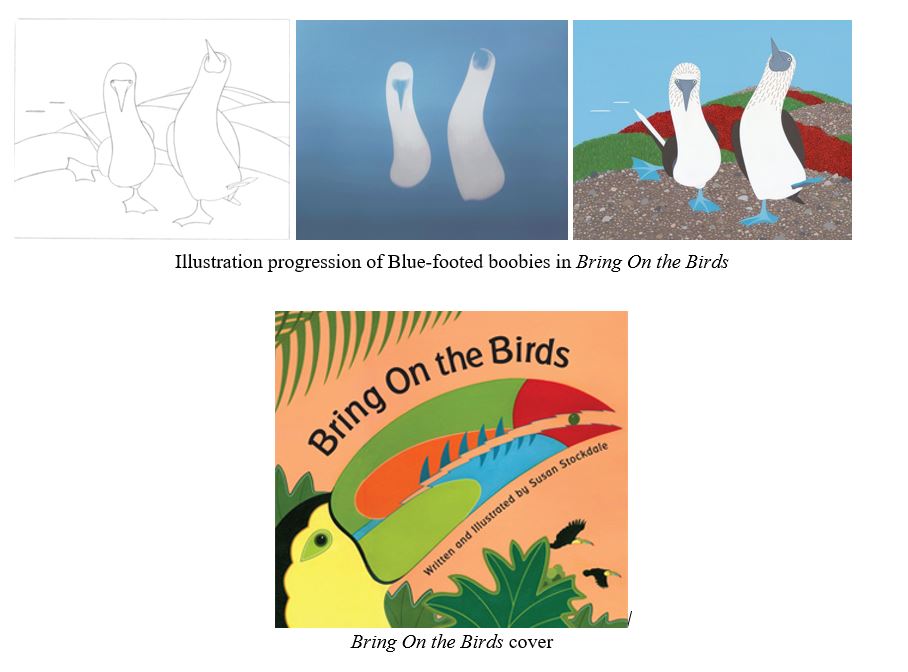
Can you tell me about your art? Your books indicate that the art medium is acrylic on paper. What is your creative process? How large are your paintings for your picture books? Do you create art using other mediums?
I gather reference photos of my subjects, create
many pencil drawings of them and select those I like best for my final
illustrations. I
submit my drawings to scientists for their feedback to ensure they are factually accurate and revise as necessary. I then trace each drawing onto Bristol paper. For each
color, I apply many layers of acrylic paint to give the image a flat, crisp appearance.
I work solely in acrylic, my favorite medium, and my paintings are the same size
featured in my books.
As a school library media
specialist, I teach my students the importance of using multiple reliable
sources for research, and citing sources. I love that each of your books
include a thanks to specific experts that helped with your research, a visual
glossary, and a bibliography at the end. Some include an interactive
activity. Can you tell me about your research process?
I research my subjects in magazines, books and reputable
online resources; consult closely with scientists; visit natural history
museums, zoos and other venues; and, when possible, view my subjects in their
natural habitats. My most exotic research trips have been to Africa and the
Galapagos Islands. Once I’ve gathered sufficient information on my subjects, I
begin writing my manuscript. The poem always comes first, followed by the
addendum.
Some of my research resources for Stripes of All Types: (l-r) books; websites; a trip to Costa Rica;
visits to museum exhibitions; consultant Dr. Kris Helgen, former head of the
Mammal Division at the National Museum of Natural History
Your picture books are wonderful examples of nonfiction genre of animals,
and of poetry. Why did you decide to write your books in a lyrical,
rhythmic, and rhyming form?
I didn’t make a conscious decision to write in
rhyme when I began creating children’s books. This form just came naturally to
me. I’m sure it’s because my mother, a published poet, rhymed words together
all the time when I was little. This had a wonderful influence on me. I love
how rhythmic rhyme engages children in a fun and musical way. Children learn to anticipate the rhyming word and make
predictions, so rhymes help them learn to read.
What
message do you have to students about the importance of research?
Research is essential to conveying accurate facts. I
particularly enjoy the surprising information I uncover while researching, such
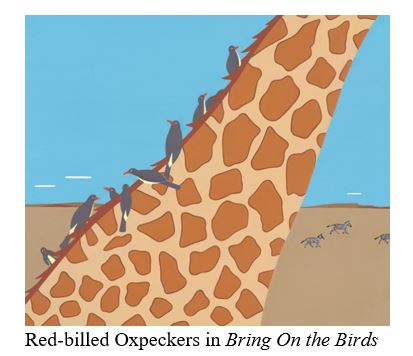
as how Red-billed Oxpeckers “hiss when started, alerting their hosts to
possible danger.” I included that fact in my Bring On the Birds addendum.
What
is a message from you that I can share with my educator colleagues?
Encourage students to read more nonfiction. It sparks their
curiosity and opens their minds to the world. It helps them develop background
knowledge they need to be academically successful. Also, studies show that
reading more nonfiction early on
helps children reach the appropriate reading levels in later grades.
What is a message from you that I
can share with my students?
When
I present at schools, children often tell me that “when I grow up, I want to write
and illustrate books.” My response? You don’t have to grow up to do this! You
can create your own books now. All you need is a few pieces of paper folded in
half, a pencil, and an idea. Have fun!
To learn more about Susan and her books, please visit her website here.
Let’s Create Fabulous Fishes!
TIME: 10:15 am – 11:00 am
LOCATION: Children’s Workshops Tent
AUDIENCE: Elementary School
students
Gaithersburg
Book Festival will be held on May 18, 2019, 10 am – 6 pm on the grounds of
Gaithersburg City Hall. Visit the website here!
The 10th Gaithersburg Book Festival is
right around the corner, and I am excited to share the first in my series of
interviews with GBF featured children’s authors! Jonathan Roth will be a featured author paired
with Paul Noth for both their book presentations, and a children’s workshop
entitled Creating Characters with
Character, where Roth and Noth
will help elementary age kids come up with characters that are fun, interesting
and have meaning to the creator. They will brainstorm ideas, draw figures, come
up with meaningful motivations and, of course, cool character names.
Roth is the author and illustrator of the Beep and Bob chapter book series. Currently, there are four in the series: Too Much Space!, Party Crashers,Take Us to Your Sugar, and Double Trouble(he also has the Astro Adventuresboxed set). In this fun-loving chapter book series that School Library Journal said is for “kids who love funny stories but may be too young for books like Diary of a Wimpy Kid,” timid space-school attendee Bob and his new alien best friend Beep (who thinks Bob is his mother) find themselves thrown into hilarious intergalactic adventures.
Roth is also an art teacher with Montgomery County
Public Schools, and I caught up with him during spring break.
Who is the student you are writing for?
I’m writing for the newly independent reader who I’m hoping will
fall in love with books and reading. The stakes are high, because today’s kids
have so much flashy lights competing for their attention. But good characters
and stories can get right to the heart like nothing else, and I’m particularly
aiming for students who like humor, adventure, friendship stories and space.
How do you balance being a teacher and an
author/illustrator? How much time are you able to spend daily or
weekly on your own writing and art projects?
Teaching is very rewarding but…exhausting. I mostly write on
weekends and breaks. I’m more apt to do illustration work in the evenings after
school, or tasks relating to the business end of things. I definitely get a lot
done in the summer!
What are you most looking forward to about the Gaithersburg Book Festival (can be more than one thing 😊 )?
I always discover great books and authors at the event! The line up for children’s and teen books is really first rate, and I’m honored to be on the roster for the second time. I’m also looking forward to it not raining this year! (Hope I didn’t just jinx it…) We also hope you didn’t!
When you tell other authors and illustrators about GBF, what do
you say?
I’ve been attending since year one, and I tell them how lucky I
am to have one of the best general book festivals in the country almost in my
backyard! If they haven’t yet, I hope they can experience it one day, either as
attendee or speaker.
What message do you have for your readers?
Thank you for reading, Beep, Bob and I really appreciate it! If
you liked book one, be sure to read all four! And if you didn’t like book one,
read all four anyway, because they’re bound to get better. Also, I love when
you send me questions, thoughts or cool character drawings.
What message to you have for our follow educator colleagues, and
especially for school librarians?
Thank you for all you do! I may be biased, but I believe teaching kids to be good readers and getting good books in their hands is one of society’s most important missions. These kids are the future and it’s in all our best interest for them to be well read, creative and critical thinkers. Or, to sum up more succinctly: teachers and librarians rock!
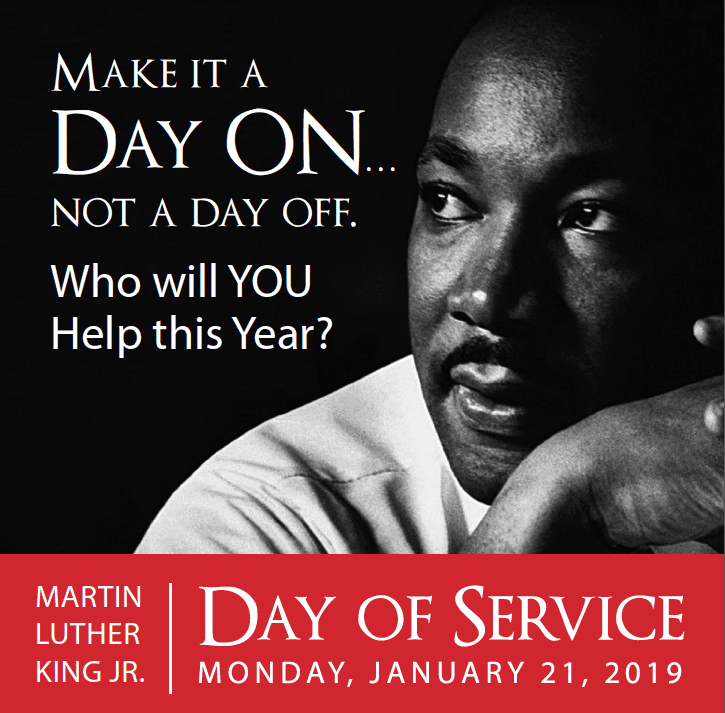
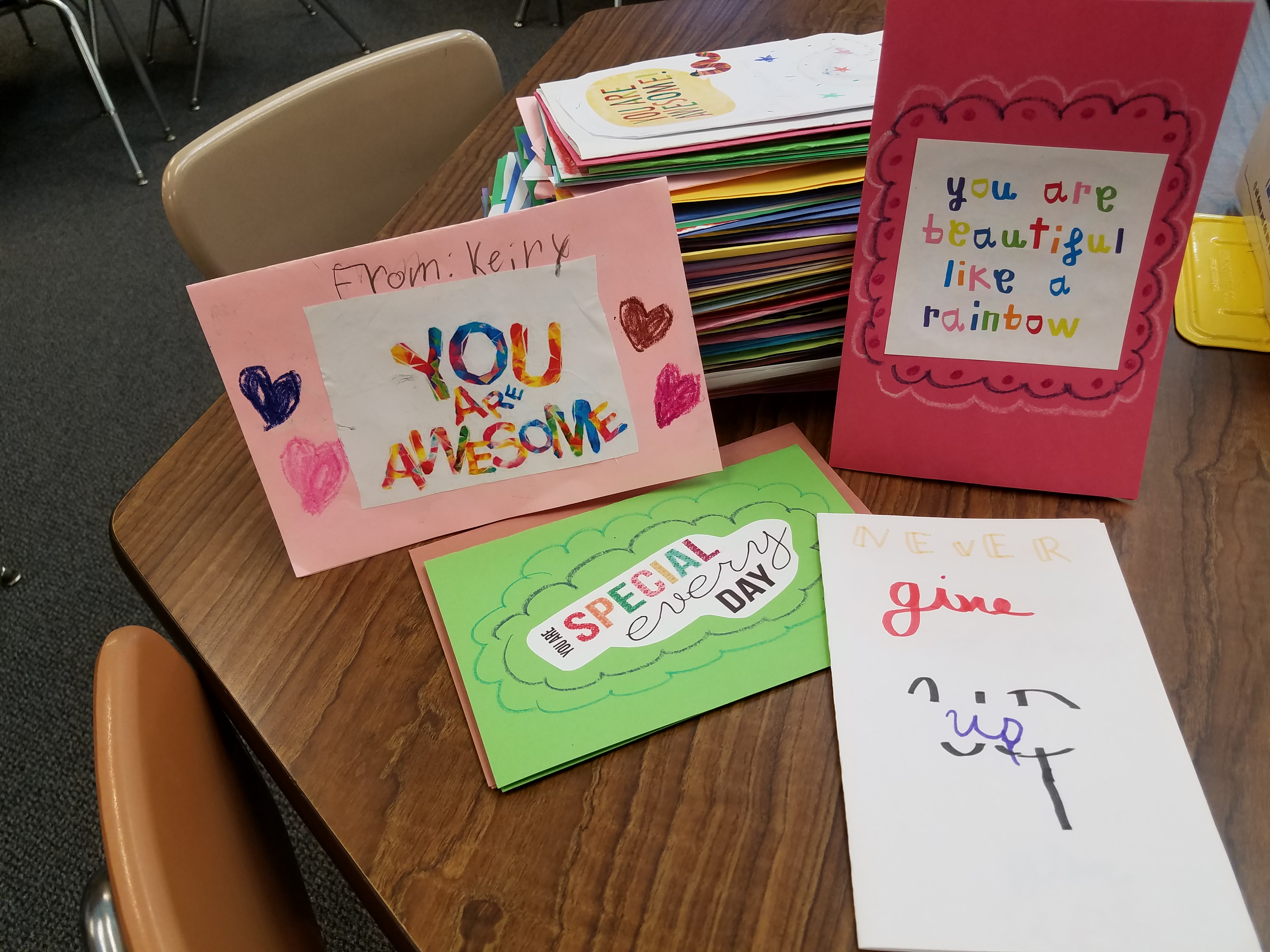
Dr. Martin Luther King, Jr.’s National Day of Service is the perfect time to discuss with my students the importance of helping others. After discussing with my students what Dr. King meant by “Life’s most persistent and urgent question is, ‘What are you doing for others”, we got busy helping others. At my school, I not only encourage my students to ask their parents to help them participate in our county’s many MLK Day of Service events, but I bring a service project to our school. One year we created poster sized thank you notes for our local firefighters, and I delivered the four posters to the Gaithersburg-Washington Grove Volunteer Fire Department station (where they were thrilled to receive them!), another year we made thank you cards for soldiers at Walter Reed VA Hospital and I delivered them to the Wounded Warriors Project in Germantown. This year we made over 200 cards for the organizationCards for Hospitalized Kids. I told the kids that they were making cards for kids just like them, and to create a card that they would like to receive if they were the ones in the hospital. Many of my students went above and beyond to create meaningful, and absolutely beautiful cards, and I share a few of them below:
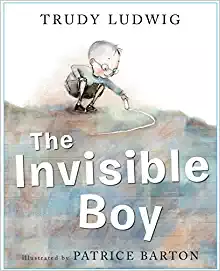
Invisible Boy by author Trudy Ludwig and illustrator Patrice Barton is a gentle story shows how small acts of kindness can help children feel included and allow them to flourish.
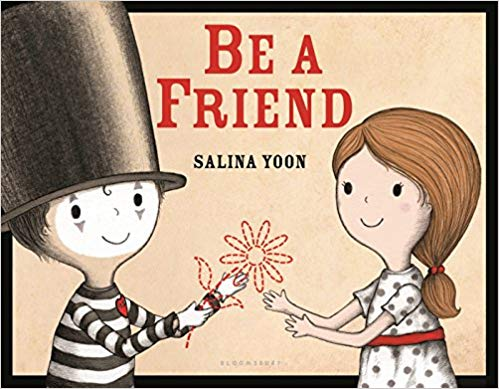
Be a Friend by written and Illustrated by Salina Yoon, is a heartwarming story of self-acceptance, courage, and unbreakable friendship for anyone who has ever felt “different.” There is also a wonderful song written by Emily Arrow that is a fun addition to the lesson!
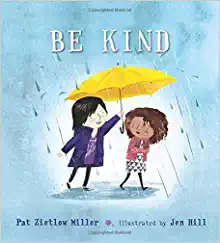
Kind by Pat Zietlow Miller, and illustrated by Jen Hill is an unforgettable story about how two simple words can change the world.
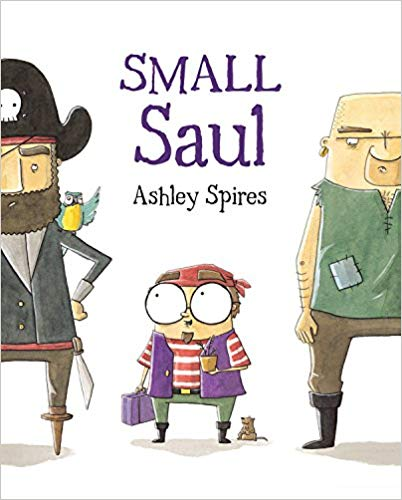
Small Saulwritten and illustrated by Ashley Spires, is a high-seas adventure and a light-hearted celebration of individuality, perseverance and being true to one’s self.
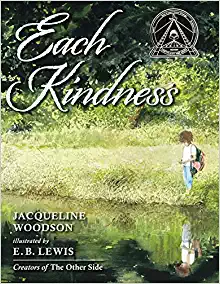
Each Kindnesswritten by Jacqueline Woodson and illustrated by E. B Lewis, is the unforgettable story of bullying, and regret for lost opportunities to show kindness.
The first week of February is National School Counseling Week, and to celebrate, I read books about kindness to others, and then we showed kindness to our school counselor, Debbie Miller, by writing her thank you notes. Students in prekindergarten drew a picture using this thank you note template I created; kindergarten through grade 2 students used a template I found on Teachers Pay Teachers (which I bound into a book each day) and students in grades 3-5 created their own cards. I asked my students to reflect on lessons Counselor Miller had taught the in their classrooms, issues she may have helped them with, or just say thank you for caring about us. My students have great big hearts, and wrote some of the most beautiful letters and cards to her – the reaction I received each day from Debbie was priceless!
Future Ready Librarians are brave before perfect, and I bravely lead my students into a variety of learning experiences, hoping to find the perfect way to engage them.
We celebrated Computer Science Education Week (12/3-12/7/18) again this year by participating in the Hour of Code. My primary grade students were introduced to the world of computer coding through various online and “unplugged” games that take them step-by-step through the process.
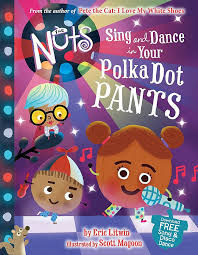
My kindergarten students and I got a little “loopy”
by first readingSing and Dance in My Polka Dot Pants
by Erik Litwin, danced to the accompanying video, and then students took turns
leading their classmates using the Code Your Own Dance Party lesson plan resources
that I modified on Code.org. If you
would like to see my lesson, please
click here (feel free to make a copy of it for your own use).
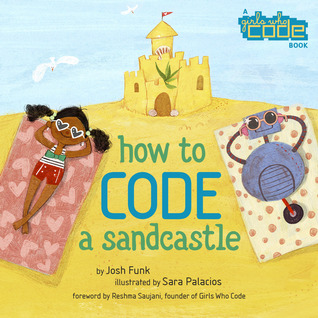
Persistence is the name of the game when it comes to building a strong foundation. After watching the Code.org video that compared building a foundation to building a sandcastle (link here), we moved to the tables for hands-on learning. My 4th grade library helpers were so supportive of the 1st graders as they explored the concept of foundations by attempting to build a tower with toothpicks and gumdrops that would support a picture book. If you would like to see my lesson, please click here(feel free to make a copy of it for your own use). A book that works alongside this lesson is How to Code a Sandcastle by Josh Funk.
Students in grades 2 to grade 5 classes
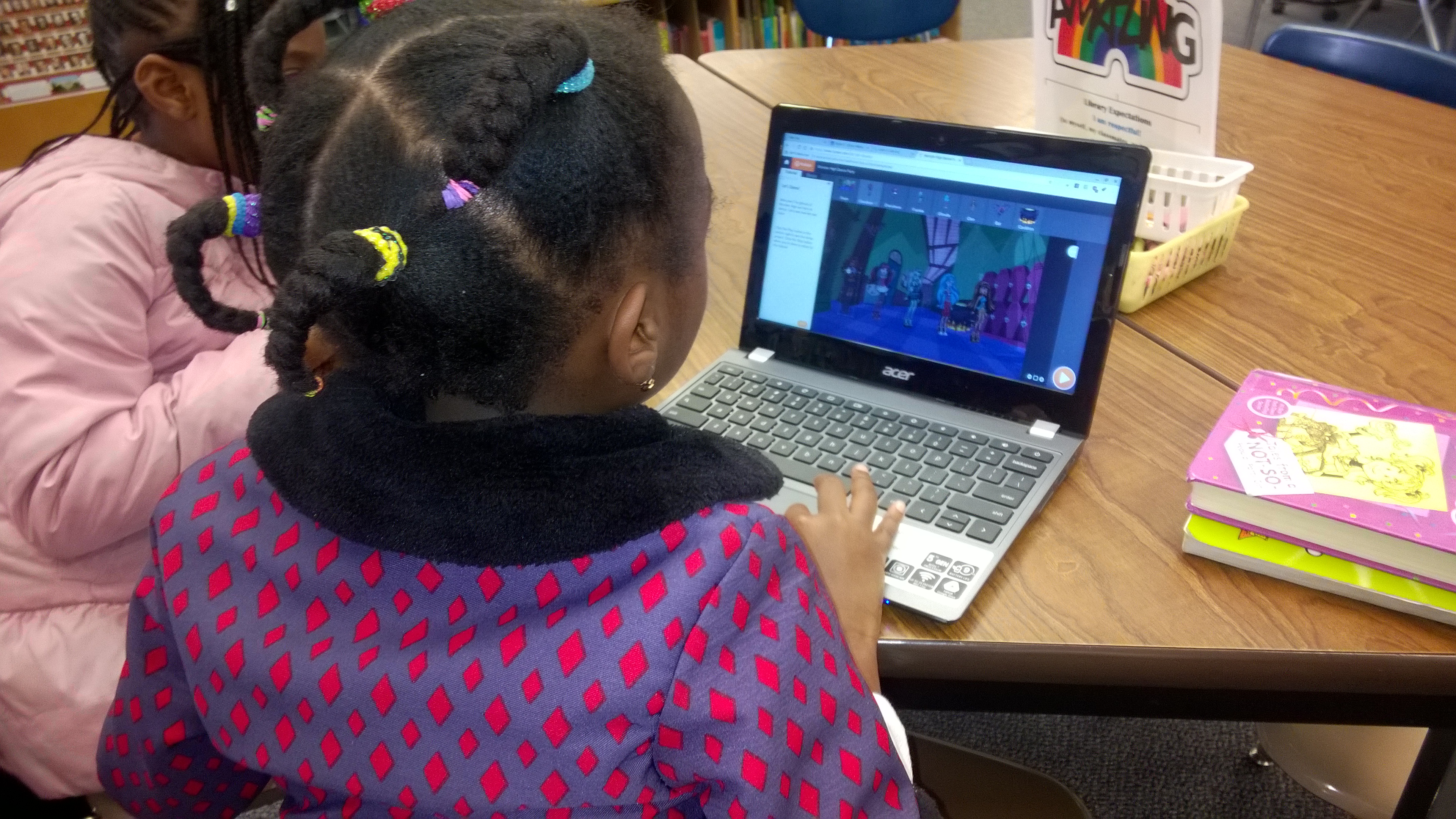
brought their Chromebooks to media class so I linked the code.org/learn website
in their Google Classrooms and allowed them to self-select a game or games for
their grade levels. I encourage my
students to read and try (and fail) and try again – and to ask their table
mates to help them. Students helping
students is a great way for them to learn and grow.
With each class that participated in Hour of Code, I sent home information about Hour of Code and why computer science is so important to the success of our students, and our global society. I included the Hour of Code website ishttps://code.org/learn and I encouraged all to continue with their learning with Beyond Hour of Code here: https://hourofcode.com/us/beyond.
I have an active makerspace in my library, and
created a Coding Club using Google Classroom.
In it, I share resources provided by Code.Org (and a few other
organizations, too).
I have been involved with Code.org since I discovered the organization several years back, and have benefitted from two full-day workshops. You will not only have the opportunity to network with some amazing teachers, you will go home with a wonderful book and lots of hands-on resources to use in your lessons. I highly recommend their workshops – take a look at theirprofessional learning opportunities here … ”Anybody can learn. Start today.”
The Creative Librarian: Adventures in School Librarianship contains
affiliate links – please click here for information.
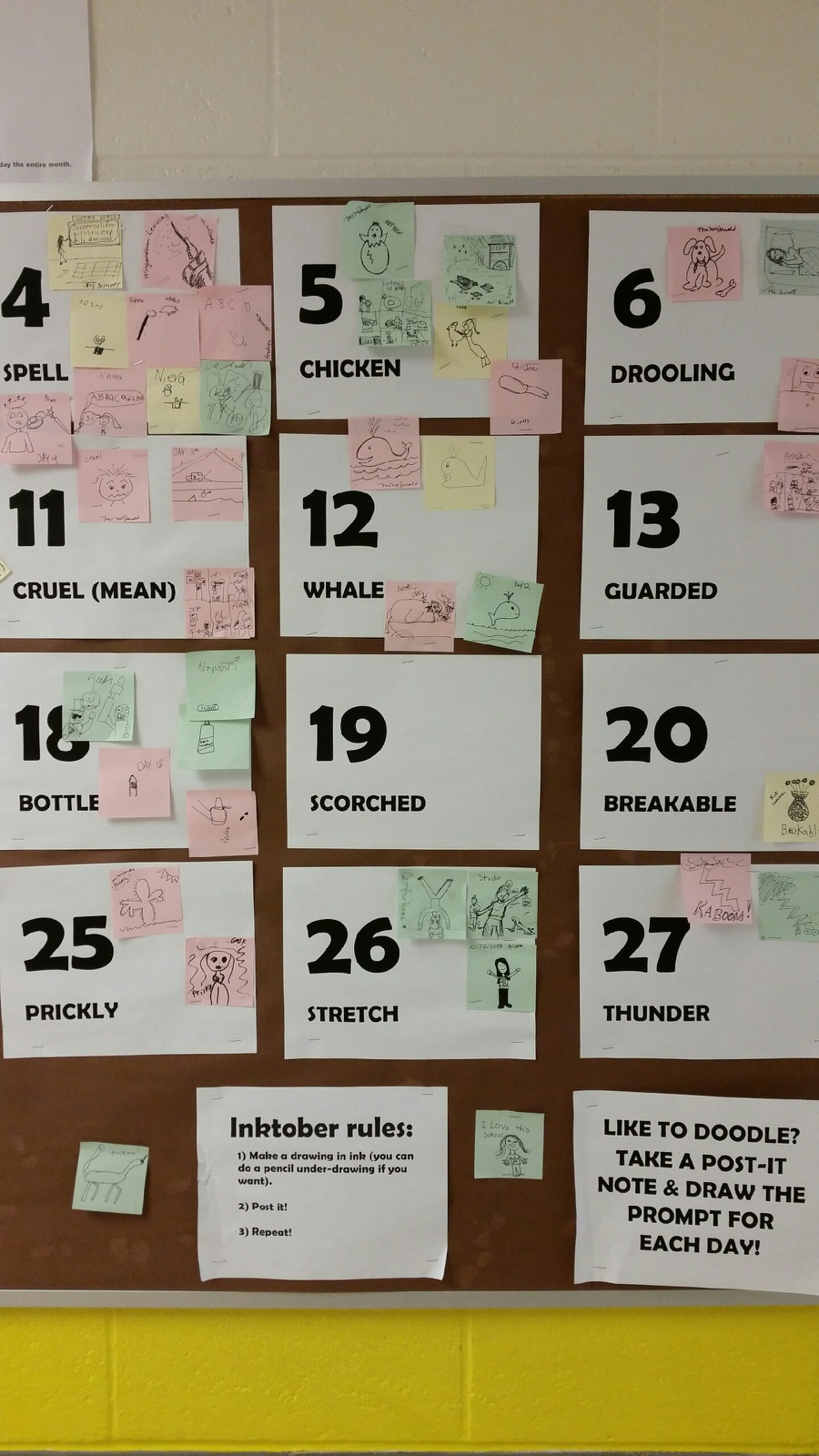
A few years back I heard about Inktober from my colleague Matthew Winner, and decided to participating in the event this year with my students as part of my STEAM Makerspace.
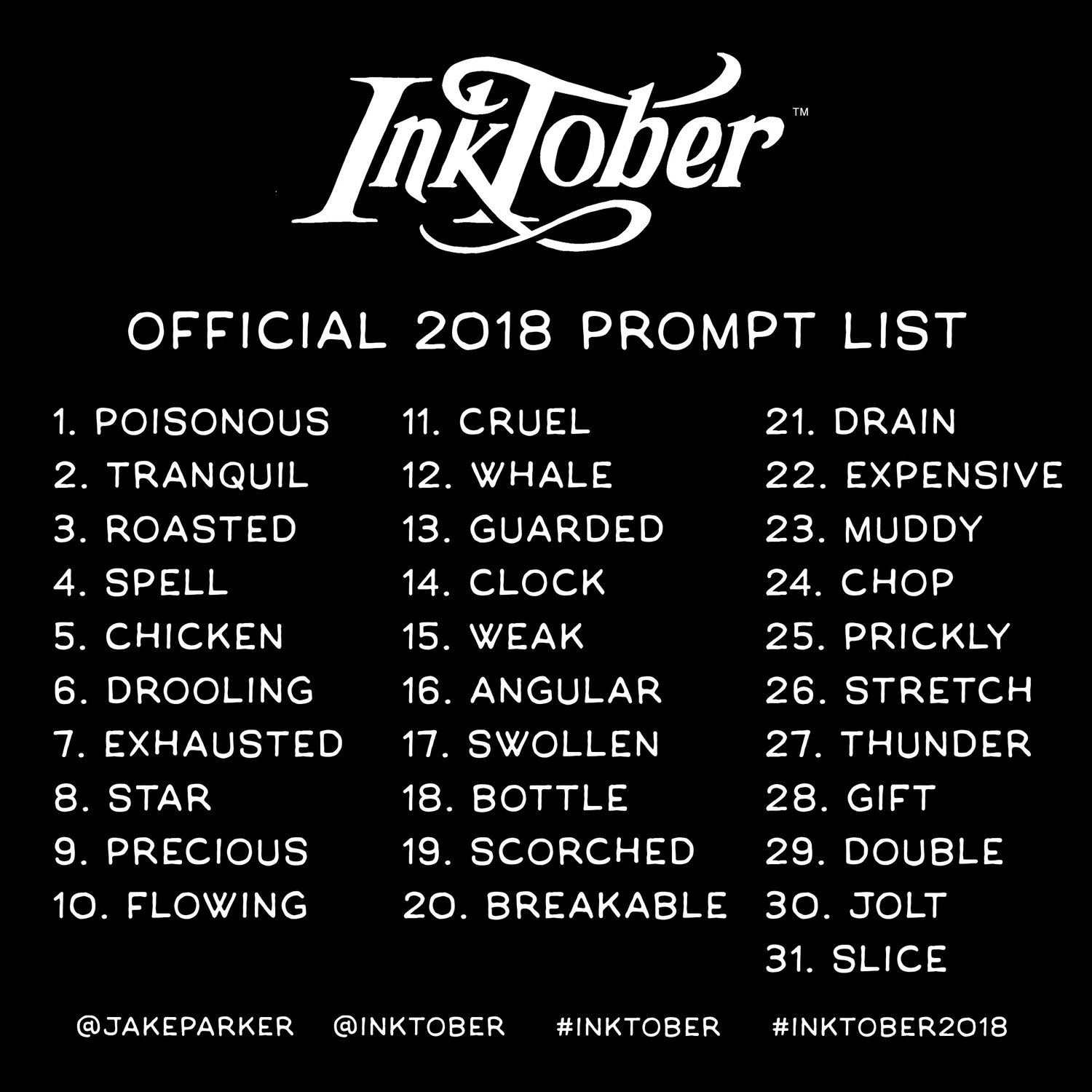
From the Inktober website, “What is Inktober? It’s an art challenge started by Jake Parker, one of the founders of SVSLearn. Every year, artists all over the world take on the challenge of making an ink drawing every day for the entire month of October. That’s 31 drawings in 31 days! The goal is to improve your drawing skills and develop positive drawing habits.”
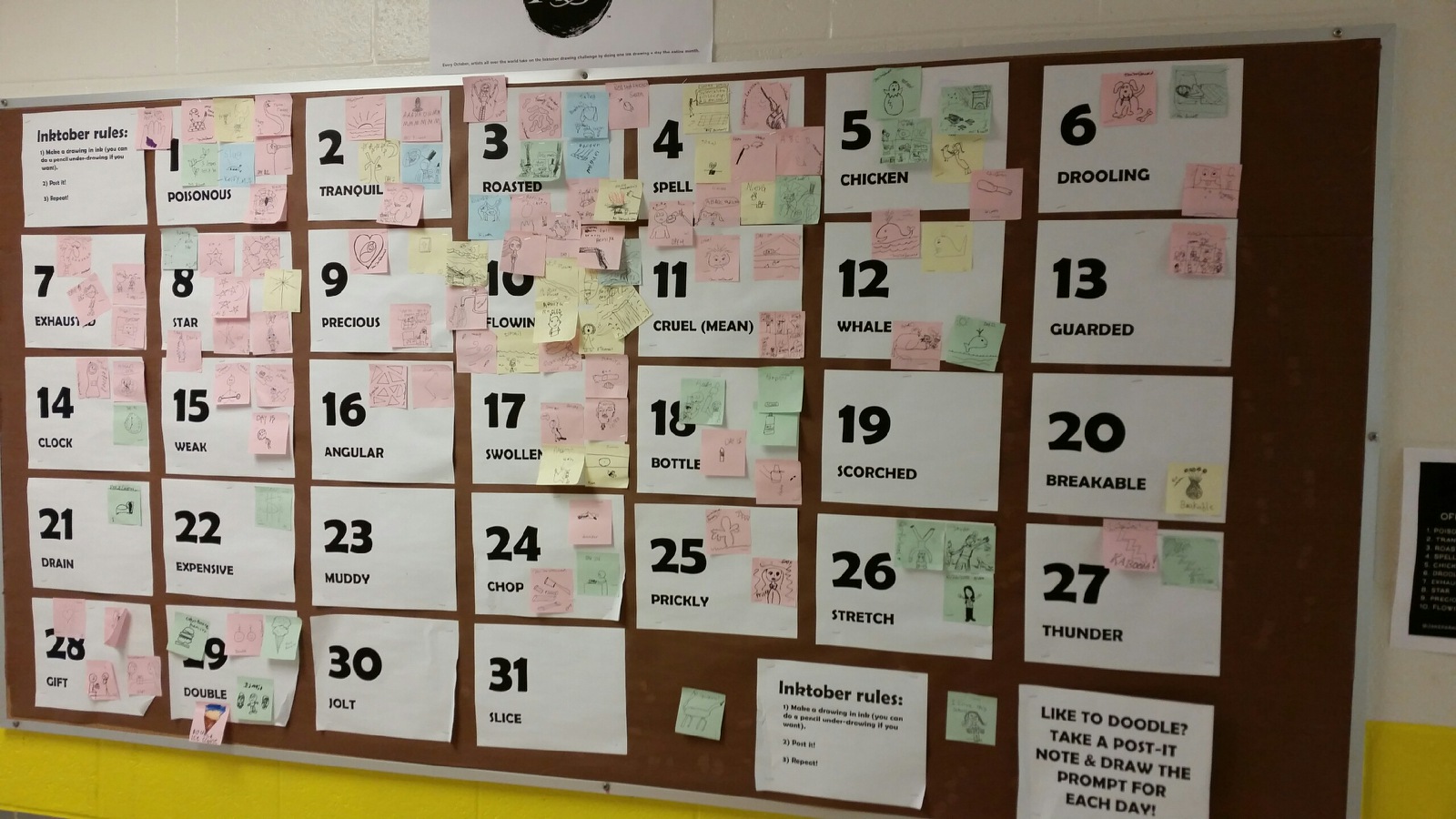
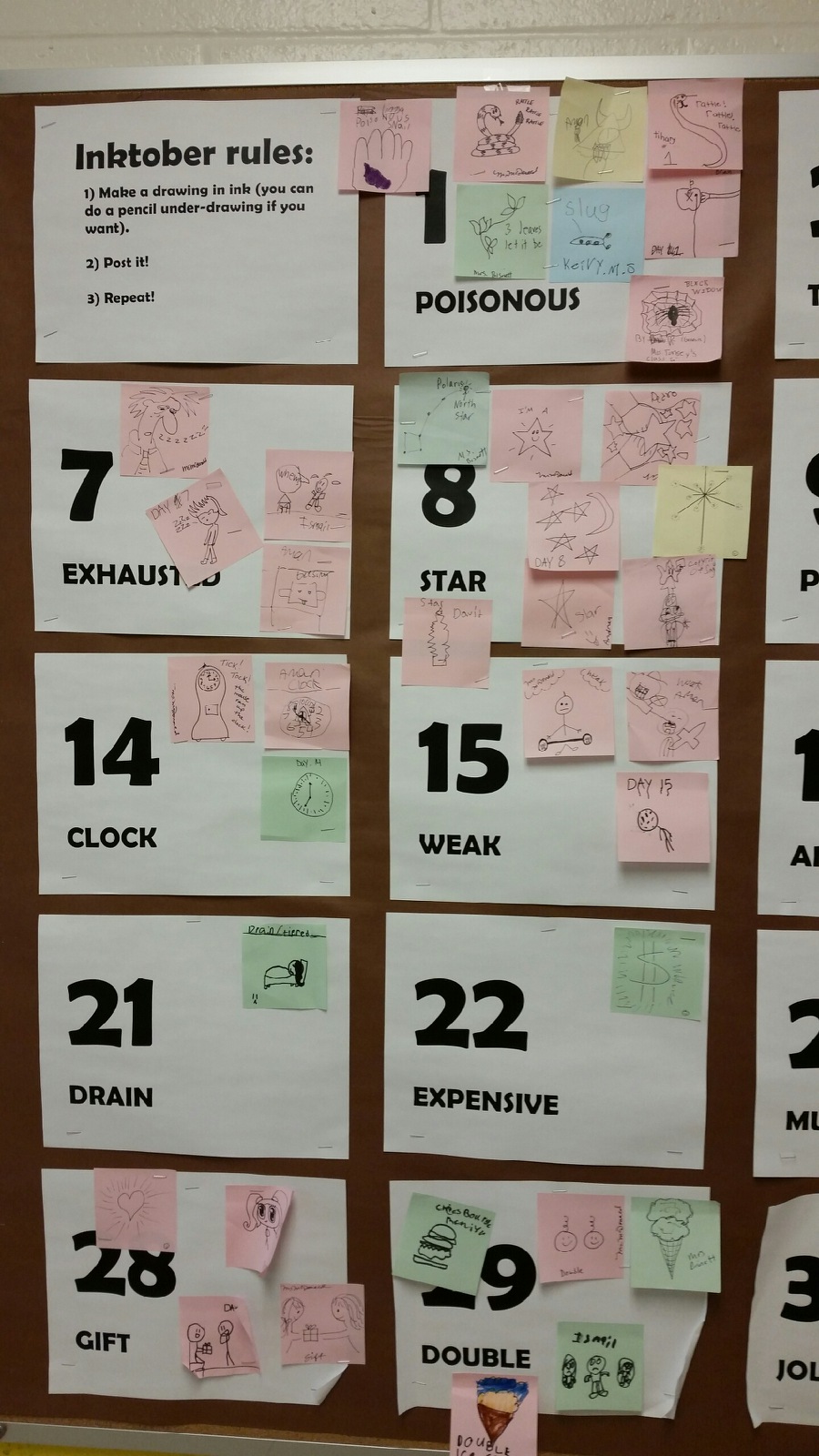
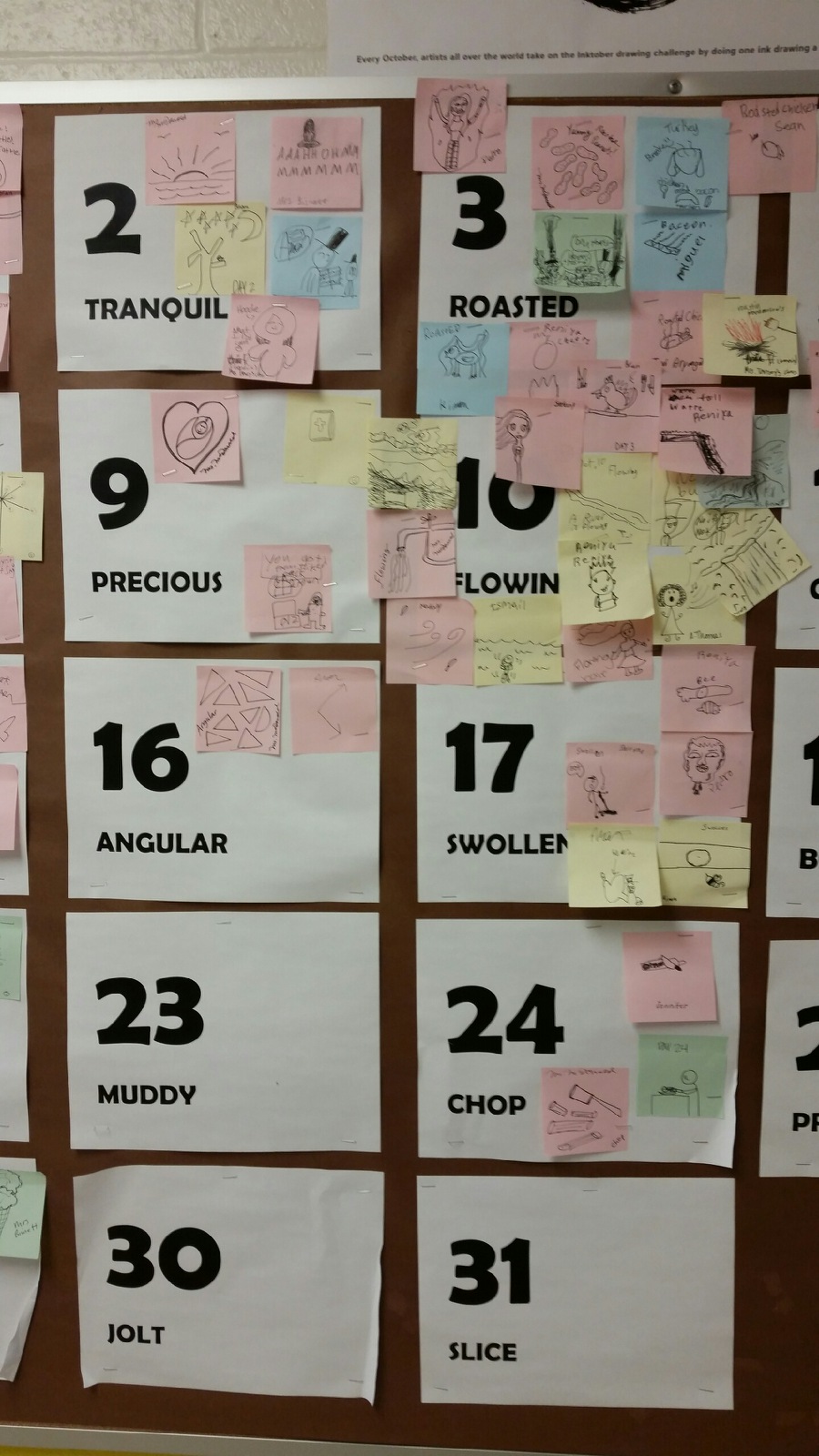
I started by creating a large calendar using one of my hallway bulletin boards, and using Post-it® Notes, invited Flower Hill staff and students to participate. Since we are an elementary school, I didn’t want them to post on social media, but rather to enjoy each other’s creativity as they walked down the media center hallway! Post-it® Notes served this purpose perfectly!
Some prompts were more popular than others! 😀We are looking forward to participating again in 2019!




 The Creative Librarian