John Schu: Connector of books, readers, empathy, understanding, and joy!

The first thing you notice about John Schu is his smile and the joy that emanates from him. Ask him about what he’s reading, and that smile will widen and he’ll tell you all about it, including how good it smells. In 2011 he was named a Library Journal Mover and Shaker for “his dynamic interactions with students and his passionate adoption of new technologies as a means of connecting authors, illustrators, books, and readers.” He has never stopped being a Mover and Shaker in children’s literature – just follow him on social media and you will see him spotlighting all of the authors and illustrators of the books he reads. He is the children’s librarian for Bookelicious, a part-time lecturer at Rutgers University, and shares his love of reading with countless librarians, educators, and students around the world.   

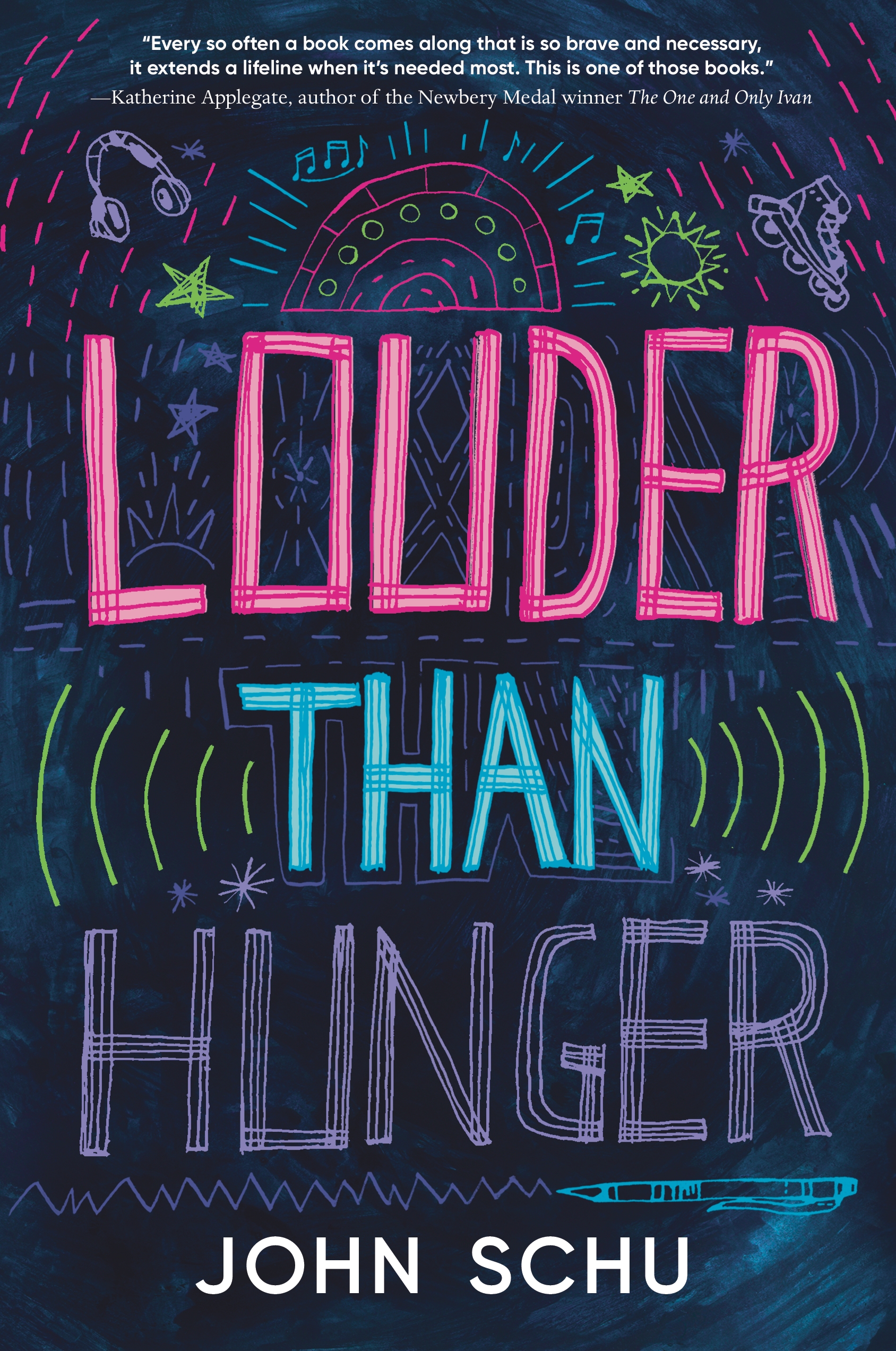
I am thrilled that John Schu will be bringing his important book, Louder Than Hunger, to the 15th Annual  Gaithersburg Book Festival on May 18th at Gaithersburg’s Bohrer Park.  John will be presenting along with Nicole Melleby (Winnie Nash is Not Your Sunshine) in the Nash Young Adult Pavillion beginning at 10:15 am.

John, I met you several years ago, when you were the Ambassador of School Libraries for Scholastic Book Fairs and I enjoyed seeing your genuine book joy then, and how you continue to share joy to this day.  When did you develop your love of, and for, books?

John Schu: Thank you! I always love celebrating stories and books! 

In Louder Than Hunger, Jake thinks about his favorite books a lot. 

This is a passage from pages 173-174. 

Grandma bought me 

Goofy’s Big Race

from the grocery store

when I was six or seven. 

She used a coupon. 

Slow and steady,

steady and slow,

that’s the way to go.

I asked her to read it aloud

over

and

over

and 

over 

again.

Until I memorized it. 

Slow and steady,

steady and slow,

that’s the way to go.

Until it crawled inside my heart

and rested there. 

_________________

Goofy’s Big Race hooked me on reading. It’s tattooed on my heart. 

Louder Than Hunger has had many wonderful, truly outstanding, reviews.  Which has been the most important or meaningful to you?

John Schu: I’m so, so, so grateful for all the outstanding words of praise. 

The most meaningful praise has come in the form of letters from middle schoolers and high schoolers. 

They are sharing their hearts with me. 

They tell me about their favorite parts of the book. 


When they cried. 

How they have struggled with a negative voice in their heads. 

How they better understand what it might feel like to have an eating disorder. 

How they’ve developed more compassion by spending time with Jake. 

You have been very open with your struggles with an eating disorder, and that Louder Than Hunger is a memoir in many ways.  How are you doing today?

John Schu: In Louder Than Hunger, Counselor Ruth says to Jake,

Therapy is a chance to talk with someone about the things that are important to you in an effort to make your life easier, better, and more fun.

I’m living a life that is easier, better, and more fun! 

In your NPR interview you mentioned that the Voice went from having a capital “V’ to a lowercase “v”.  Does the voice ever disappear completely in both Jake’s life, and yours?

John Schu: Thank you for listening to my interview with Scott Simon. It was such an honor to chat with him.

Sometimes I struggle with a lowercase v. Thanks to therapy and strategies that I incorporate into my daily life, I talk back to the voice and figure out why it is talking to me. 

The interactions between Jake and his grandmother were some of my favorites.  Thank you for spotlighting the special bond between grandparents and grandchildren.  What do you think your Grandmother would say to you, had she been alive to read your book and see its widespread acceptance and acclaim?

John Schu: Oh my goodness! This question makes me weepy! 

I think she would say . . . 

You are healthy.

You are loved.

You are strong.

You are determined. 

You are fulfilling your dreams…

(Note: The You are . . . structure will make more sense after you read Louder Than Hunger.) 

Last year, Jarrett Lerner’s novel in verse, prose, and illustration about body dysmorphia, A Work in Progress*, published in 2023 and has had similar success to Louder Than Hunger … why do you think that both books have been embraced so completely? 

John Schu: In the short time Louder Than Hunger has been out in the world, I’ve received MANY email messages from family members of males who are struggling with anorexia and bulimia. I think both books are being embraced by readers of all ages because many people are ready to have these important conversations about disordered eating and mental health.

*(Jarrett was a featured author at the 2023 Gaithersburg Book Festival, where I moderated a panel discussion with two other middle grade authors.  I also interviewed him for my blog  Thankfully, We’re All Works In Progress)

Who is your cover illustrator, and what are your thoughts about the cover art?  Does it express what you hoped it would?

John Schu: I’m SOOOOOO grateful for Grady McFerrin, the cover illustrator, and Maria T. Middleton, the cover designer. The cover—the entire package—expresses everything I hoped for and more! The cover pops on a shelf! It makes me smile! 

Lastly, what message do you have for the readers of your books, specifically Louder Than Hunger, but also your picture books, This is a School and This is a Story?

John Schu: The words connect and connection are always on my heart and mind when I write. 

I hope my books help readers make connections. 

I hope they help build empathy and understanding in readers of all ages.

I hope they help facilitate necessary conversations about schools and libraries and poetry and mental health.

I hope my books inspire readers to write their own stories. 

Thank you, John, for taking time to answer these questions for me!  I look forward to meeting you in May at the Gaithersburg Book Festival, where I will be introducing you and Nicole Melleby.

John Schu: Thank you so much! See you in Gaithersburg! 
Just in time for World Penguin Day – Penguins Ready to Go, Go, Go!

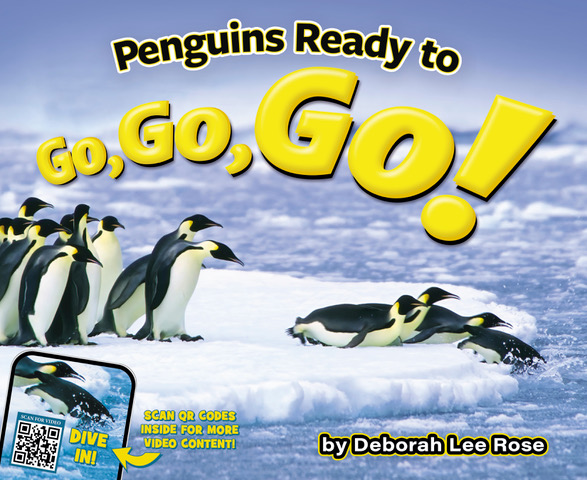
I have been a fan of Deborah Lee Rose’s nonfiction books for children for several years, and had a chance to catch up with her about her most recent title, Penguins Ready to Go, Go, Go!, published April 9, 2024, by Persnickety Press – out just in time for World Penguin Day on April 25th.

Cover: Shutterstock/GTW Emperor penguins

Please tell me about your journey to become a children’s author.

Penguins Ready to Go, Go, Go! is my 19th book, and the journey of becoming and growing as a children’s author has often felt very magical. I have worked to recapture what books gave me when I was a child—the ability to imagine I am anywhere, from the International Space Station to Antarctica—because I want my readers to be able to travel anywhere through their own imaginations. 

Many of the ideas for my books have seemed to come to me “suddenly,” though I realized later how those ideas were percolating in my mind from things I or my kids saw, read, and experienced. One major part of the writing journey has been letting myself tumble over many ideas until I find one I love so much, I want to spend many months working on it. I have also learned that asking for help and even making mistakes can lead to much better writing. 

What is your research process, and when do you decide you have enough background knowledge to begin writing?

I adore research, especially about STEM topics, because there is always so much more to discover than I first realize. I give myself plenty of time for the research phase of each book. Sometimes it’s only after months of research that I learn a fact—or discover an amazing photo—which significantly affects the structure or tone or title of the book. That doesn’t mean I wait until all the research is in before I start writing. For me, research and writing happen simultaneously throughout the book’s creation. And I don’t worry about having enough research, in fact I usually have way too much! For Penguins Ready to Go, Go, Go! and Astronauts Zoom! I had huge binders filled with photos and factual articles. The challenge is selecting which are the absolute best photos, and what is the most amazing and kid-friendly information to include in the final book. 

What are the most fascinating facts about Emperor penguins that you discovered while researching Penguins Ready to Go, Go, Go!  ?

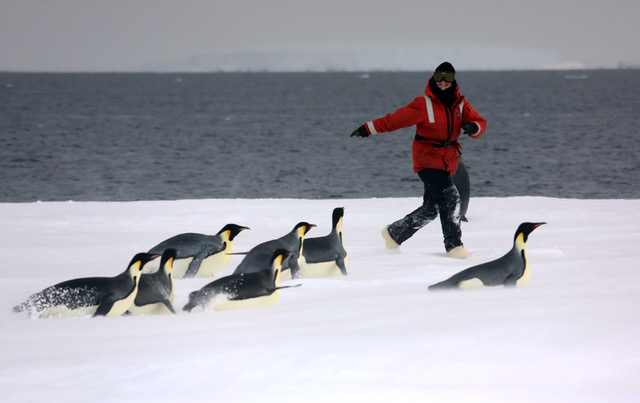
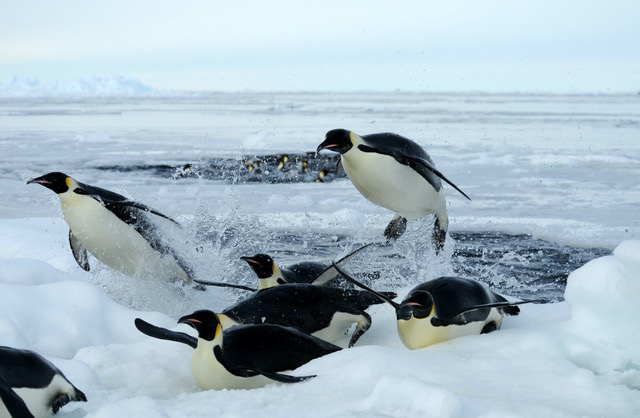
One reason I decided to write this book is because my research turned up so many surprises about Emperor penguins—like the fact that they slide on their bellies to travel faster over the ice and snow, or that they can find their chick among thousands of penguins just by its call. But the two most fascinating facts were how these birds have adapted to their Antarctic environment using bubbles and teamwork to survive. While the penguins are standing on the sea ice, they trap air between their feathers. Then, when they dive into the ocean under the ice to feed, the water pressure helps squeeze out the air into bubble streams around their bodies. These streams reduce the drag on their bodies, so the birds can swim very fast. By building up speed underwater, they can leap high enough out of the ocean to land back on the ice. 

(c) Rob Dunbar, Stanford University, courtesy of Kim Goetz, NOAA-AFSC-MML

Regarding teamwork, penguins don’t just huddle together to stay warm during blizzards. They are all constantly in motion, shuffling through their huge huddles so each bird gets a turn closest to the warm center. I have a wonderful quote in the book from scientist Stephanie Jenouvrier of Woods Hole Oceanographic Institution that reads, “Only together can penguins brave the harshest climate on Earth, and only together can we face a difficult climate future.”

What do you love most about writing for children?

Writing for children is like being a translator. One of the best parts of the job for me, especially in my STEM books, is translating complex concepts like animal adaptations for young learners. I get to play with words and images, while being both scientific and silly, like in the verse from Penguins Ready to Go, Go, Go! that reads:

“Swooshing so fast, and diving so deep,

penguins whoosh from the ocean in one bubbly leap.

Skimming the air in a high penguin hop,

they land on the ice with a wet, giant PLOP!

Paul Ponganis, Scripps Institution of Oceanography, University of California, San Diego

One of the wonders of writing books for children has been that I can “meet” millions of young readers, librarians, teachers and parents worldwide. An actual copy of my book Astronauts Zoom! was launched to the International Space Station with an astronaut crew on Read Across America day, traveled 57 million miles through space on the ISS, and was read aloud in orbit by an astronaut and videotaped for Story Time From Space. (The same astronaut is also IN THE BOOK, from a previous mission to space). That free read aloud can now be watched by children and adults anywhere in the world, at Storytime from Space.

Any time a parent or teacher asks me how they can encourage a child to read more, I say “Take them to the library A LOT.” – Deborah Lee Rose

What message do you have for librarians? For your readers?

I grew up in Philadelphia, where I spent countless hours reading and volunteering in the Free Library of Philadelphia. Libraries have been the greatest resource in my life, including for researching my own books and bringing my children from the time they could sit up in their strollers. Any time a parent or teacher asks me how they can encourage a child to read more, I say “Take them to the library A LOT.” (Librarians know this!) Books and libraries opened up the world to me, and I still believe this can be true for children today. I would also like librarians, teachers, parents and readers to know there are free educational guides to my books, with connections to standards plus activities and resources, on my website at www.deborahleerose.com. These guides can be shared with anyone.

Is there something special you want readers (and educators) to know about Penguins Ready to Go, Go, Go!?

This book includes many photos from leading scientists being published for the first time in a children’s book. QR codes in the book are also linked to amazing live action Emperor penguin videos. From an environmental education perspective, Emperor penguins are now a threatened species, because of climate change and human impacts. While these birds may live extremely far away from us, we can still take action to help conserve their species, which is loved by so many people around the globe.

She [Charlotte] uses the words in her web—just five words—to teach, inspire, and save the life of a friend. That tells me words are very powerful, and children of all ages, whom I meet at schools, understand that their words too can make a difference. – Deborah Lee Rose

What is your own favorite children’s book?

Since I was in 4th grade, my favorite book has been Charlotte’s Web by E.B. White. Our school librarian first read it aloud to our class, and I was mesmerized. The story transported me to a world far beyond my own, something I try to do for my readers even when I am writing nonfiction. To this day Charlotte’s Web still inspires me, since I discovered (as an adult) that the character of Charlotte the spider is a writer like I am, though she writes words in her web and I write them on paper or my computer. She uses the words in her web—just five words—to teach, inspire, and save the life of a friend. That tells me words are very powerful, and children of all ages, whom I meet at schools, understand that their words too can make a difference.

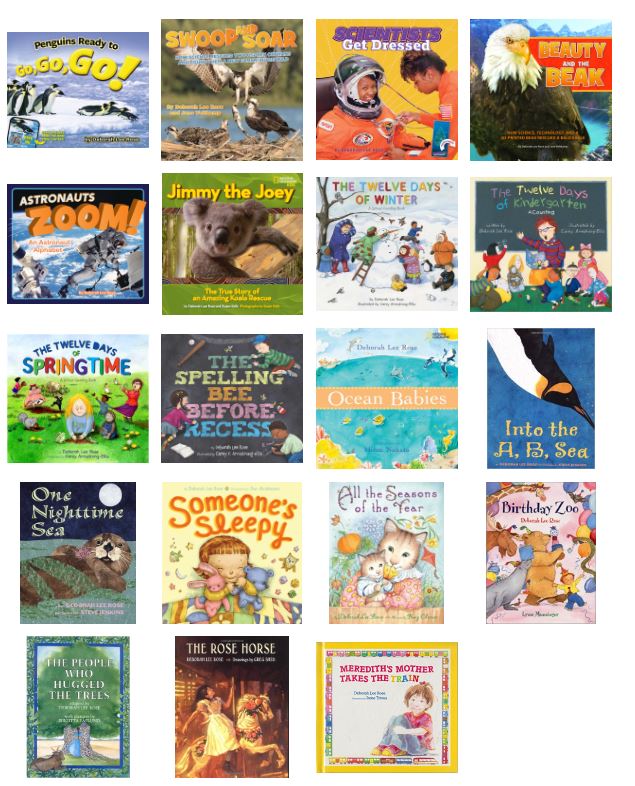
I encourage all to check out Deborah’s many nonfiction titles: 

For more information about children’s author Deborah Lee Rose, visit her website here.

We All Belong in Our Family Book Club

A collaboration between our school’s principal intern and I, we created a Family Book Club, which focuses on our school community’s diversity, and each month, we read aloud books, lead a book discussion, and related book activities to build relationships. The purpose of the Family Book Club is to celebrate our diversity and to build relationships among the families in our school community.  Our school’s slogan is “We All Belong” and we truly mean it, and hope that our efforts help both our students and their families experience this authentically. 

In September, Hispanic Heritage Month, we chose books that focused our our diverse cultures, and read these three picture books:

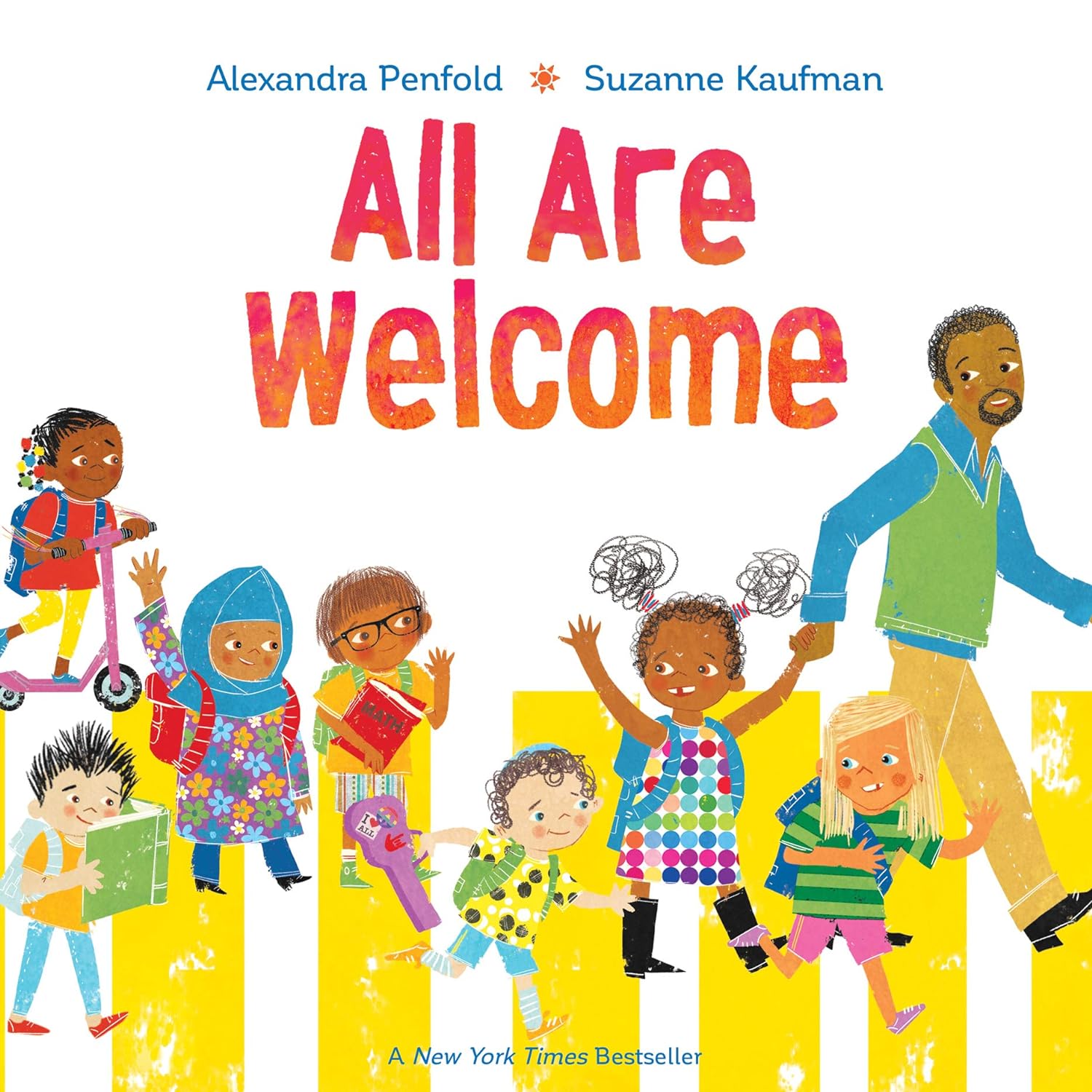
  • All are Welcome by Alexandra Penfold and illustrated by Suzanne Kaufman
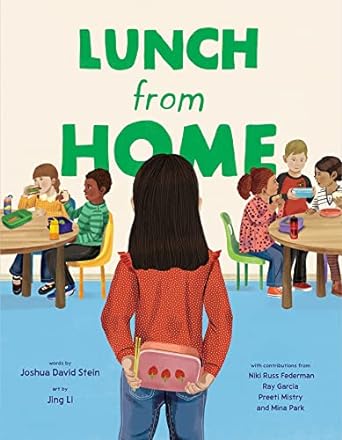
  • Lunch from Home by Joshua David Stein and illustrated by Jing Li
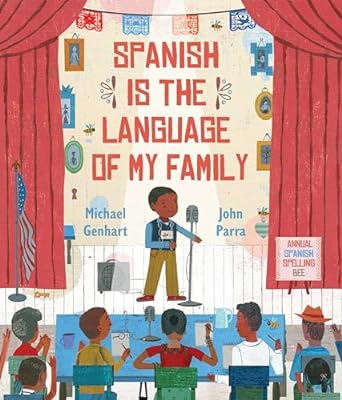
  • Spanish is the Language of my Family by Michael Genhart and illustrated by John Parra

All are Welcomeis a picture book about a school where diversity and inclusion are celebrated.” In Lunch from Home, “four students stand out with their homemade, culturally-specific lunches in a classroom of sandwiches.” Spanish is the Language of my Family “is an intergenerational story of family ties, cultural pride, and spelling bee victory following a young boy who bonds with his beloved abuela over a love of Spanish.”

Link to our September Family Book Club presentation.

In November, we had two Family Book Club meetings – in early November, we shared books around Diwali, Hindu holiday known as The Festival of Lights. Three of my colleagues who celebrate Diwali dressed in clothing from their culture, and shared their family traditions. Our read aloud selections included two picture books:

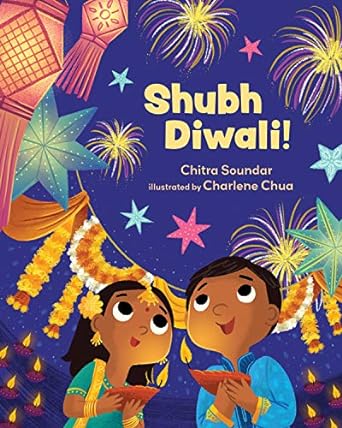
  • Shubh Diwali! written by Chitra Soundar and illustrated by Charlene Chua 
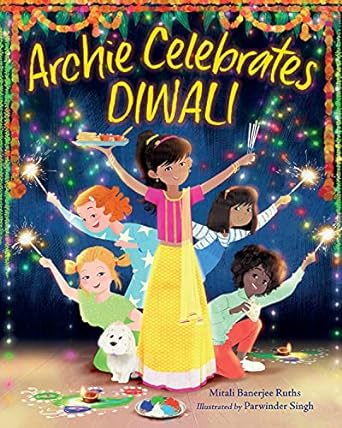
  • Archie Celebrates Diwali! written by Mitali Banerjee Ruths and illustrated by Parwinder Singh 

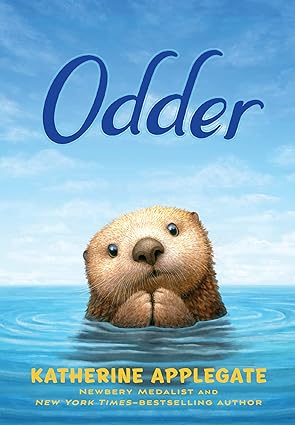
 We had also given families the option to read and discuss Odder by Katherine Applegate.

Shubh Diwali! is a sweet book about the excitement of The Festival of Lights from the perspective of a child. Archie Celebrates Diwali! ”Archana loves her family’s annual Diwali (deh-vah-lee) party, and this year she gets to share it with all her friends from school.” Odder is a touching and lyrical tale about a remarkable sea otter, and a wonderful introduction to marine life rehabilitation.

Link to our November 8th Family Book Club presentation.

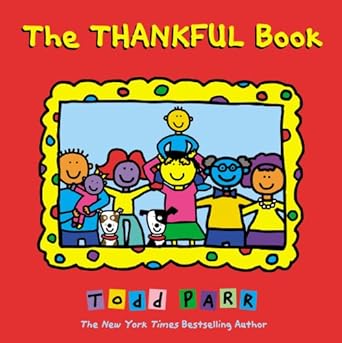
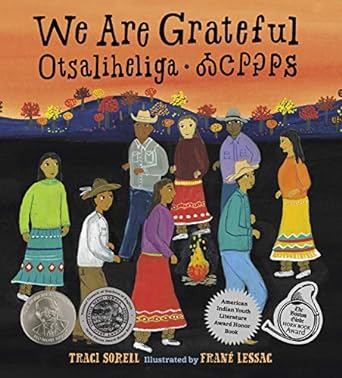
Our third Family Book Club was held at the end of November and focused on both Native American Heritage Month and gratitude. We read We are Grateful: Otsaleheliga written by Traci Sorell and illustrated by Frané Lessac and The Thank You Book written and illustrated by Todd Parr.

Link to our November 29th Family Book Club presentation.

Our last Family Book Club meeting focused on celebrating differences and the winter holidays of Hanukkah, Christmas, and Kwanzaa.   The books I chose to share were:

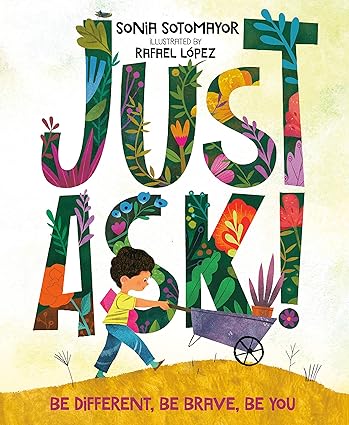
  • Just Ask!: Be Different, Be Brave, Be You written by Sonia Sotomayor and illustrated by Rafael López
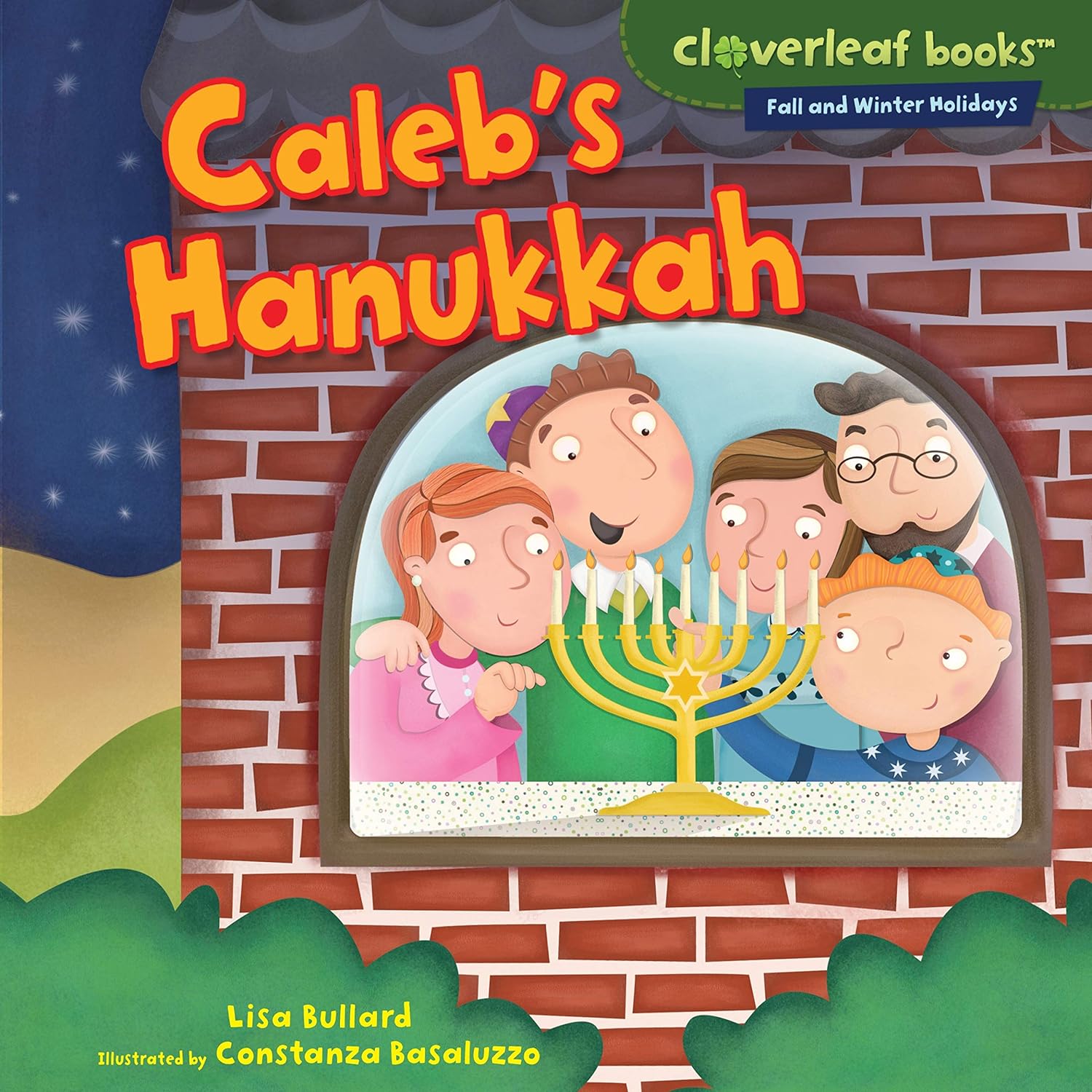
  • Caleb’s Hanukkah written by Lisa Bullard and illustrated by Constanza Basaluzzo
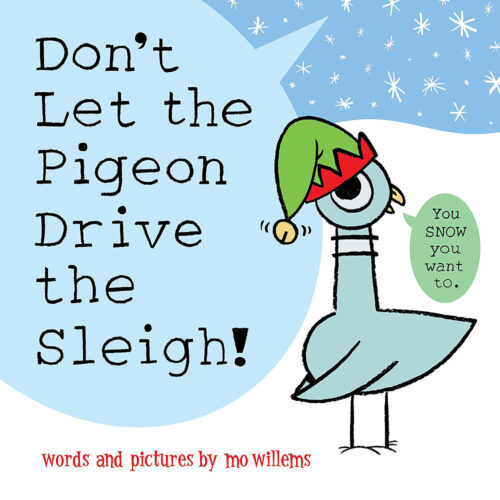
  • Don’t Let the Pigeon Drive the Sleigh written and illustrated by Mo Willems
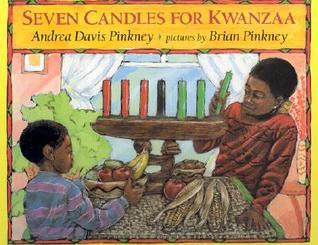
  • Seven Candles of Kwanzaa by Andrea Davis Pinkney and illustrated by Brian Pinkney

Just Ask! is a kind and caring book about the differences that make each of us unique. In Caleb’s Hanukkah, he describes all the things that make the holiday special for his family. Don’t Let the Pigeon Drive the Sleigh is a fun and silly story about Pigeon, and Seven Candles for Kwanzaa is a beautifully written and illustrated book that “describes the origins and practices of Kwanzaa, the seven-day festival during which people of African descent rejoice in their ancestral values.”

Link to our December Family Book Club presentation.

While the kids had fun calling back “No, Pigeon!” as I read the story, in retrospect, I wish I had chosen Christmas book that focused on the true meaning of Christmas, such as Season of Light by Jess Redman and illustrated by Ramona Kaulitzki, The Christmas Blessing written by Erin Guendelsberger and illustrated by Gail Yerrill, or The First Christmas by Will Moses.

During the meeting we discussed how in each of these winter holidays, Hanukkah, Christmas,and Kwanzaa (and Diwali as well) candles were of great importance, and each represented light over darkness. Diwali includes oil lamps called diyas, Hanukkah, the menorah, Christmas, the advent wreath, and Kwanzaa, the kinara.

We will continue our Family Book Club with once a month meetings in the new year, January through May, with hopes that our families will continue to find the meetings meaningful. Look for a year-end post about the remainder of the school year in June!