All-A-Flutter with Christine Van Zandt

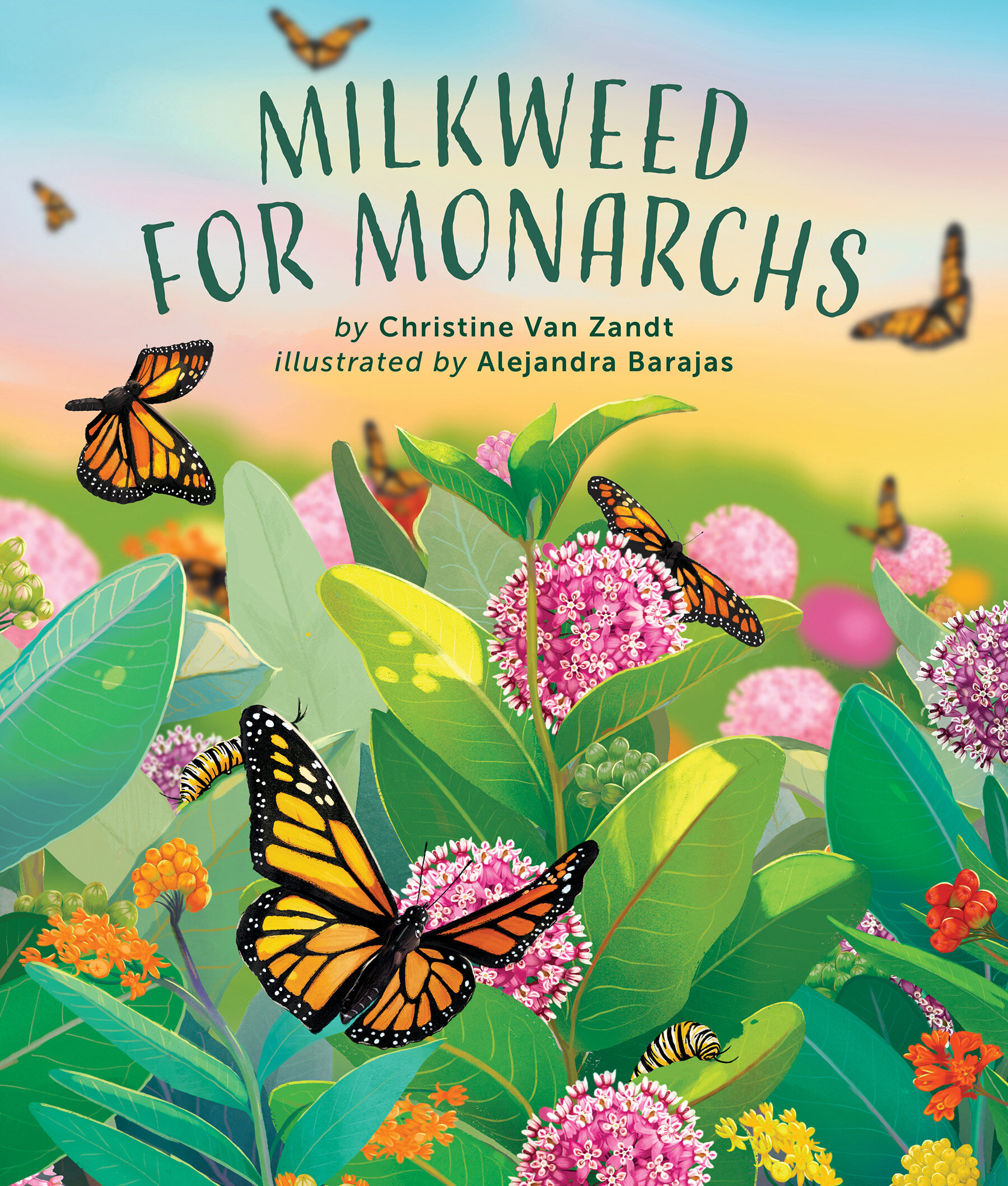
Milkweed for Monarchs cover, written by Christine Van Zandt and illustrated by Alejandra Barajas (Beaming Books, ©2024)

As a burgeoning environmentalist, I have become increasingly interested in pollinators which are vital to our ecology.   Specifically focusing on my local ecology here in Gaithersburg, I was fortunate to have the help of Nature Forward’s GreenKids program in creating our first pollinator garden with our Green Team, and we have continued to expand our pollinator gardens throughout our school’s courtyard.  Always on the lookout for good environmental books to add to my library collection, and to use in my lesson plans, this spring I connected with Christine Van Zandt, who wrote, Milkweed for Monarchs (Beaming Books, ©2024).

Milkweed for Monarchs is a wonderful resource for young lepidopterists. The rhyming text follows the life of the female Monarch butterfly, while the additional facts add to the depth of learning.  Did you know, for example, that the process of emerging from the chrysalis is called eclosion?

The bright and beautiful illustrations, digitally rendered by Alejandra Baraja, significantly add to the level of the reader’s understanding.  The spreads where she illustrated how the chrysalis transforms in the pupa stage are fascinating.

In the backmatter, author Christine Van Zandt reminds us how important Monarch butterflies are to our ecosystem, that we humans are important to their survival, and that there are four simple ways that we can help them. A selected bibliography is included for those who would like to learn more as part of their environmental education and advocacy.
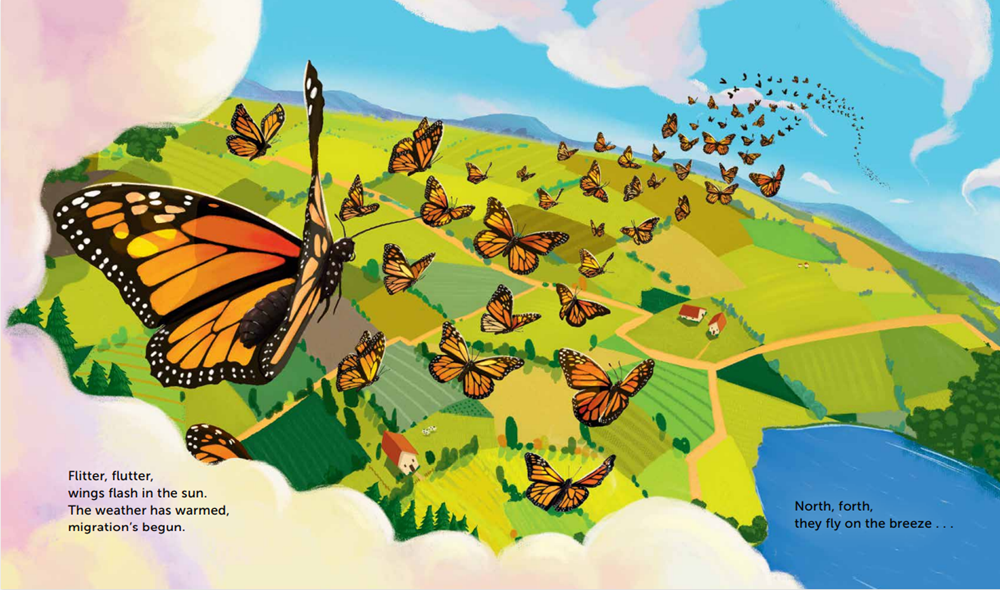
Interior spread from Milkweed for Monarchs written by Christine Van Zandt and illustrated by Alejandra Barajas, Beaming Books ©2024.

When creating lesson plans for my elementary students, I pull together a variety of resources, almost always with a picture book as the anchor text. I found some wonderful videos to accompany Milkweed for Monarchs and utilized the Beaming Books Discussion Guide for Parents and Educators as well.  Feel free to create a copy of my Monarch Butterfly lesson slides linked here to use with your students and young lepidopterists.

Please enjoy my interview with Christine Van Zandt that follows.

Who encouraged or inspired you to become an author?

Just as some people need to run or paint, I need to write. My dad encouraged me to change from majoring in business (a seemingly practical choice) to English literature because he knew writing was an integral part of me.

He believed that since we spend huge amounts of time at work, we should pursue careers doing things we love, choose something that makes us happy. (Thanks, Dad!) Because of his advice, my career path led me to becoming an editor and writer. Whether I’m helping someone with their book or writing my own, I enjoy what I do every day!

What is your writing space like? 

We live in a small place so my writing area is in the middle of it all. Fun fact: I have a disco ball hanging behind my monitor!

What was your inspiration for writing?

During the pandemic, we bought our first milkweed plant, vaguely aware that milkweed somehow helped butterflies. Soon we had eggs and caterpillars but none of them made it to butterflies—they were eaten by raccoons, birds, the small ones carried off by ants.

I wanted to know all I could about monarchs and was shocked to find our western monarch was near extinction. I grew up in Northern California; my family went to the coast to see the trees cloaked with monarchs overwintering here. That was magical! However, the monarchs’ population had dropped from millions to a couple of thousand! If I had realized this, I would have planted milkweed sooner. As much as I wanted to write a book kids would enjoy, I also wanted the adults to learn how critical it is for anyone who’s able to plant some milkweed and to not use pesticides in their yards.

What do you love most about the cover art and illustrations in your book?

The illustrator, Alejandra Barajas, did an amazing job—I love it all! The cover is gorgeous and all throughout her bright, upbeat, colorful art accurately depicts the various stages of a monarch’s life.

How (or in what ways) do you hope librarians will promote your books?

I hope that librarians, educators, and anyone looking for activities and lesson plans finds the wonderful Educator Guide that’s available for free at Milkweed for Monarchs | Beaming Books. This six-page illustrated guide provides fun and educational activities that kids will enjoy.

I also hope that more milkweed gets planted because the western monarch really needs our help.

Who is the reader you are writing for? Please describe them.

I’m hoping to reach that kid, who like me, enjoys learning about insects and digging in the dirt. There are countless things going on that we don’t notice until we stop and watch. It’s exciting watching all the interactions. In our yard, there’s often a dominant male monarch butterfly that protects his territory. He allows females into the area to lay eggs on his milkweed plants. Hunting around to find eggs is a thrill. Caterpillars go through so many changes and they’re very active. I’m still surprised where they turn up. We’ve had chrysalises in the strangest places. If you’re someone who appreciates bugs and plants, then I’m absolutely writing for you.

But also I hope to reach readers who may not realize that monarch caterpillars, like koalas or pandas, can only eat one type of food (milkweed). That’s why the title of the book is Milkweed for Monarchs. Without milkweed, the monarch cannot continue.

What is one (or more) thing(s) that you really want your readers to know about you?

Our yard is small (many plants are in pots), but the garden is my happy place, nurturing all kinds of life. I have a lot of milkweed for the monarch caterpillars and flowers for the butterflies. This year, I added heirloom tomatoes. The first to ripen were sweet and delicious yellow cherries. Nothing beats a freshly picked and sun-warm tomato.

Which book review or award has been most meaningful to you?

Every review matters to me because book reviews really help authors. I post as many reviews of books as I can because I know that a few minutes of my time makes a difference to that author and their book.

Milkweed for Monarchs has recently been shortlisted for two prestigious awards. Both nominations are exciting. There are many amazing books. Having my book recognized means so much to me.

What message do you have for your readers?

We can’t do everything but we can do something. Find your “something” and put your heart into it.

Christine, thanks so much for writing this beautiful book (and for Alejandra’s vibrant illustrations)!

You’re so kind! I appreciate it.

Want to learn more about Christine?  Explore the links below!

Christine Van Zandt’s website: Christine Van Zandt

Goodreads with Ronna blog interview: An Interview with Author Christine Van Zandt

SCBWI-LA  Kite Tales:  The Sue Alexander Grant is Open for Submissions! | Kite Tales
Follow Christine on the socials here: Facebook | Instagram | LinkedIn | Twitter/X
Nicole Melleby is a Ray of Sunshine at GBF #15

As a longtime committee member of the Gaithersburg Book Festival, this time of year is such a special time for me – so many wonderful authors and illustrators descend on Bohrer Park and I get to meet them in person, listen to their presentations, and learn about their creative process.  Such fun for this book-loving librarian! 

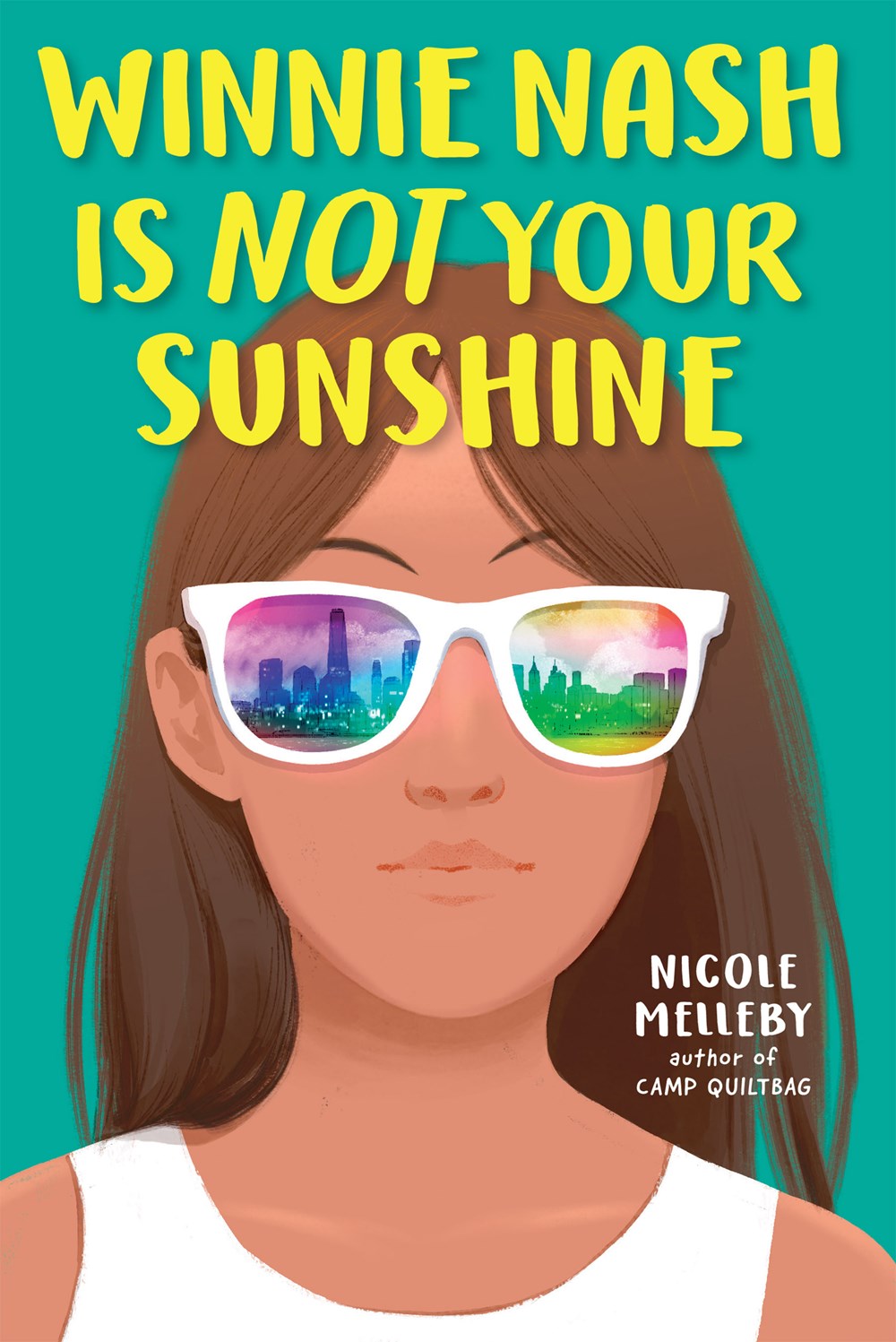
I will be introducing both Nicole Melleby and John Schu, who will be featured authors presenting together at 10:15 am in the Ogden Nash Pavilion. After reading Melleby´s Winnie Nash is Not Your Sunshine, I reached out to her for an interview. Booklist describes this middle grade novel as “a tearjerker with heart—a triumphant exploration of lesbianism, extended family, and miscarriage from the eyes of a young, would-be sibling,” – and I would add, exploring depression and the basic need to feel safe and loved.

Can you share your journey to becoming a children’s author?
When I was eight, I saw the Nickelodeon movie Harriet the Spy. I was obsessed, I loved everything about it, but I especially loved the main character, Harriet, and the way she always carried around a notebook to write things in. I used to beg my parents to buy me marble composition notebooks just like the one Harriet had every time they went to a store that carried them, and I would fill those notebooks up with everything. I started off by taking notes about the people around me much like Harriet did while spying, and from there I started writing stories instead. I’ve been writing stories ever since.

The movie also gave me this quote, which I’ve kept in mind ever since, and speaks to why I keep writing: “You know what? You’re an individual, and that makes people nervous. And it’s going to keep making people nervous for the rest of your life.”

Many of your books deal with LGBTQ+ kids discovering their sexuality and understanding their identities. Winnie Nash is Not Your Sunshine has received many wonderful reviews. Kirkus Reviews described it as, “A powerful, emotional look at queerness, pride, and what it truly means to feel held.”  How does this make you feel?

It makes me feel good, of course it does, especially when we’re in an atmosphere right now where LGBTQ+ books like mine are being more and more challenged and banned by school boards all over the place. Getting good reviews is always nice, but now it almost feels like extra validation when someone tries to say that an LGBTQ+ middle grade book “has no literary merit” (a true quote from a school board challenging books of mine) or has no place on a child’s shelves. But I think Kirkus got it right, it got right to the point of what I wanted to do with this book: give a child reader the chance to feel held right alongside Winnie.

Were Winnie’s experiences and feelings reflective of your own growing up? 

Unlike Winnie, I didn’t know I was queer at a young age, but like Winnie, I grew up on the Jersey Shore, looking across the bay at New York City, wondering what it would be like to get there someday. And while I was a lot younger than Winnie and it didn’t affect my life as much as it affects hers, my mom also struggled with miscarriages before my younger brother was born. Winnie, overall, is a sad, confused, angry kid, and I think that I let her feel all of the things I felt at various times; I didn’t want to hold anything back with her. I read an essay in which Kate DiCamillo says, “Let kids be sad” and it’s something I took to heart. I was a sad kid sometimes—I think there are a lot of sad kids out there—I wanted to let Winnie be one, too.


What do you hear from your readers (kids, parents, educators)  after they have finished reading your books?

For all of the book bannings and challenges and, frankly, mean emails I get, I receive about a dozen more from kids and parents and teachers who have found something in my books that they needed. It’s definitely what keeps me positive throughout all of the contention when it comes to queer books for kids. The kids who email me and say how much Winnie or Pluto or Fig mean to them always means more to me than what I can even put into words.

Why do you think it is important to write for the middle grade audience?
Because kids deserve to get lost in the pages of a book just as much as anyone else does, they deserve to see themselves, or kids just like them or their friends or their family, thriving and surviving and going on adventures and being sad and growing and learning and exploring, and falling in love or falling in crush or finding friends or learning how to handle losing friends, too. They deserve to win against the monsters or to learn how to cope when you lose. I think writing for kids is special, because it was as a middle grade reader that I first fell in love with reading and being able to lose myself in a book has always been so important to me.

What message do you have for librarians (and all educators)?
I talk a lot about book challenges and bannings, and I am trying to do what I can from my end, but I know how hard it is for the librarians on the ground level right now doing their best to keep getting these books into their readers’ hands. I respect your work and I see how hard you are all doing what you do—and I really hope you keep pushing and keep fighting for these kids the best you can. It used to be easier to ask that of librarians, and now it’s getting harder, because I know there’s more and more risks these days for them, too. But at the end of the day, I think about the kids first, the ones who need to see us fighting for them to have books with characters they relate to on the shelves. So, basically, my message is: Thank you for all that you are doing. I’m here fighting with you.

What message do you have for your readers?
To the kids (and adults) who pick up my books: I see you, and you are not alone. 

Additional titles by Nicole Melleby:

Middle Grade:

  • Hurricane Season 
  • In the Role of Brie Hutchens 
  • How to Become a Planet
  • The Science of Being Angry
  • Winnie Nash is Not Your Sunshine
  • Dressing Up a Jersey Girl

The House on Sunrise Lagoon Series:

  • Sam Makes a Splashe
  • Marina in the Middle
  • Halfway to Harbor

Jonathan Roth Spashes Down at GBF #15

Jonathan Roth and I are colleagues in the same school district, but do not teach at the same school – we work in a very large district – 211 schools and counting!  He is a vibrant art teacher who encourages his students to authentically express themselves and create bravely.

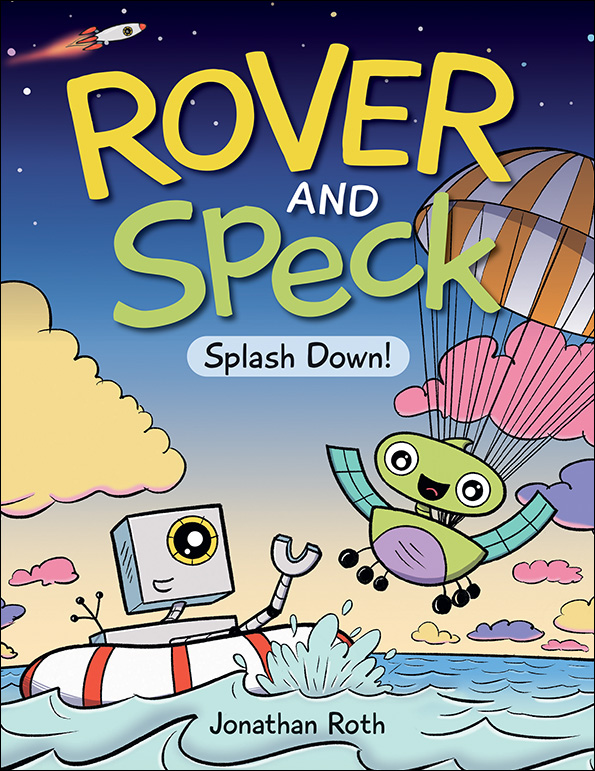
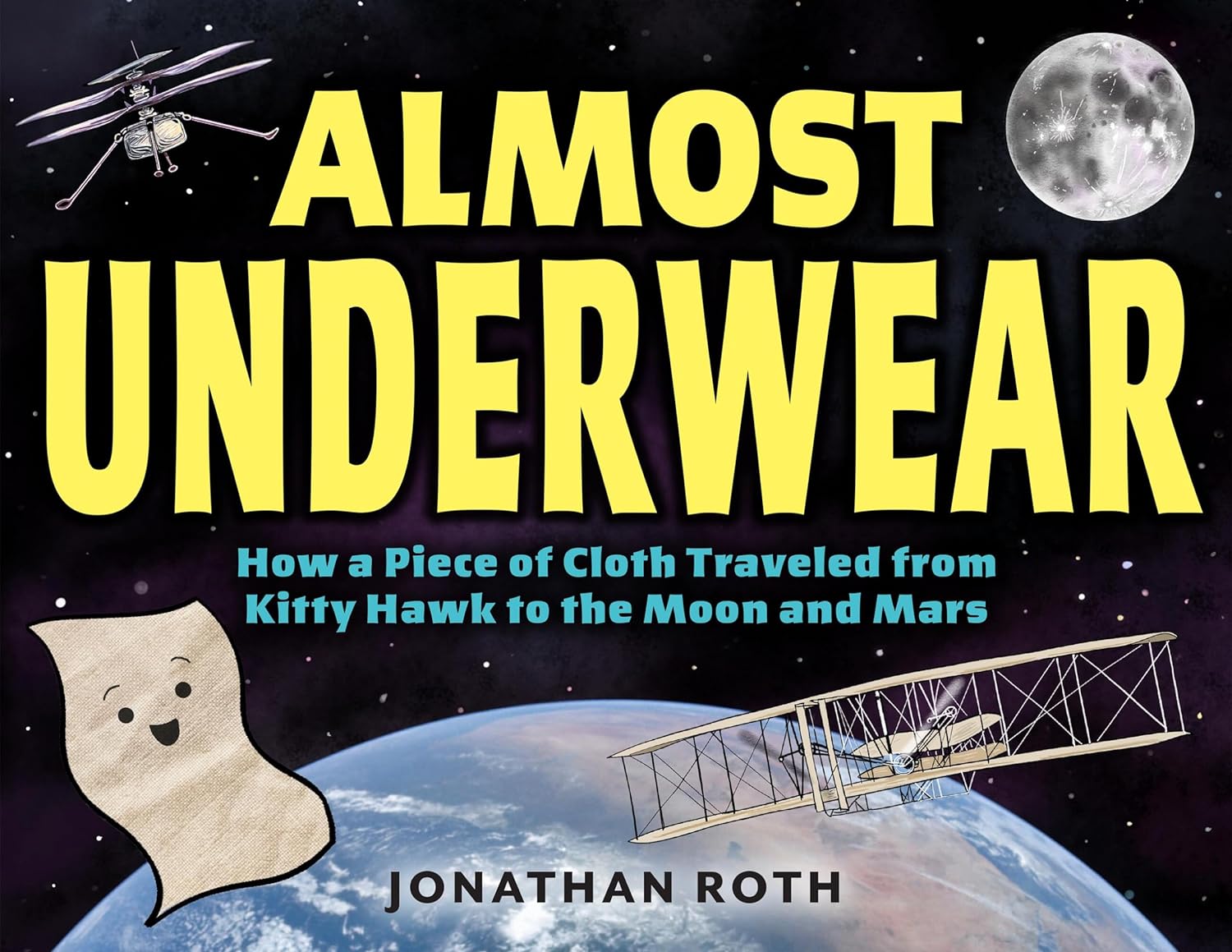
In this busy spring season I was able to catch up with Jonathan to talk about his current book, Rover and Speck: Splash Down and his upcoming book, Almost Underwear: How a Piece of Cloth Traveled from Kitty Hawk to the Moon and Mars (August 2024).  Jonathan will be a featured author at the 15th Annual Gaithersburg Book Festival on May 18, 2024 at 4:15pm in the Jim Henson Pavilion.

Please tell us about your journey to become a children’s author.

Starting from early childhood, there hasn’t been a time when I haven’t been drawing,writing or cartooning. And not a day where I haven’t been reading! Out of art school Iwas revisiting some favorite picture books and discovering new ones, and it hit me that that’s what I really wanted to do. Of course, it took many years of learning and tryingand failing, but then I finally got an agent and…failed some more (not her fault, it’s just super competitive). Finally, with my current agent, I started making sales. And now books 7 and 8 are releasing this year! (though like almost all published authors, I still get rejections too).

How did you create your characters, Rover and Speck?

I’d been following the real Mars rovers Spirit and Opportunity on and off since they landed in 2004. They were designed to last 90 days; Spirit lasted 5 years and Opportunity almost 15! When I read in the paper (yes, paper) in 2019 that Opportunity had finally ‘died’ (lost power for good) on Mars, I instantly knew I wanted to write about a fictional rover who ‘died’ but then was discovered and revived by another rover. Cue un planetary adventures!

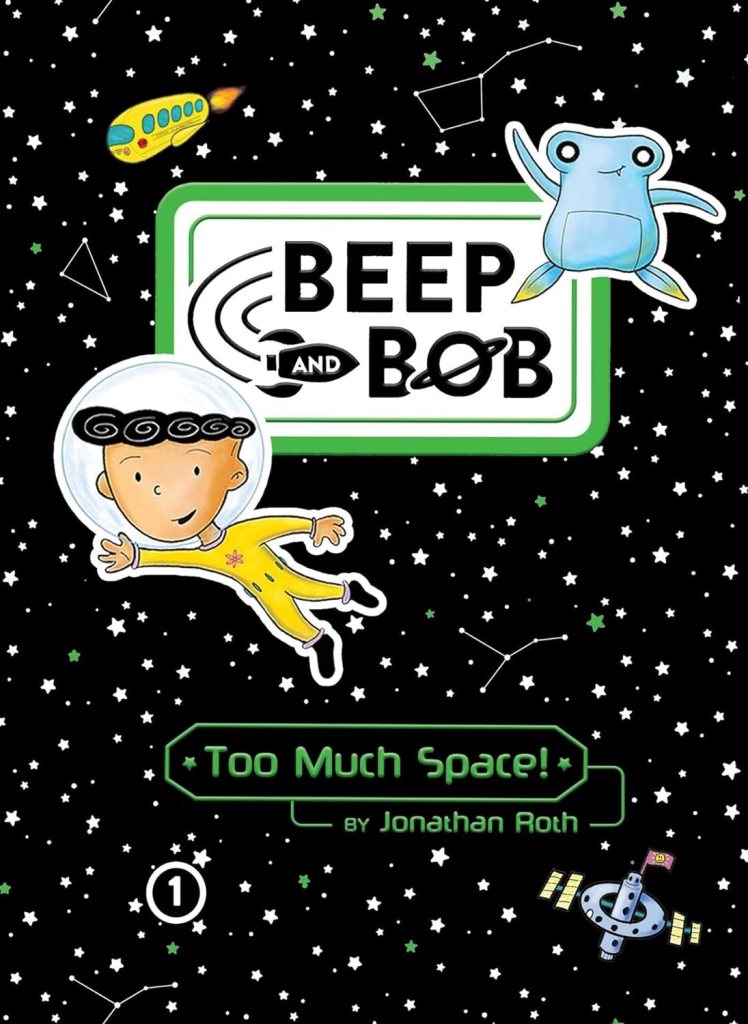
How is your creative process different when writing/illustrating the Rover and Speck graphic novels versus writing your Beep and Bob chapter book series?

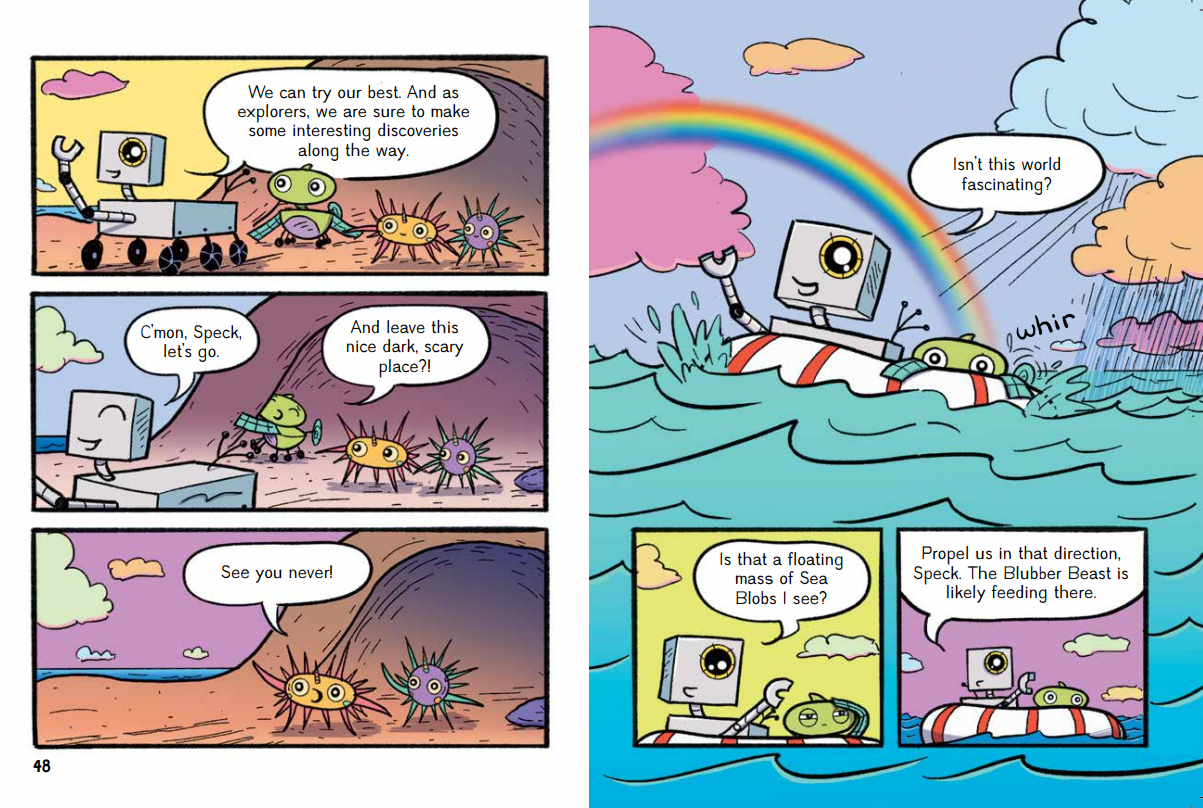
Rover and Speck has full-color comics illustrations taking up every page, and the Beep and Bob books each have only about 20-30 black and white spot illustrations, so the biggest difference is that R&S takes a lot more hours at my drawing board! I’m faster at the writing part.

I know you are coming to Gaithersburg Book Festival #15 to present Rover and Speck: Splash Down, but I am also curious about your upcoming nonfiction picture book, Almost Underwear (book birthday August 20, 2024).

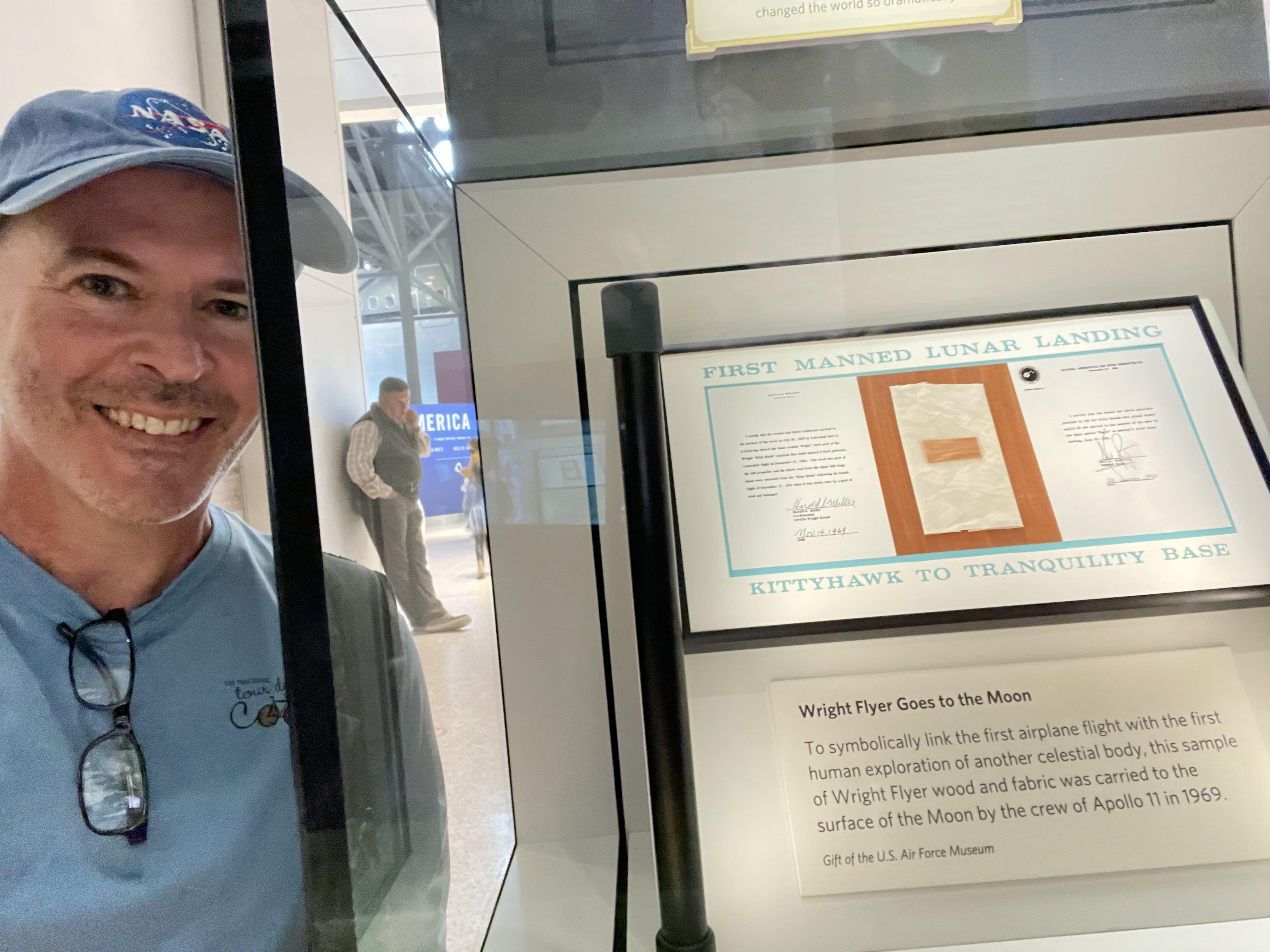
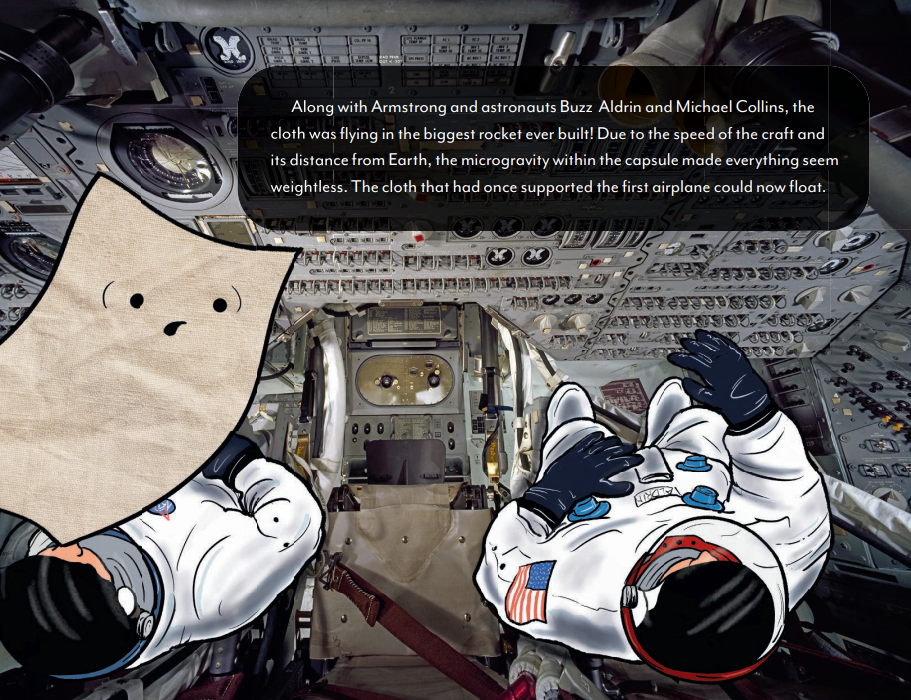
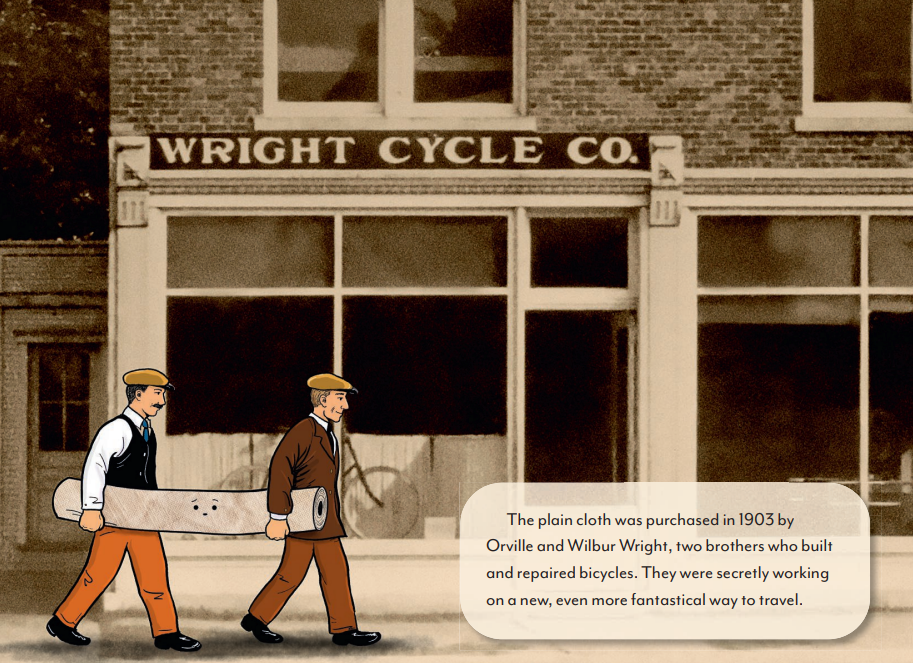
I’ve been attending the GBF since year 1! And this will be my 4 th time speaking there (not including a video for the virtual year), so I’m super excited. Maybe you can expect a little peek at Almost Underwear at this year’s festival, hint hint, but in a nutshell it’s the story about how some ordinary cloth was bought by two brothers in a Dayton department store in 1903, and how various cuts of that cloth became part of the first powered airplane flight on Earth and then also the first moon landing and the first flight on Mars in 2021! It’s a book about innovation and commemoration – and underwear (well, almost underwear).

What is your research process, and when do you decide you have enough background knowledge to begin writing?

Don’t tell anyone, haha, but I start writing well before I know all the facts! With Almost Underwear, once I had the three main historical vantage points (first flight and thencloth from the wing of the Flyer taken to both the moon and Mars) I immediately begana draft from the point of view of the cloth as it was sitting in the store alongside muchfancier cloth, waiting to be purchased. Then as I began to research in earnest, I fleshed out the historic details as I went (with creative license of course – the cloth didn’t actually have a cute face:) I did go into it with a lot of prior knowledge about the Wright Flyer, Apollo 11, and Mars missions, but it was a great excuse to delve into lots of new and review reading.

What is the most fascinating fact that you discovered while researching for Almost Underwear: How a Piece of Cloth Traveled from Kitty Hawk to the Moon and Mars?

I don’t know if it’s the most fascinating fact, but early on, when I read that the type of muslin the Wright Brothers purchased from a Dayton department store was most commonly used at that time to make “ladies undergarments”, I knew I had my fun hook.

What do you love most about writing for children?

I love the KidLit community. Writing can be solitary, with only peeks at the tip of the iceburg ever showing (if you’re lucky!) While I do it for the kids of course, I really value that I’ve been able to build lasting relationships with other creators and book lovers.

What message do you have for librarians? For your readers?

Librarians, you rock! Even in these challenging times, librarians always strive to get the right books in the right hands. And readers: you rock too! With so many choices – and distractions – these days, I am heartened every time I see a young person reading (doubly heartened if it’s one of my books!) Books are little miracles, and we (authors, illustrators, editors, librarians, readers) co-create them together.

If you would like to learn more about Jonathan and his books, please read the following posts:

Rover and Speck: This GBF Rocks! (May 2, 2023)

Outta this World with Jonathan Roth (April 29, 2019)


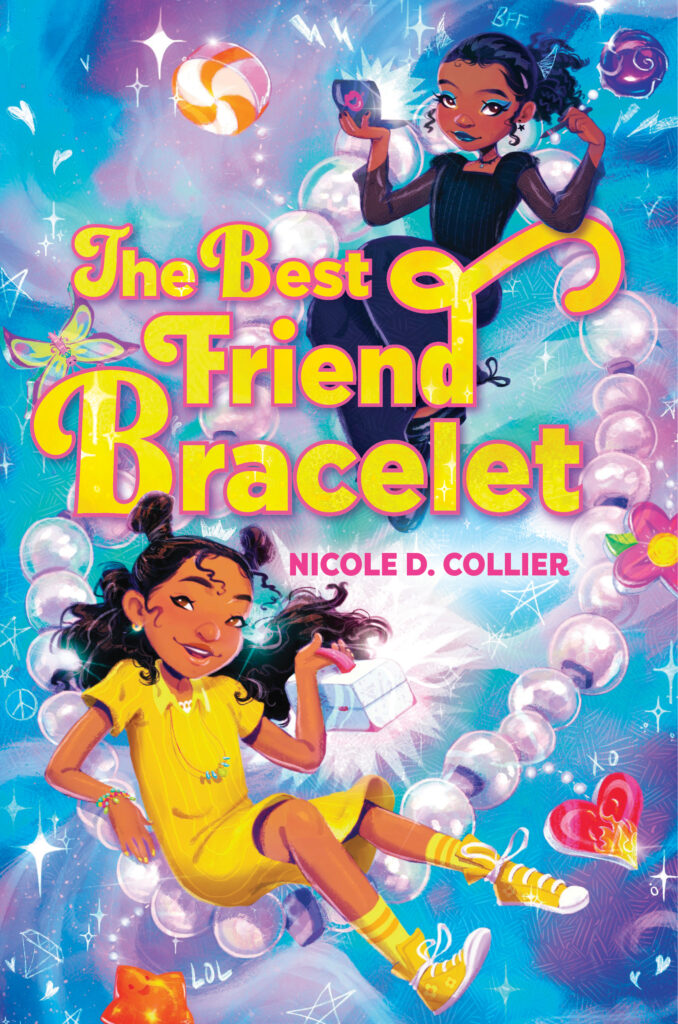
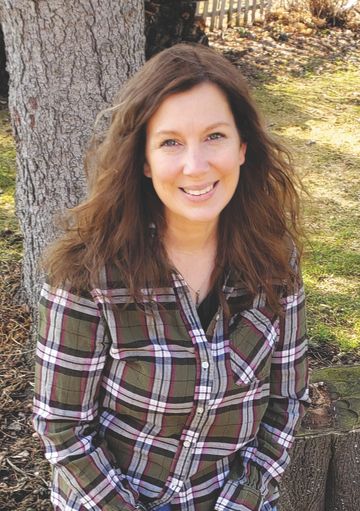
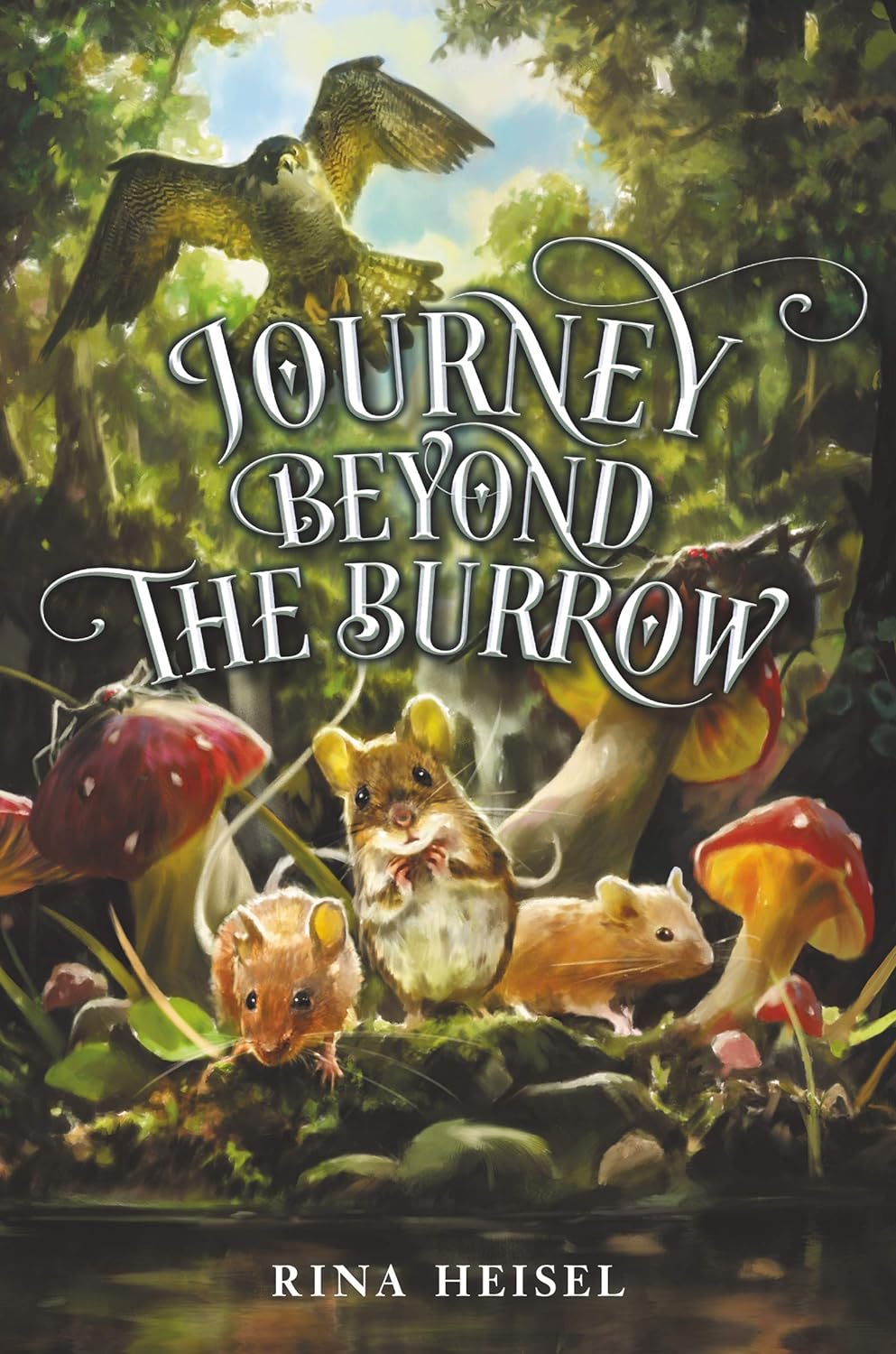
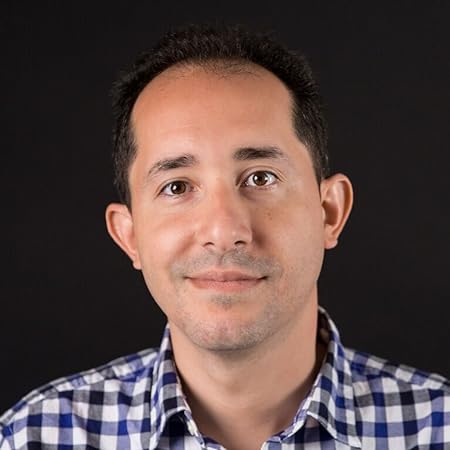
A Visit with Nicole, Rina, and Victor

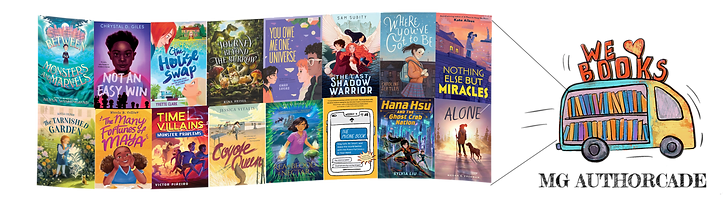
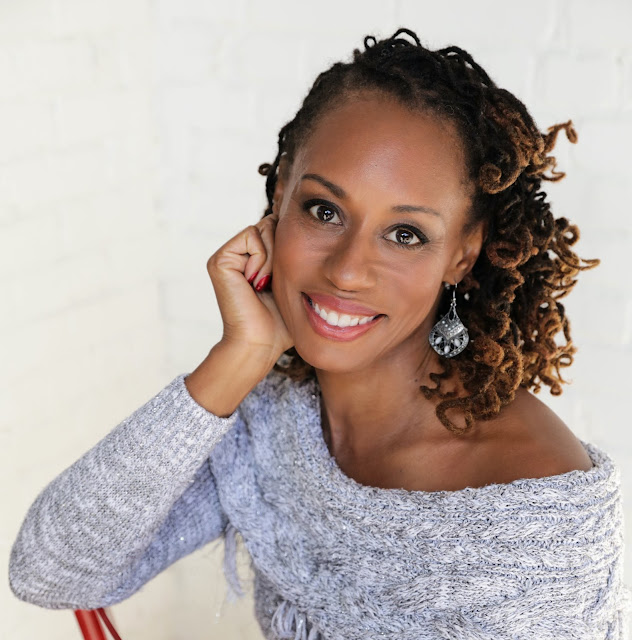
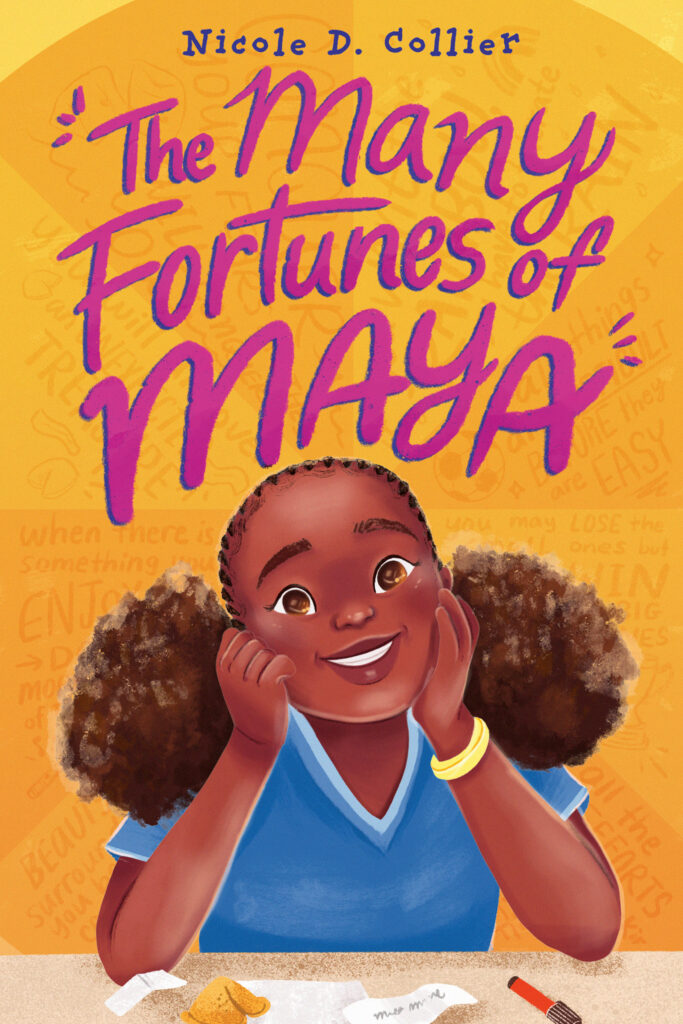
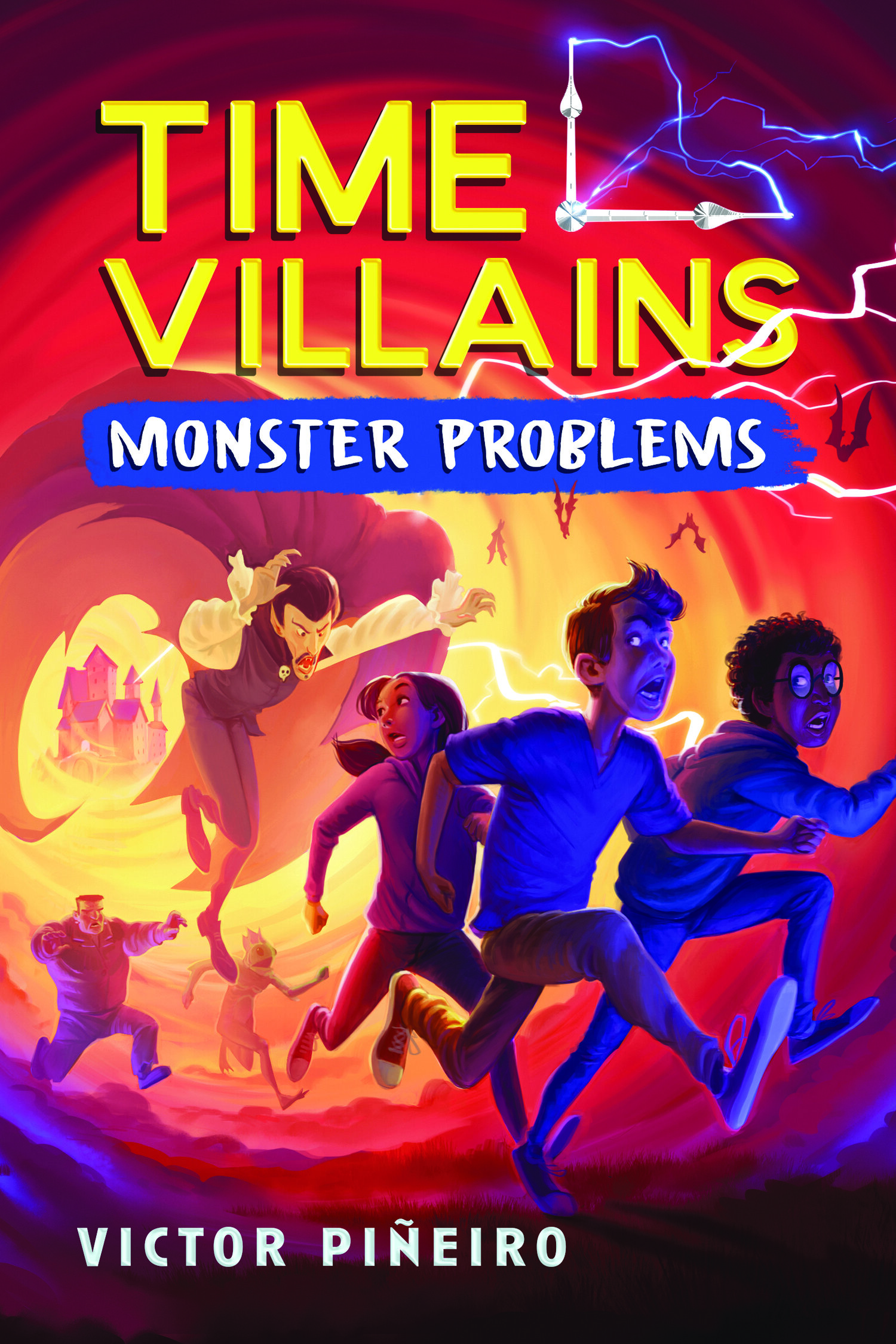
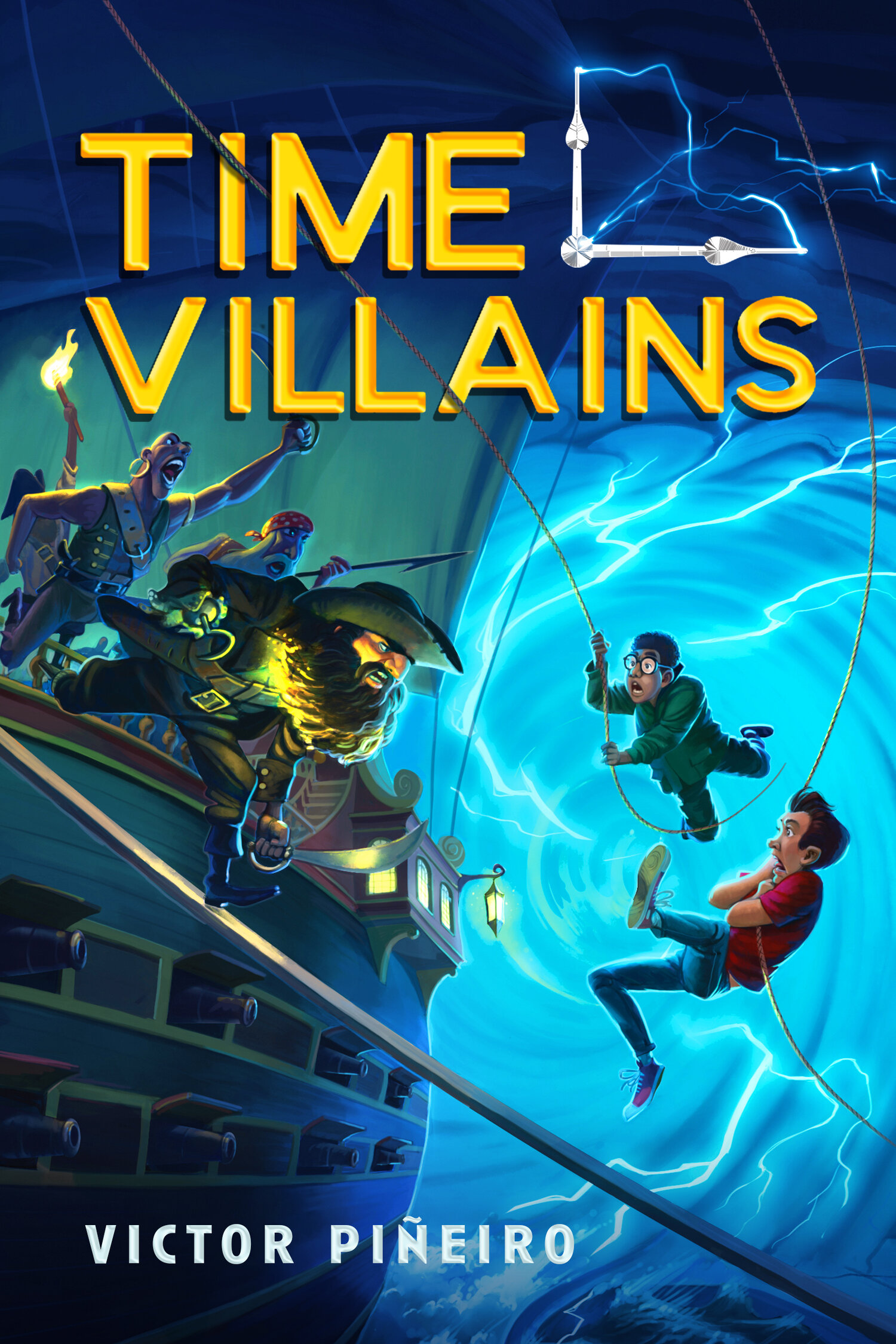
On April 26, 2024, my 5th grade students and I were thrilled to meet with middle grade authors Nicole D. Collier, Rina Heisel, and Victor Piñeiro during a virtual author visit that I had been so fortunate to win earlier this spring. My students ask wonderful questions, and were so enthusiastic when the authors asked if we had any writers in the audience. Many students stood up and proclaimed that they were writers and readers at the end of the visit. I, for one, annd looking forward to seeing where my students’ life journey takes them. Like the Middle Grade Authorcade logo states, WE LOVE BOOKS!

The Middle Grade Authorcade shares its origin story as, “Once upon a time, a group of first-time authors banded together to support one another in their debut year. Through this time of shared uncertainty, vulnerability, and celebration, friendships and great camaraderie emerged. So as our debut year ended, we didn’t want this supportive community to fade. With that, the Middle Grade Authorcade was born. It’s one of life’s happy endings. And you’ve got to take happy endings wherever you can get them.”

On April 26, 2024, my 5th grade students and I were thrilled to meet with middle grade authors Nicole D. Collier, Rina Heisel, and Victor Piñeiro during a virtual author visit that I had been so fortunate to win earlier this spring. My students ask wonderful questions, and were so enthusiastic when the authors asked if we had any writers in the audience. Many students stood up and proclaimed that they were writers and readers at the end of the visit. I, for one, annd looking forward to seeing where my students’ life journey takes them.

Educator Resource: Journey Beyond the Burrow Teacher Resource Guide

How did you get involved in MG Authorcade?

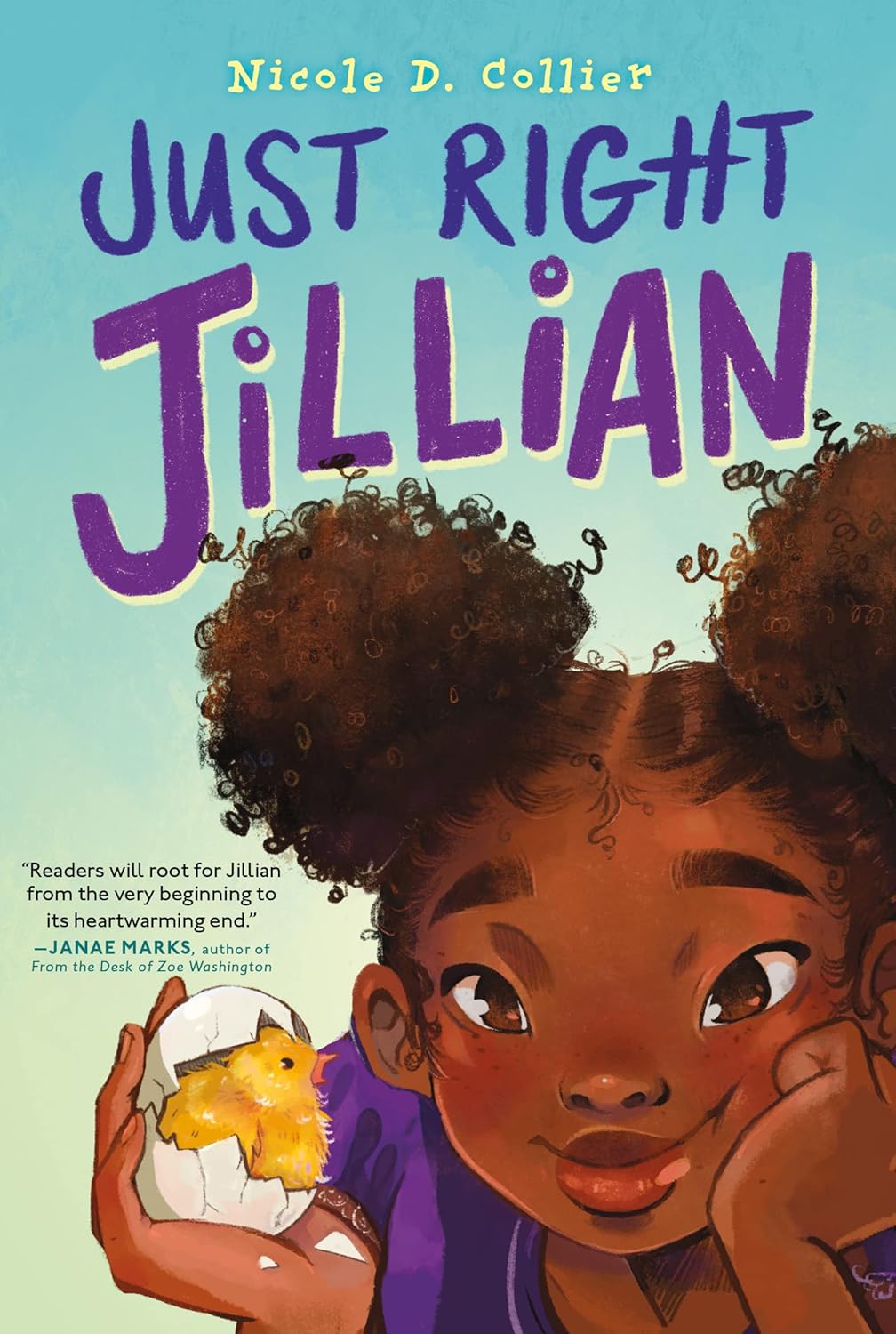
(NC) All the members of Authorcade were debut authors in 2021. Collectively we called ourselves #21ders. Officially, I was a Fall 2021 debut, but Just Right Jillian was released in February 2022. That wasn’t due to COVID as many assume; it was simply that “Fall” meant everything from August to February! I didn’t discover this until I had already bonded with the other #21ders! After I joined the #22debuts group, I kept in touch with my original debut buddies.

(VP) Though getting published for the first time was one of the highlights of my life, so was meeting a bunch of absolutely wonderful kidlit authors who were also getting published in 2021. A few of us really hit it off and formed Authorcade, hoping to spread a love of reading to middle grade readers everywhere!

Why do you think it is important to write for the middle grade audience?

(NC)  “Young people are trying to discern who they are vs. who they want to be, and how to bridge the gap between the two. My stories are right in that gap. It’s special to create art that edifies and delights the next generation, and as a former teacher (and the daughter of a school librarian) I can’t overstate the importance of literacy at this (and every) age.”

(RH) “For me, this was my “golden era” of reading—when I really began connecting to characters and getting lost in the stories, so to me there is just something magical about middle grade. This was the age I sort of pushed myself, I wanted to try reading something a little scary, or a little sad. Middle grade is an amazing place for discovery and optimism—it’s just my favorite place to be. To now put my books out there for this age is a mind-blowing honor.”

 (VP) “The most important, foundational, life-changing books I read were during my middle grade years, and as a teacher I noticed that it was true for many of my students too. Middle grade minds are open, curious and ravenous for story. And if I can help them turn into bookworms for life, that feels like the greatest job of all!”

What have you learned as you have met with your readers?

(NC)  “I love hearing the connections kids make to stories, sometimes in really unexpected ways. As a result, visits always remind me to be open to possibility.”

(RH) “Middle grade readers have the best questions for writers! So many readers I talk to are interested in writing their own stories, so they ask a lot about the writing process. They also like to talk about some of the critters in my book—mice, snakes, spiders, and how I researched all those things. I have found that our conversations are so great and we never seem to have enough time!”

 (VP) “I’ve learned that middle grade readers read deeply, truly understand your characters, and connect on a deeper level with a book than most other audiences. They also ask the most interesting questions. I’m constantly floored by the questions they ask me.”

What message do you have for librarians (and all educators)?

(NC) “At the core, your work is really about helping people of all ages become their best selves. Everything that counts can’t be counted, but everything you do truly matters. Thank you!”

(RH) “As authors, we are typically in awe of the work you do! We supply the material, but it takes educators to place the right books with the right students and encourage and support their reading journey. You are all superheroes and we appreciate you beyond measure.”

 (VP) “It’s both harder and more important than ever to give kids a chance to fall in love with reading before screens vie for all of their attention. Godspeed.”

What message do you have for your readers?

(NC) “Seeds of change are planted every time you read a book. Keep reading, and watch your life bloom.”

(RH) “My readers are usually with me because they love adventures and creatures of all kinds. I would say to them, “There is a story in every forest, every park, every backyard—if you use your imagination, you will find it!” 

(VP) “Thanks for reading, for reaching out, and for asking such inspiring questions! I’m so excited for you to read a very different book I have cooking, which should be out next year!”

I am looking forward to seeing where Nicole, Rina, and Victor’s writing journeys take them in the future!  Their readers are, too!

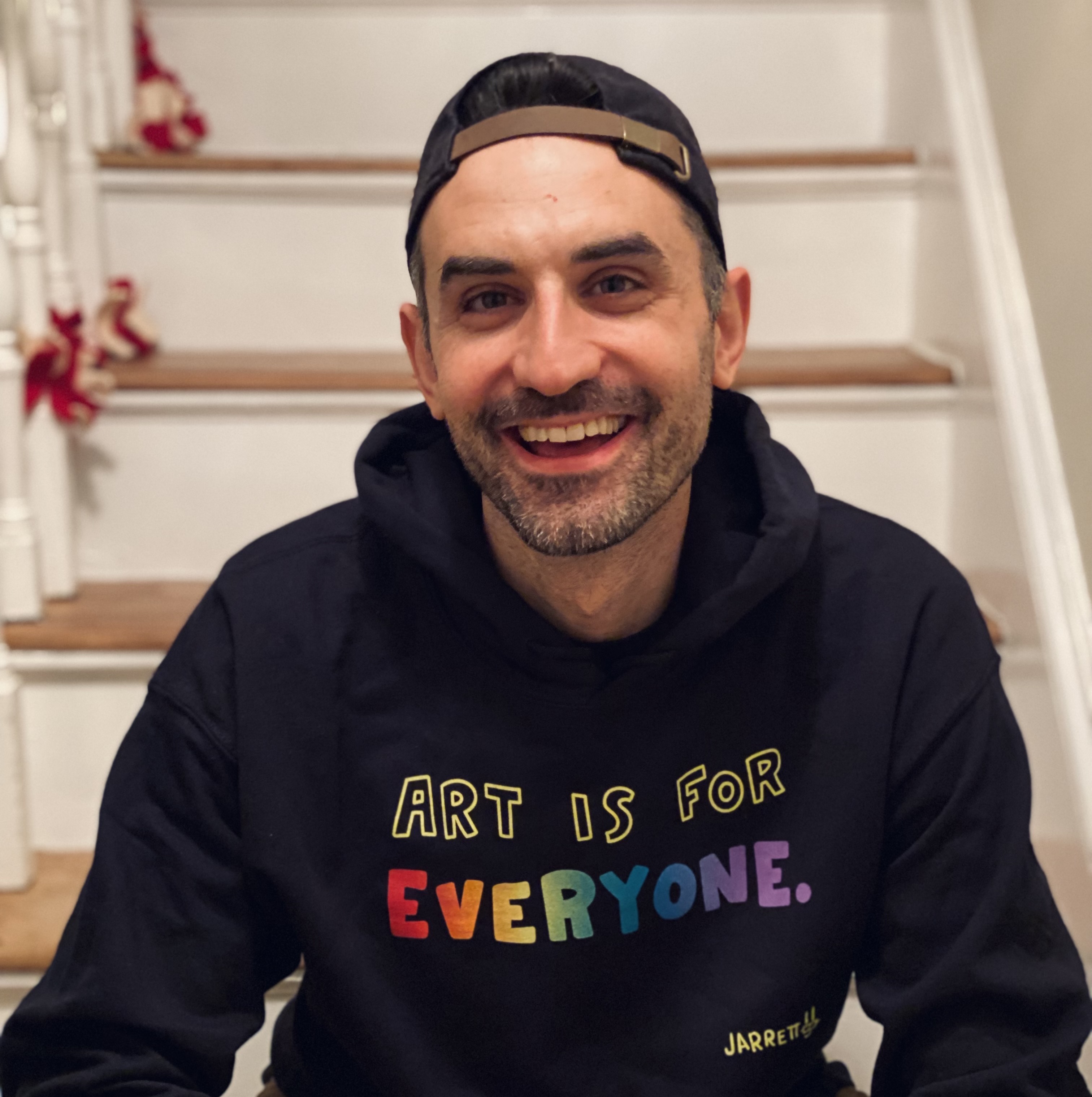
Thankfully, We’re All Works in Progress!

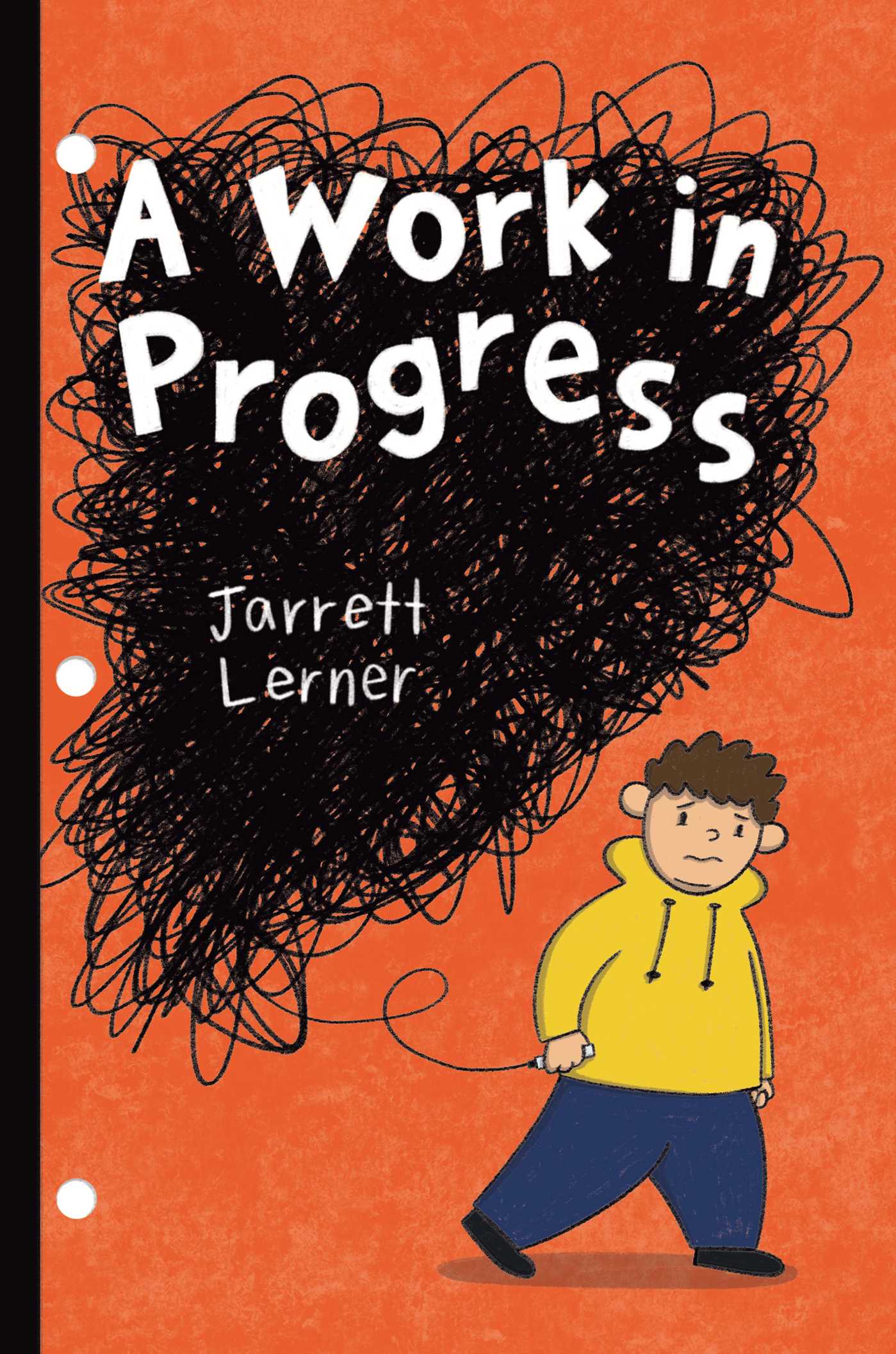
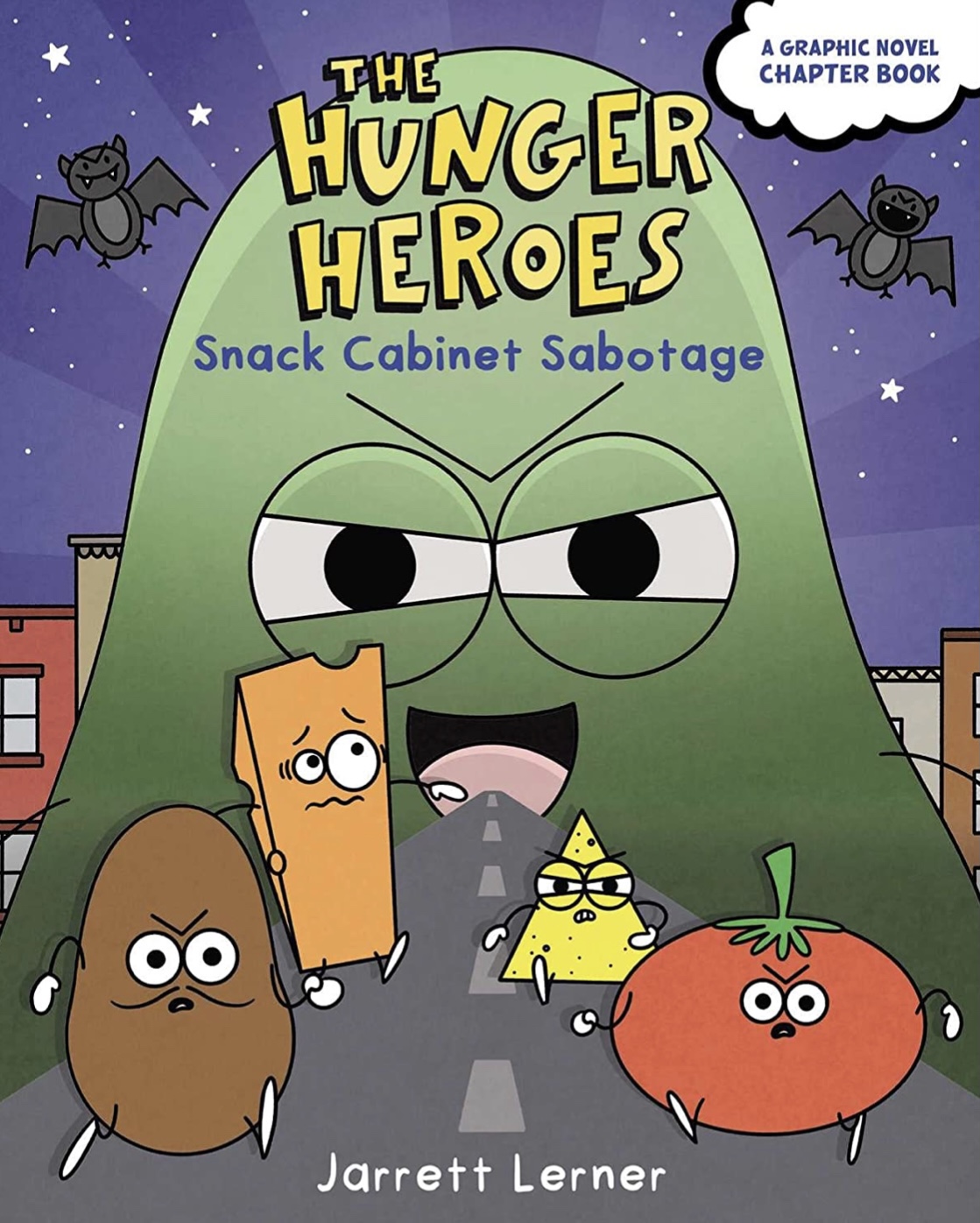
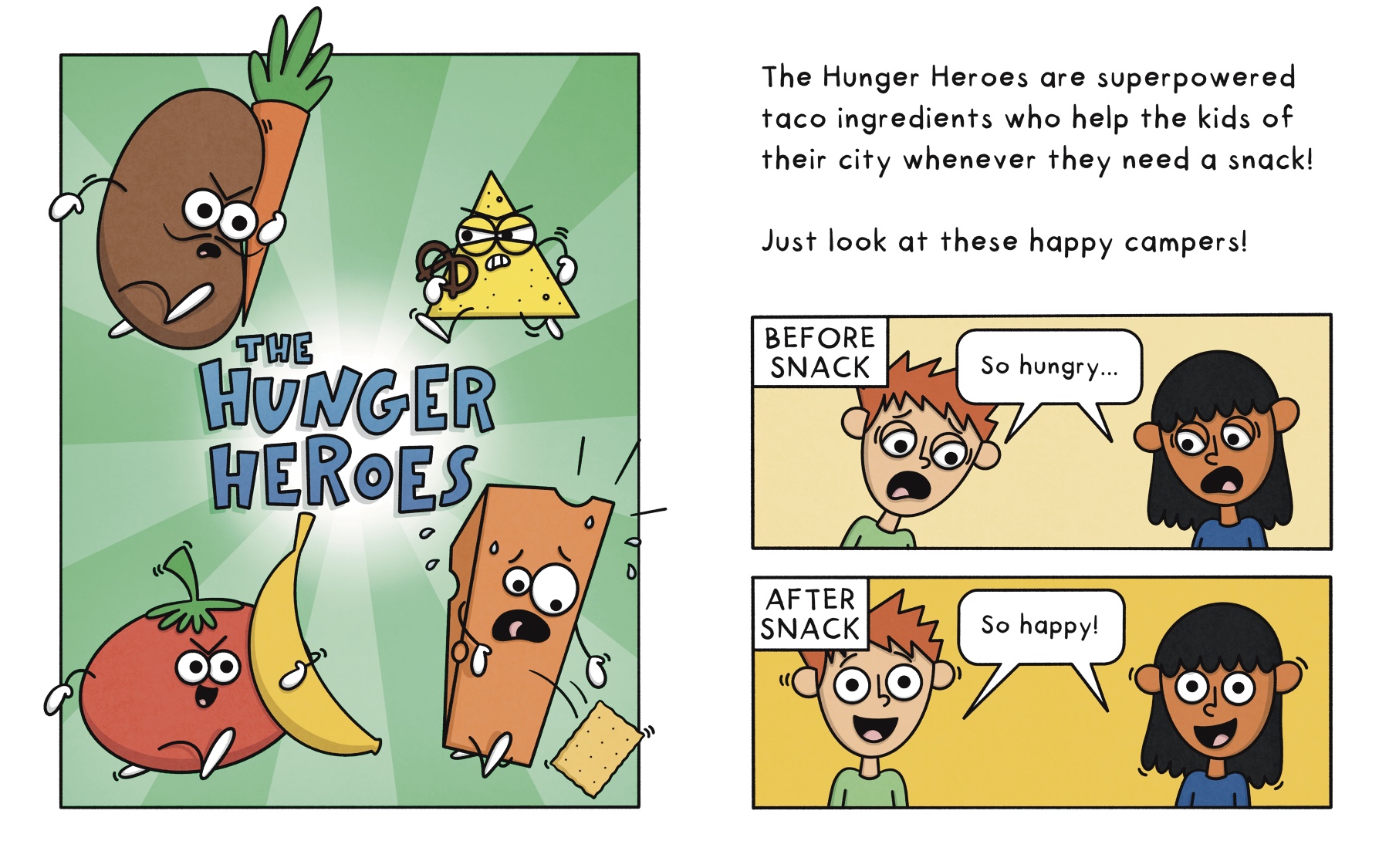
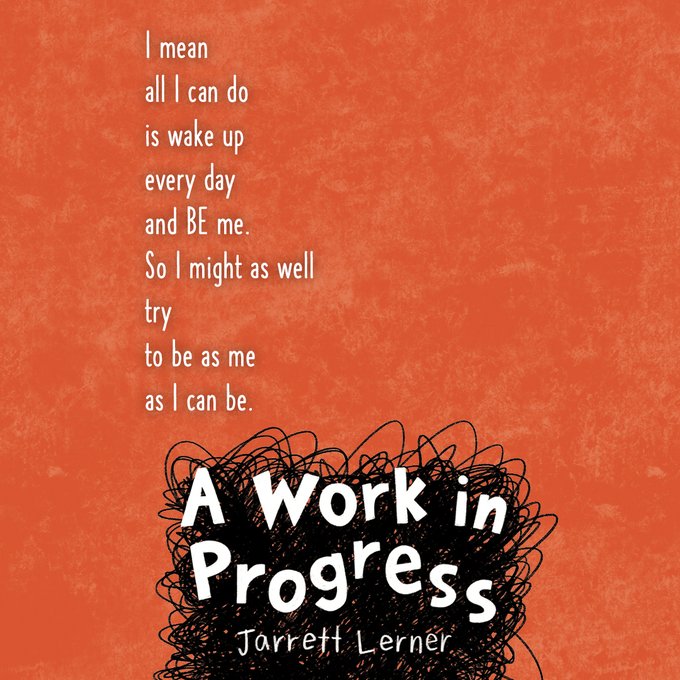
I caught up with Jarrett Lerner who is one of our many wonderful featured authors at the 14th Annual Gaithersburg Book Festival on May 20th.  He is a prolific children’s author, having published five books in the past eight months: The Hunger Heroes: Snack Cabinet Sabotage (October 2022),  Nat the Cat Takes a Nap (January 2023), Goes for Gold: Geeger the Robot (April 2023),  Nat the Cat Takes a Bath (May 2023), and A Work in Progress (May 2023).  His other middle grade series, EngiNerds and his unpublished eBook Knights of the Kids’ Table round out his book family.

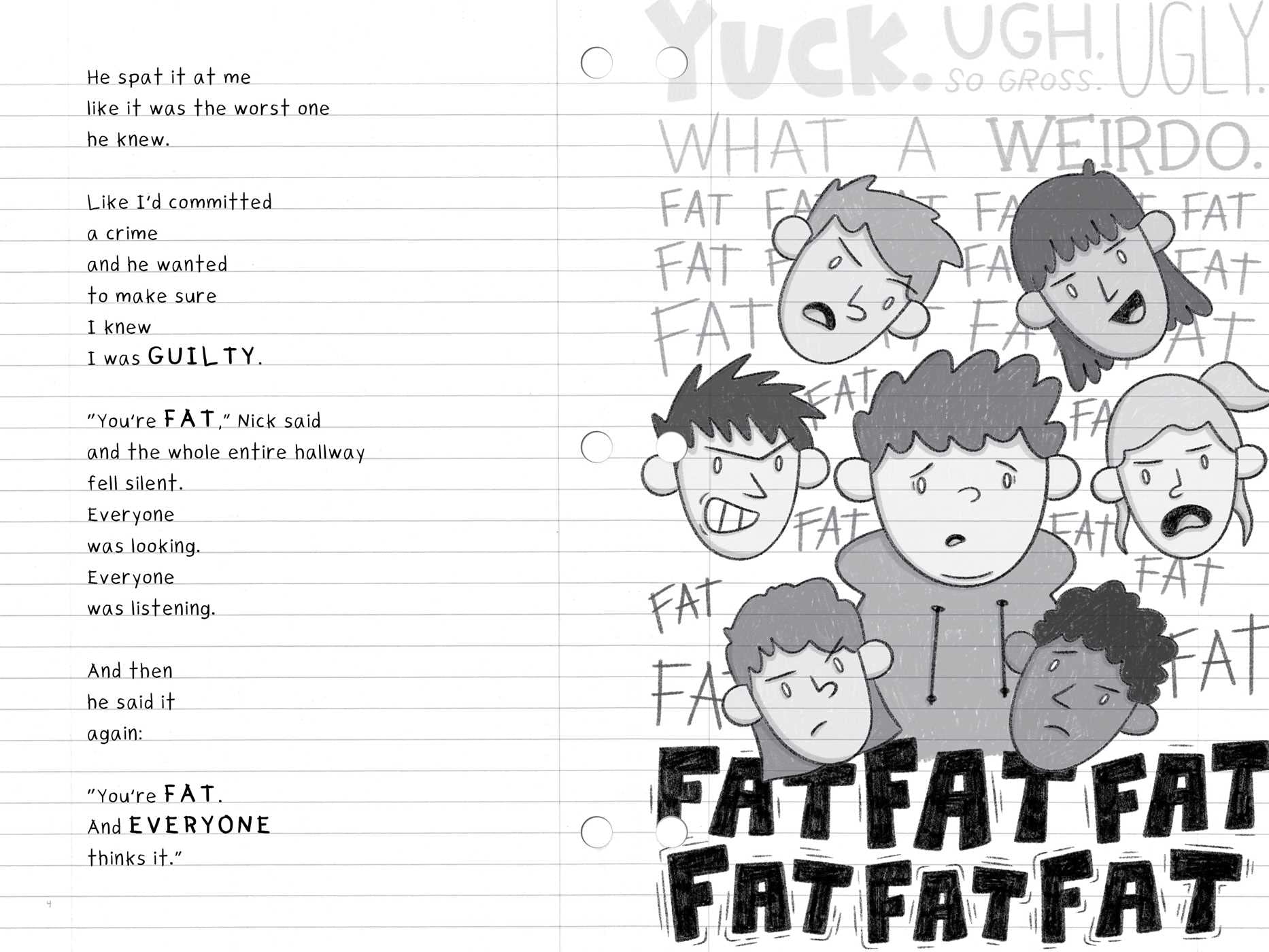
 A Work in Progress is about a “boy who struggles with body image in this poignant middle grade journey to self-acceptance told through prose, verse, and illustration.”  I am so thankful that Jarrett wrote this book – there are too many kids who need to read it because they are struggling with their negative self-image and self-talk. Both the kids who say mean words to others, and the ones who are the recipient of those mean words – they need to read this book.  And discuss it. Together. He shared a powerful message in a very accessible way.

Jarrett will be presenting A Work in Progress in a panel discussion with Janae Marks (On Air with Zoe Washington), and John David Anderson (The Greatest Kid in the World)  in the Jim Henson Pavilion, beginning at 1:15 pm (yours truly will be moderating the conversation).

He will also present his graphic novel chapter book, The Hunger Heroes: Snack Cabinet Sabotage with Jonathan Roth (Rover & Speck: This Planet Rocks!) in the Graphic Novels and Workshops Pavilion beginning at 11:15 am.

I hope you enjoy my interview with the kind-hearted (and witty) Jarrett Lerner.

Who encouraged or inspired you to become an author/illustrator?

I was first inspired by becoming a reader, and finding books I loved and connected with. That’s still one of my greatest inspirations. And when I finally realized that I actually COULD attempt to become an author-illustrator — like, as a JOB — I had boatloads of encouragement from my family and friends. I couldn’t have done what I’ve done and continue to do without them.

What is your writing space like? Your art studio?  

I’ve got a space at home that I use. It’s full of natural look, great books, and my kids’ artwork. And while I love creating there, I also make sure not to get TOO attached to it or any of the conditions I can reliably create there. To have a job doing what I do, I need to be able to be productive and occasionally even creative on demand, and often that means when I’m AWAY from my studio space. That being said, I love it there.

What do you love most about the cover art and illustrations in your current books? 

The cover art for a book is the illustration that you usually spend the most time and energy and thought on — and that you usually discuss most extensively with your publishing team. I always tell kids that the advice “don’t judge a book by its cover” is great advice for everything BUT books. Because we put so, so, SO much time and energy into making those images just right, so you’ll get a very particular idea about what the book’s going to offer you. I’m pleased with all my covers, and think they do a good job letting readers know what’s in store for them if they actually pick up the book and give it a read.

Can you speak to your creative process?  Do you write the words first, or sketch out the panels or pages?

Regarding my process — no matter how the book looks in the end, it always begins in a notebook, and I both write and draw. My first drafts are a mess, a mix of words and pictures, usually only half-formed. It’s an “idea dump,” and once I’ve gotten everything out of my head related to the story, the characters, and the world they inhabit, I go back through the notebook and try to clean up the mess, tidy it into something that looks like a story — or even just scenes or moments. From there, I’ll try to put together a draft, and at that point I usually get a sense of how the story will best be told — mostly text and occasional illustrations, as a graphic novel, or as some kind of hybrid. For me, that’s how I make the decision: I choose the form that will tell the story in the best way for my intended readers.

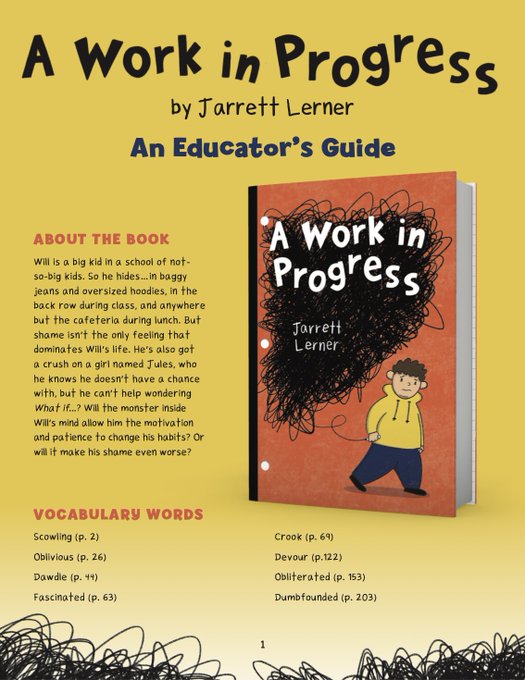
Do you have a discussion guide for A Work in Progress, and if so, could you share with me?

The AWIP Educator Guide just became available, and was created by Carrie Friday, a library media specialist in Florida.

Your two books are very different – for each of them, who is the reader you are writing for?  Please describe them, and what you hope that the reader will learn.

They are different, but they have similarities for me, too. I try to make books that kids both want and need. My youngest readers, who are just learning how to read, are going to want and need something different than my older readers, who are in middle school or high school. But focusing on my readers, giving them what they want and also what I believe they need (even if they don’t realize it!), is what guides me and has yet to steer me wrong.

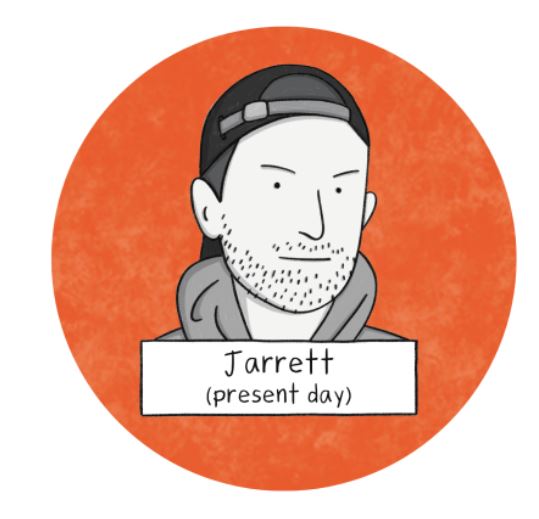
In the sketch of yourself on the author’s page and the dust jacket you look so serious or troubled – maybe even a little angry, but in every picture of you I see on social media, you have a big, happy smile.  Why did you sketch yourself that way? What message are you giving us?

A Work in Progress is largely autobiographical, and toward the end, Will talks about how he still has bad days, days when he isn’t doing all that great. I think that’s an important point to make (I explore it in my third Geeger the Robot book as well). There is a lot of intentionality behind my author portrait for the book, including that expression. I wanted my readers to know that while I’m usually happy and full of positive energy, I still have bad days, like everyone — days when, like Will, I just want to hide in a hoodie and stay in bed.

Do you think there will be a second book about Will?

I’m not sure! I’d like to revisit Will, a couple years down the road. Lately, I’ve actually been thinking about writing a story from one of the minor A Work in Progress character’s perspectives. We’ll see!

What is something that you really want your readers to know about you?

I have lots of hobbies and passions that have nothing to do with books or making them, and I think that’s hugely important if you want a career making books. I love skateboarding, I love cooking and going out to eat, and more recently, I’ve fallen in love with Formula 1 racing.

Which book review or award has been most meaningful to you?

The reading association of my home state, Massachusetts, once gave me an award for being a “champion of literacy” in our community and the country at large, and that was deeply meaningful and hugely rewarding to receive.

What are you most looking forward to at our book festival?

Meeting all the young readers!

Additional Resources

Donuts, Pizza, and Fortune Cookies (oh, yum!)

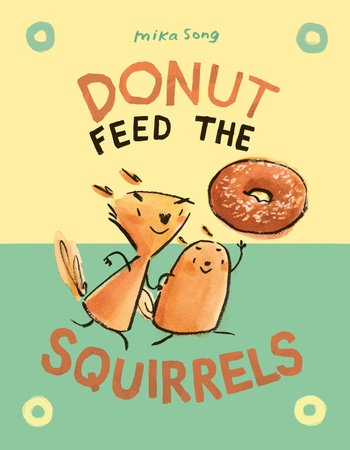
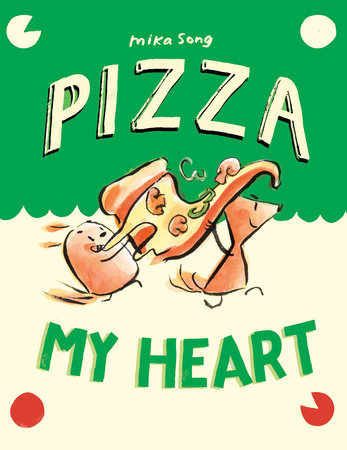
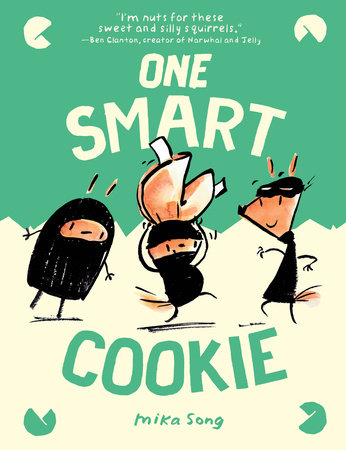
I love being a school librarian for many reasons, but the most important one is that I get the opportunity to introduce my readers to interesting and talented authors and illustrators – and Mika Song is one of them! Donut Feed the Squirrels and Pizza My Heart are a popular choices in my elementary school library, and rarely stay on my bookshelf for long as they are in the hands of another enthusiastic reader. Norma and Belly’s next adventure, One Smart Cookie (August 2023) is going to be equally as loved!

Mika Song is a featured presenter at the Gaithersburg Book Festival on May 20, 2023, and will be sharing Pizza My Heart (A Graphic Novel).  She and her friend, Isabel Roxas (The Adventures of Team Pom: The Last Pom (Team Pom Book 2))  will be presenting their books and leading a workshop together entitled, “Sticky Situations”, at 1:15 pm in the Graphic Novels and Workshops Pavilion.

I hope you enjoy my visit with Mika Song!

Who encouraged or inspired you to become an author/illustrator?

My father is a photographer and my mother is a magazine editor and they both encouraged me to draw and write. My grandmother was a writer and jewelry designer. As a kid I loved visiting her tiny bedroom where she worked with her many art supplies, typewriter and crafts books. I still remember her showing me how to put a watercolor wash around a figure to make a drawing look more cohesive. I realize I still use that trick all the time. I learned so many things that I am not even conscious of from her.

What is your writing space like?

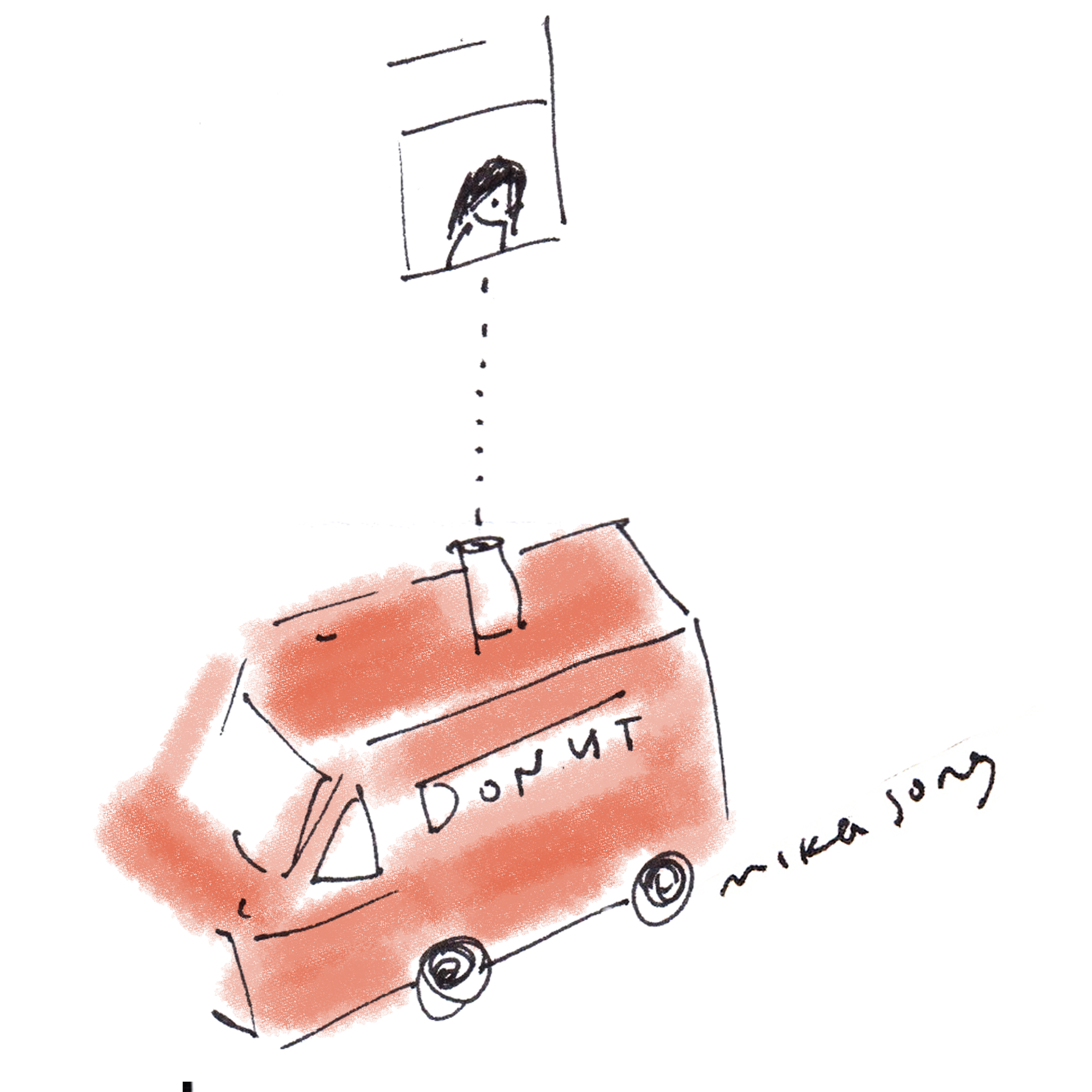
My work space is a big desk in the corner of my bedroom next to the window with a good view of the street. I can hear the train and people walking by. I get many of my ideas this way. The plot of my early-reader graphic novel, DONUT FEED THE SQUIRRELS, came to me when I was working at home and I smelled something delicious outside my window. On the street below me was a donut truck, CARPE DONUTS. I imagined a hungry squirrel jumping into the chimney of the truck from a tree branch above.

What do you love most about the cover art and illustrations in your current book?   Describe your art style and your art process.

The thing I love most about my Norma and Belly covers is that each title mentions a specific snack. Patrick Crotty, the designer at RHG, came up with a really fun way to design the cover so it looks like a pizza box but also still fits in with the template of the previous books in the series. I like that the squirrels are eating while running with the pizza because it is such a New York thing to eat your pizza while walking.

I think my art style for these books is approachable to a young reader. The characters are composed of a few expressive handmade lines and shapes that are not always perfect or regular but fun and lively.

Who is your favorite character in your book and why?

My favorite character is Belly the squirrel because she doesn’t let things get her down. She keeps her eyes on the donut, not the hole. She’s a breeze to draw and always cute. Most of the time I am actually like Norma, always thinking about some plan or worrying about the future.

How (or in what ways) do you hope librarians will promote your book?  

Librarians have been helpful in getting my books to young readers. I remember during lockdown in 2020 watching a librarian do a read aloud of DONUT FEED THE SQUIRRELS which had come out very recently. Even though they are graphic novels for independent readers, I hope they get shared as read alouds too. One student told me it only takes 13 minutes to read all the chapters. 

I draw new Norma and Belly comic strips once a week on SundayHaha.com, a free comic newsletter by KidLit creators, that is another way to share the world with readers. I think it’s a good resource for librarians running comics clubs and makerspaces. I hope it shows the diversity of the comics format.

Who is the reader you are writing for?  Please describe them.

My reader is anyone who is having a long day or work at school and just wants to sit in the trees of Fort Greene park with Norma, Belly, Gramps and Little Bee and imagine a world where the only thing that matters is a donut guarded by a very uptight food truck seller.

What is something that you really want your readers to know about you?

One thing readers should know about me is that my next book in the Norma and Belly series is coming out on August 8, 2023. It is called ONE SMART COOKIE. It takes place partly in a fortune cookie factory and we learn something important about Little Bee. It was fun to make this book because I learned about the history of the fortune cookie and its significance in Asian American history. I also learned while working on the book that my grandmother’s first job as a young adult was typing up fortunes for fortune cookies.

Another thing readers should know about me is I enjoy getting letters from them.  Write to me at

Mika Song, PO Box 4594, Sunnyside, NY 11104.

Which book review or award has been most meaningful to you?

One of the first honors Donut Feed the Squirrels received was from the Texas Library Association’s Children’s Round Table. They put it on the 2021 Little Maverick Graphic Novel Reading List. I didn’t know about the list at the time because graphic novels for kids were not as popular. It made me happy to see that librarians love comics for kids and that my book was one of their favorites.

What are you most looking forward to at our book festival?

The thing about the Gaithersburg Book Festival that I am most looking forward to is drawing with my friend Isabel Roxas (THE ADVENTURES OF TEAM POM) and the kids. I just never know what will happen when we draw together. And making up comics with kids on the spot always makes me see new things in my work.

What message do you have for your readers?

My message to readers is life is beautiful – stay curious about the world around you so you don’t miss anything fun.

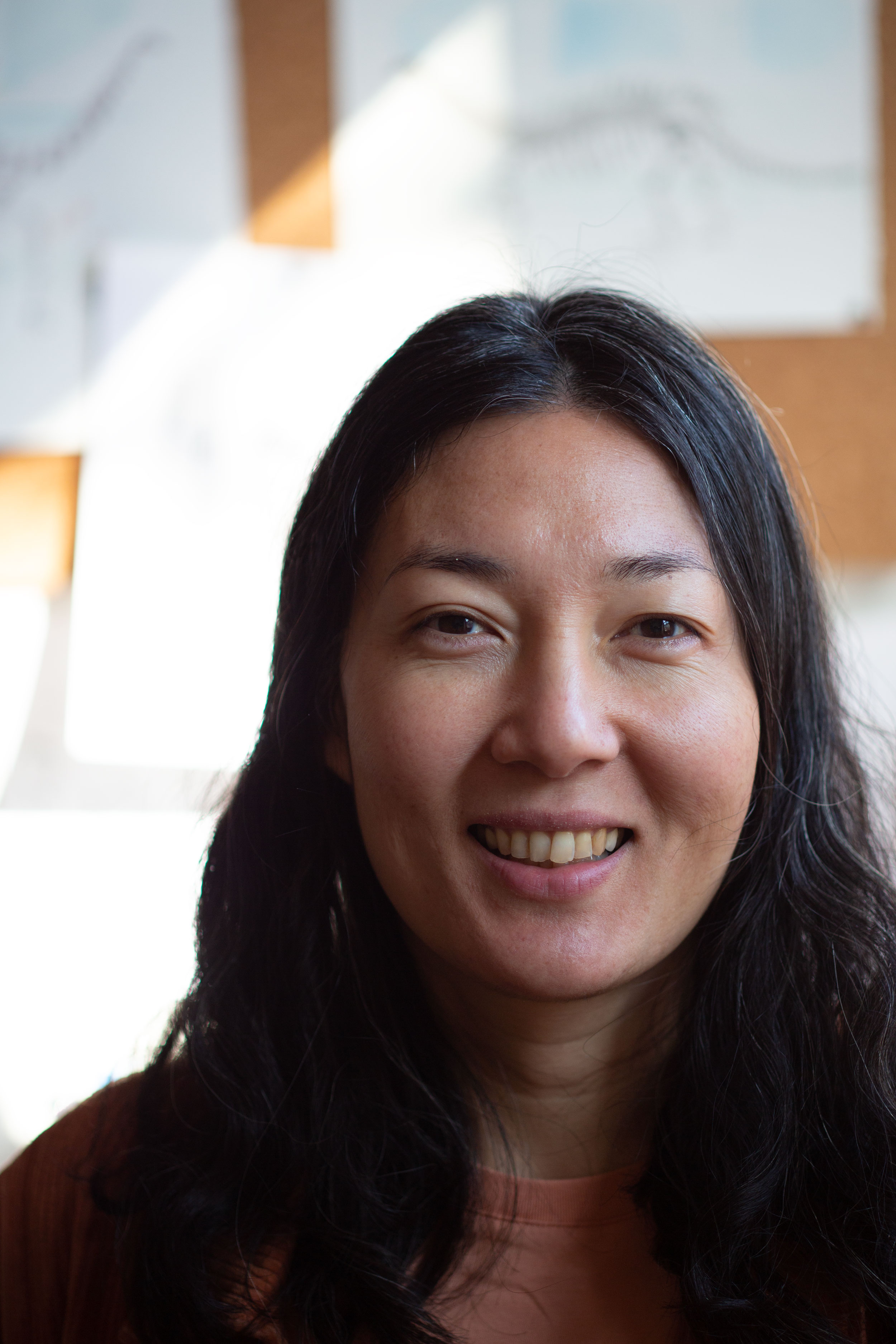
Credit: Jae H. Song

Want to learn more about Mika?

Elena Reads and Reviews: With the Stroke of Her Brush, Mika Song Brings Diversity to Books

Get to Know … Mika Song!

Mika Song Draws author website

Mika Song Printables – fun for kids (and adults!)

Sunday Haha

TeachingBooks

Jump into Line with Susan Stockdale

Susan Stockdale is one of the kindest, joyful, and encouraging people I have met in children’s literature. I discovered her books several years ago, and in 2019, invited her to lead a workshop at the 10th Annual Gaithersburg Book Festival. Her workshop, “Let’s Create Fabulous Fishes!”, based on her nonfiction picture book Fabulous Fishes, was a popular one, and the young participants left as happy as their bright and beautiful fishes. I had also featured her on my blog and asked her to discuss her research and creative process – Exploring the Amazing Natural World with Susan Stockdale.

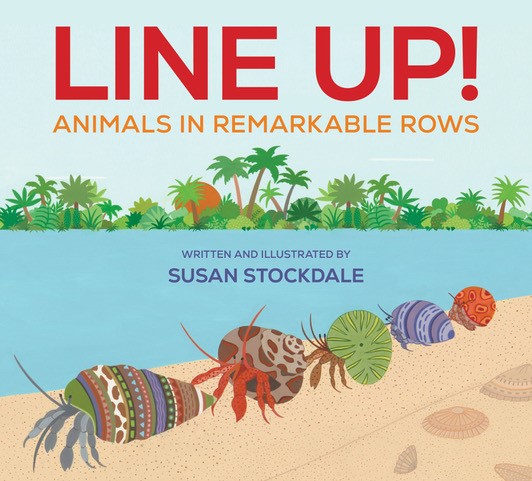
At the 14th Annual Gaithersburg Book Festival, Susan will be presenting her most recent title, Line Up! Animals in Remarkable Rows along with Jennifer O’Connell (Elephants Remember) at 10:15 am in the Jim Henson Pavilion.  She will also lead a children’s workshop, Let’s Create Animals at 12:25 pm in the Graphic Novels and Workshops Pavilion.

I hope you enjoy my interview with the talented author-illustrator Susan Stockdale!

Who encouraged or inspired you to become an author/illustrator?

My mother, a published poet and master of rhyme, inspired my love of language. Her profound influence is reflected in how I write my picture books: entirely in rhyme!  My mom also encouraged my interest in drawing pictures.

What is your writing space like?

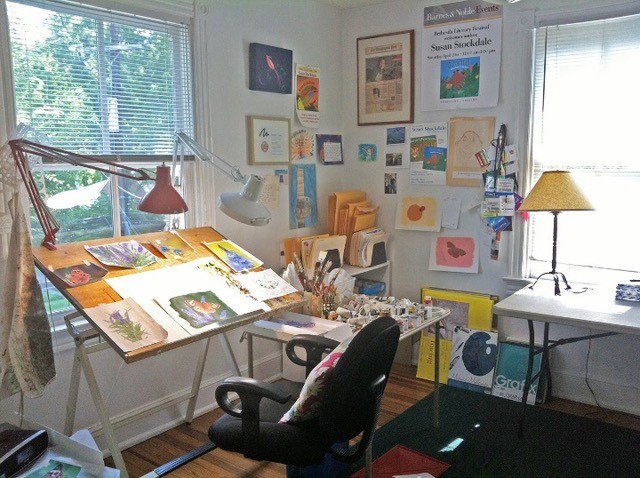
I both write and paint in my home studio. It’s a cozy, cheerful space that’s flooded with natural light.

What do you love most about the cover art and illustrations in your current book?  I’m happy with the quirky hermit crabs on the cover, which support the book’s theme in a fun and surprising way. It was a joy to express my passion for color, pattern and design in depicting the book’s different animals and habitats.

Describe your art style and your art process.

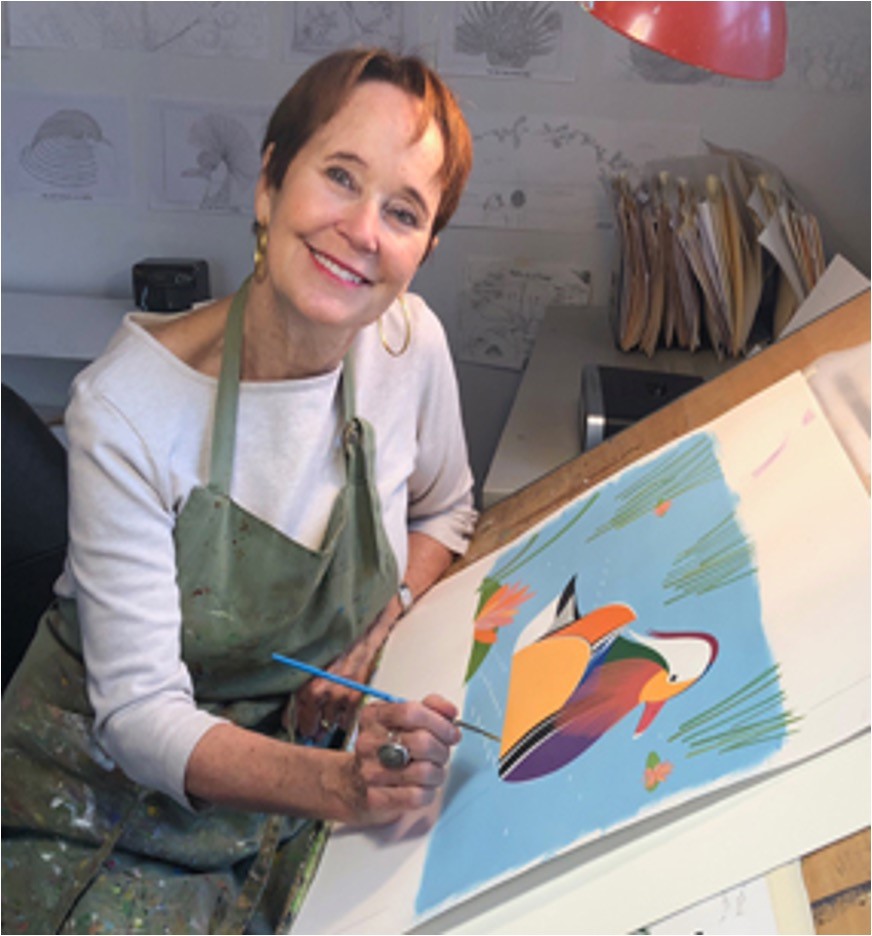
I consider myself a stylized realist. Using photos as visual references for my subjects, I create many sketches for each image and select the one I like best. I revise that sketch into a detailed drawing and transfer it onto paper. Then I apply three or more layers of acrylic paint to create my final illustration.

What information surprised you most during your research?

I knew that hermit crabs use abandoned sea shells as their home, but I wasn’t aware that when an empty shell washes up on shore, some crabs line up according to size and swap shells. This is the kind of unusual behavior I was excited to share with kids.

How (or in what ways) do you hope librarians will promote your book?  

I’d be thrilled to learn that librarians share Line Up! with children interested in learning about animals and nature. Teacher’s Guides are available on my website (www.susanstockdale.com) for all my books. The guides suggest dynamic activities that incorporate language arts, visual art, science, movement and more.

What do you hope your readers will learn from reading your book?

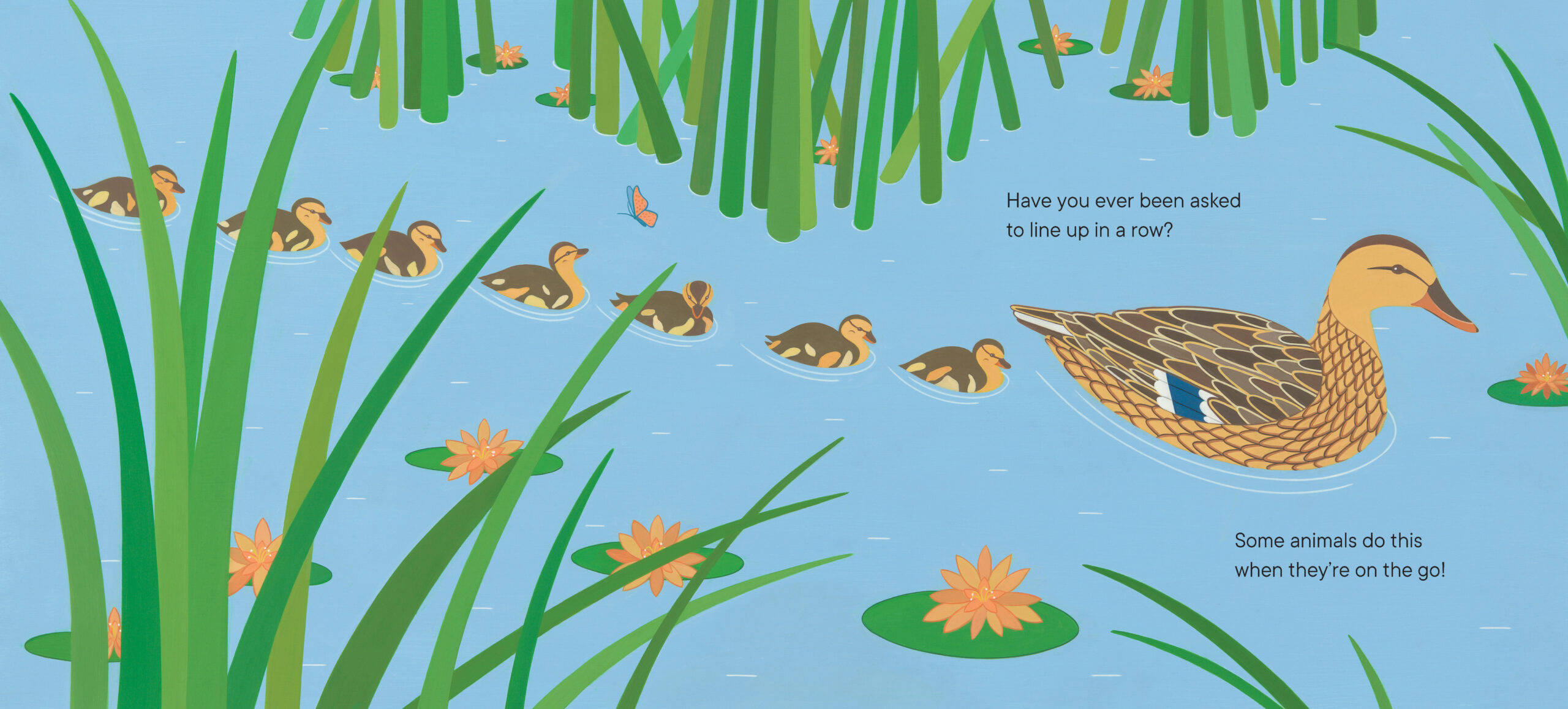
I hope the various line formations I depict in Line Up! spark children’s interest in animal behavior and science – and that my bold and graphic images fill them with a sense of wonder about our natural world.

Who is the reader you are writing for?  Please describe them. 

Because animals are so different from people, children are naturally curious about them and benefit from developing an understanding of them. I create my books to open their eyes to the marvels of nature.

What is one (or more) thing(s) that you really want your readers to know about you?

 I spend a lot of time consulting with scientists to make sure I convey factually accurate information in my books. I make many mistakes in both my writing and illustrations before they correct my work. I’d like kids to know that creating anything worthwhile in life takes diligence, humility, and patience.

Which book review or award has been most meaningful to you?

Though not a review or award, a mother wrote to me that her nine-year-old autistic daughter was so inspired by my picture book, Bird Show, that she created a fully illustrated, 32-page “humanized version” of it. She sent a copy of her daughter’s beautiful book to me. It was the most compelling affirmation of the positive influence of my picture books that I’ve ever received.

What are you most looking forward to at our book festival?

I’m very excited to attend other authors’ talks and run into author friends I haven’t seen in a long time.

What message do you have for your readers?

Play outdoors. Enjoy nature. Read a book and create one of your own! Kids often tell me that they want to become an author and illustrator when they grow up. I tell them they can be one now!

Additional resources:

Susan Stockdale’s Teacher Guides

TeachingBooks: Susan Stockdale

Articles:

Bird Show: An Extended Metaphor for Integrated Science and Literacy Learning

Design-A-Fish

Teaching Patterns to Infants and Toddlers

Understanding Difference

Susan Verde’s Celebration of Senses & Self

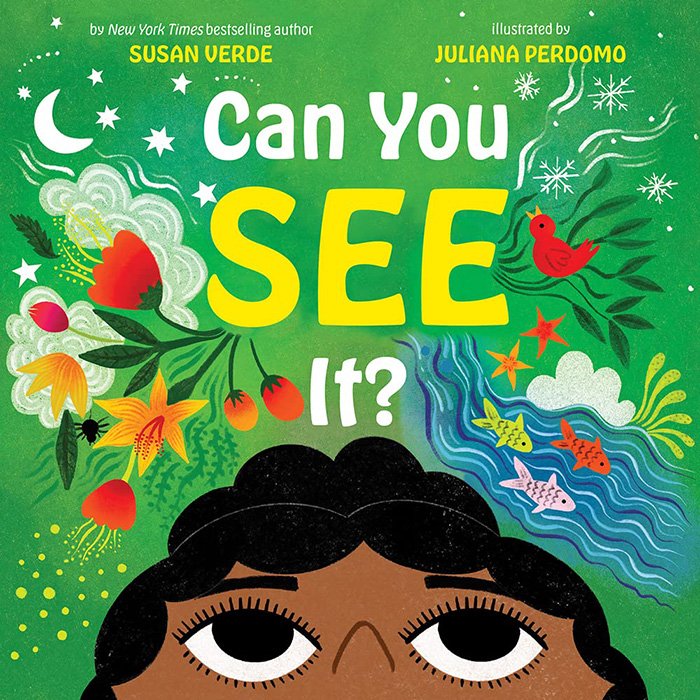
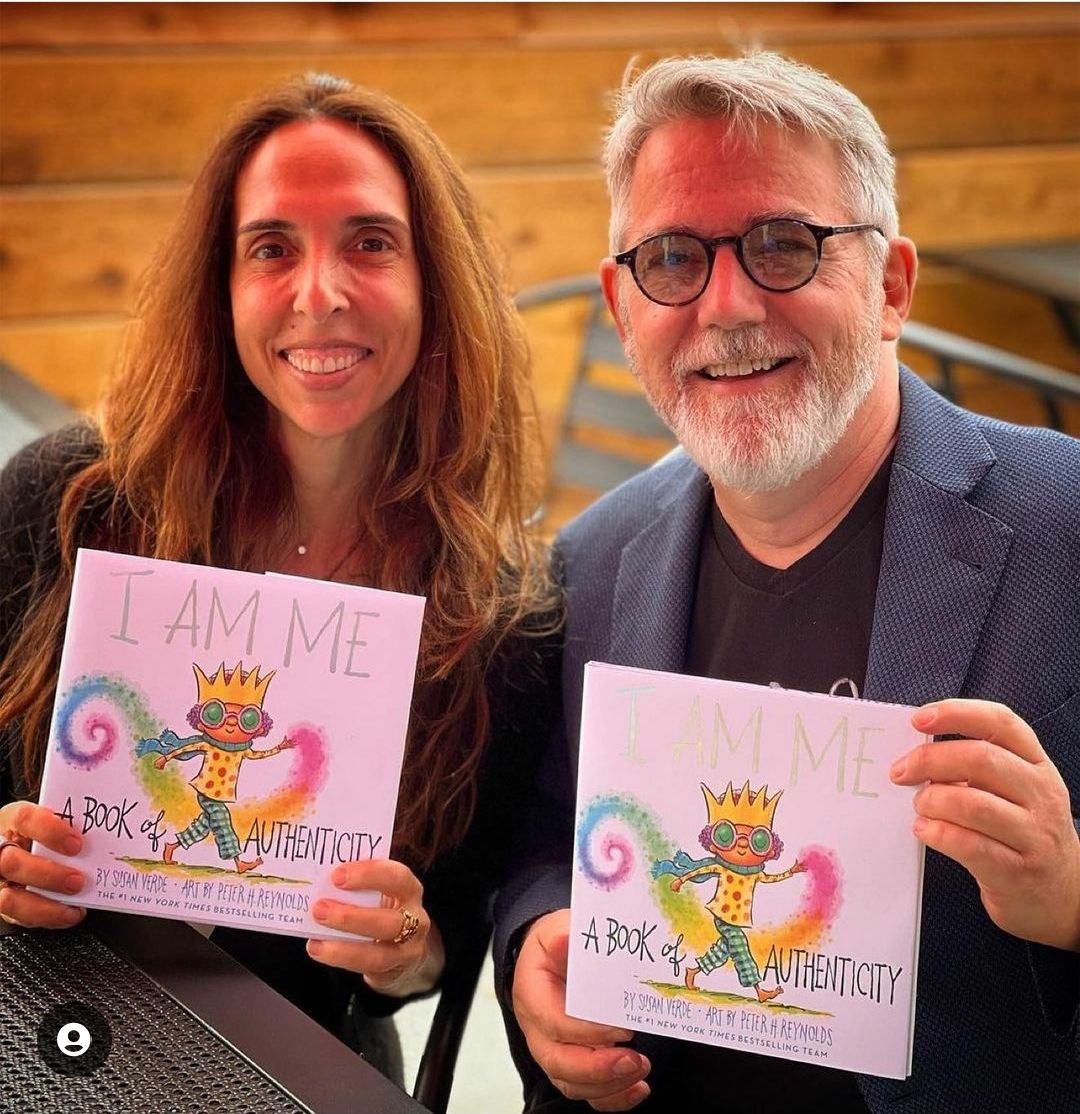
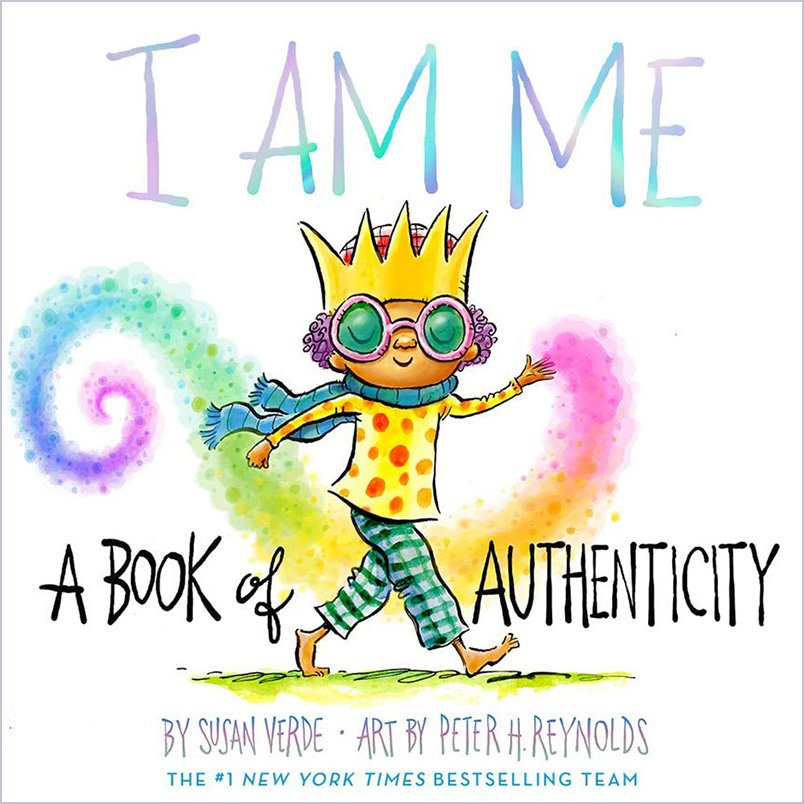
From the moment I first read I am Yoga many years ago, I fell in love with Susan Verde’s books, and have used many of them in my school library media lessons over the years.  The social emotional themes that flow through her books touch my readers, and me, in important ways. My students need to hear messages that affirm they are loved and celebrated just as they are – I am Me is a delightful, and much needed, book about authenticity.

When I teach a lesson based on a picture book, I teach from cover to cover, as described by Megan Dowd Lambert in the Reading Picture Books With Children: How to Shake Up Storytime and Get Kids Talking about What They See . Can You SEE It? is a perfect book with which to use this method – and my students were thoroughly engaged in my recent lesson about it. Discussing the difference between looking and seeing, discovering the hidden gems in the illustrations, and also pulling off the dust jacket to reveal a completely different hardcover were all part of the lesson.

Susan Verde will be a featured presenter at the Gaithersburg Book Festival at Bohrer Park on May 20, 2023.  She is presenting Can You SEE it? along with Beth Ferry and Tom Lichtenheld (The Umbrella) at 12:15 pm in the Jim Henson Pavilion, and I am Me: A Book of Authenticity with Carole Lindstrom (My Powerful Hair) at 3:15 pm in the Jim Henson Pavilion.

Who encouraged or inspired you to become an author?

Source: Susan Verde’s Instagram

Before I was an author, I was a teacher, and as you can imagine, I read and used lots of picture books to help my kids manage feelings and see themselves and to start discussions about feelings and all kinds of topics. I think it was those authors and the kids I was teaching that really inspired me to want to write for young children. As I had more things written, but nothing published, there were two people who really encouraged my journey. One was Emma Walton Hamilton, who ran the Southampton Children’s literature conference and had me take her picture book writing class, wholeheartedly supporting my desire to write. The other was Peter H Reynolds.  It was in his picture book writing workshop that I got the chance to share my work with him. He saw potential and asked to illustrate our very first book The Museum (this librarian is so very glad he did – it is delightful!). Being seen that way was a gift and motivated me to keep going. Along the way, I am constantly inspired by other book creators by the kids and educators I get to visit and buy my own children and the child within myself. 

What is your writing space like? 

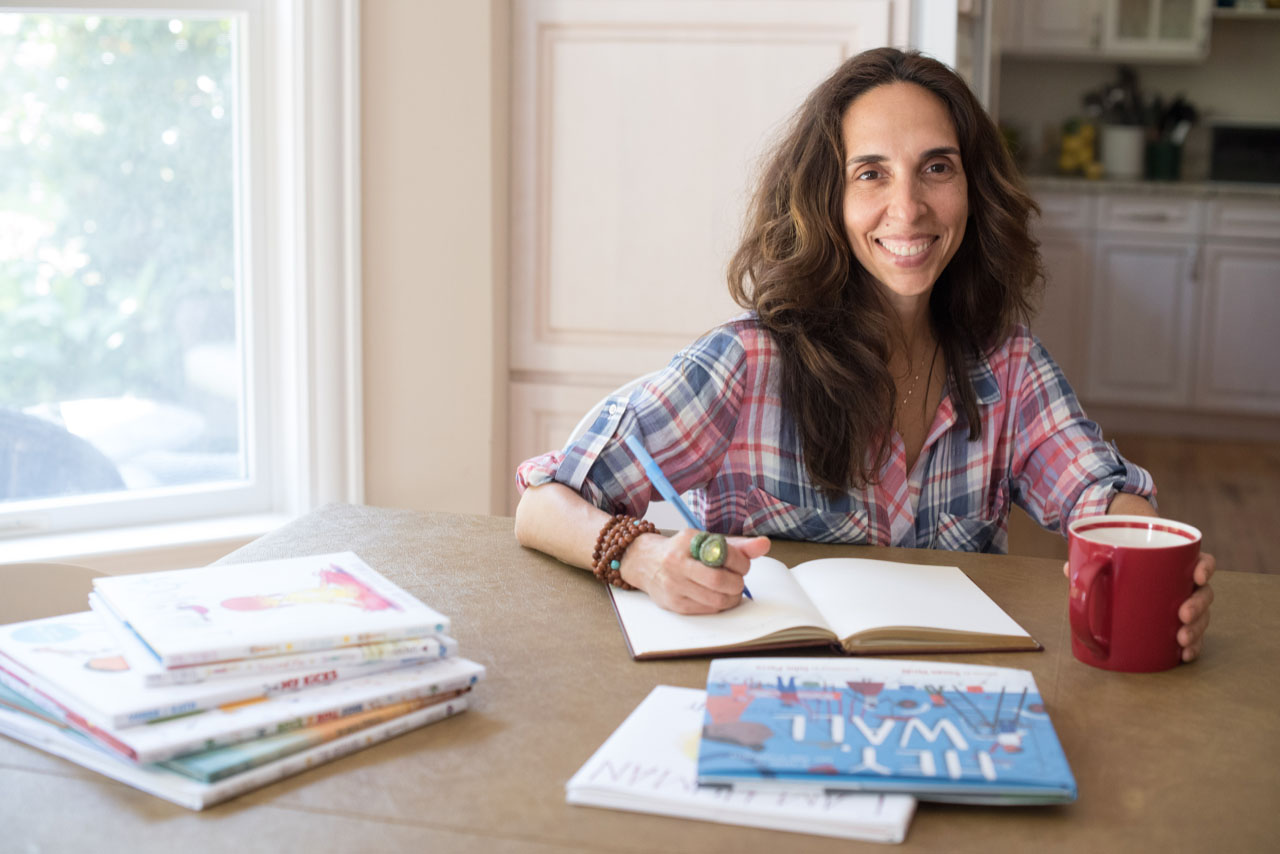
I have a little office space I made for myself in my home, where my animals and kids can come hang out with me while I write and where I feel most creative. It has framed artwork on the walls that my kids made when they were little and a big photo of water which is soothing. I also have shelves behind me on which I keep my books and that too keeps me going. 

Source: Susan Verde’s website

What was your inspiration for Can You SEE It? and for I am Me: A Book of Authenticity?

I am always looking to find ways to encourage readers to slow down and really savor the beauty and wonder around them. I feel like we all are moving so fast, and we forget to be in our experiences and connect with ourselves and the world. It felt like taking a deeper mindful dive into our senses might be a wonderful way to find this connection. Can You SEE It? Is the first in the Sensing Your World series and explores the many ways we can be present and tune into others and ourselves. It is something I am always practicing myself.  

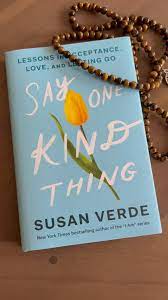
Can you tell us about your essay collection, Say One Kind Thing? What was your inspiration for writing this nonfiction book for adults?

This book is really about my continuing journey to change my inner dialogue from negative and unkind to supportive and kind.  I realized as I was talking to students and educators and parents about mindfulness and caring for ourselves that it might be important to share my own process and how I try to care for myself. I wanted to openly share my experiences without telling anyone what to do but rather express what has helped me and what I am still working on, in the hopes the reader will feel seen and supported. 

What do you love most about the cover art and illustrations in your current books?  

I love the illustrators I get to work with. They are incredible and inspiring. The cover art from Can You SEE It? and that from I Am Me is quite different, but what it shares is magic. Juliana Perdomo’s cover art with a child and their big beautiful inquisitive eyes just brings me right into the moment and that sense of seeing. Peter H Reynolds’ covers always capture the essence of the story and make every child feel seen, and make me feel seen because our intentions are so aligned. Both of these covers fill me with joy! 

How (or in what ways) do you hope librarians will promote your books? 

Librarians don’t need any guidance from me as they are brilliant and know best how to connect kids and books. That being said, I hope these books will be used to help students feel seen, feel connected and learn to embody empathy and compassion and a sense of wonder. They are great books to include in SEL curricula as well as mindfulness. 

Who is the reader you are writing for?  Please describe them.

I really am writing for everyone. I know these are picture books geared towards a younger audience, but the magic of picture books is that they take big concepts and break them down so everyone can understand and explore them. I am writing for the reader who is interested in considering their inner and outer worlds which again, to me, is everyone. 

What is something that you really want your readers to know about you?

All the things I talk about in my books are personal to me. I am practicing my own mindfulness; my own self-care and each book has a piece of my heart in it. Also, I was a kindergarten teacher for many years and feel very connected to educators and elementary students. 

Which book review or award has been most meaningful to you? Although being a New York Times bestselling author is huge and incredibly meaningful, more than any award is the feedback I get from students and educators about how the books have helped or inspired or supported them. To see a librarian or teacher share the books means the most. 

What are you most looking forward to at our book festival?

I am so excited to be under the same roof as so many brilliant book creators and librarians. Being around book lovers and those who understand the importance of books and representation and self-expression are the BEST people to be around. I can’t wait! 

What message do you have for your readers?

My message is to keep reading, whatever that looks like for you. Keep loving yourself and being and celebrating who you are. Know that your own story is important and that YOU are important. 

Please visit https://www.susanverde.com/ to learn more about Susan and her books, and visit https://www.gaithersburgbookfestival.org/ to learn more about the 14th Annual Gaithersburg Book Festival.

Additional book resources:

*Abrams Books For Young Readers: “I Am Me” Activity Sheets

*Abrams Books For Young Readers “I Am” Teaching Guide

*Author-Illustrator Peter H. Reynolds’ TLC Books & Resources

*Illustrator Juliana Perdomo’s Website

*Mindful Teachers: Q&A with Susan Verde

*The TeachingBooks Blog: Finding Peace in Books by Susan Verde

Rebekah Lowell’s Hope-Filled Books

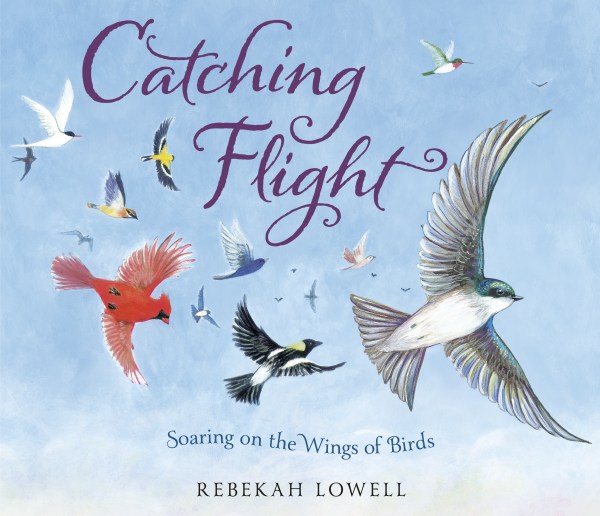
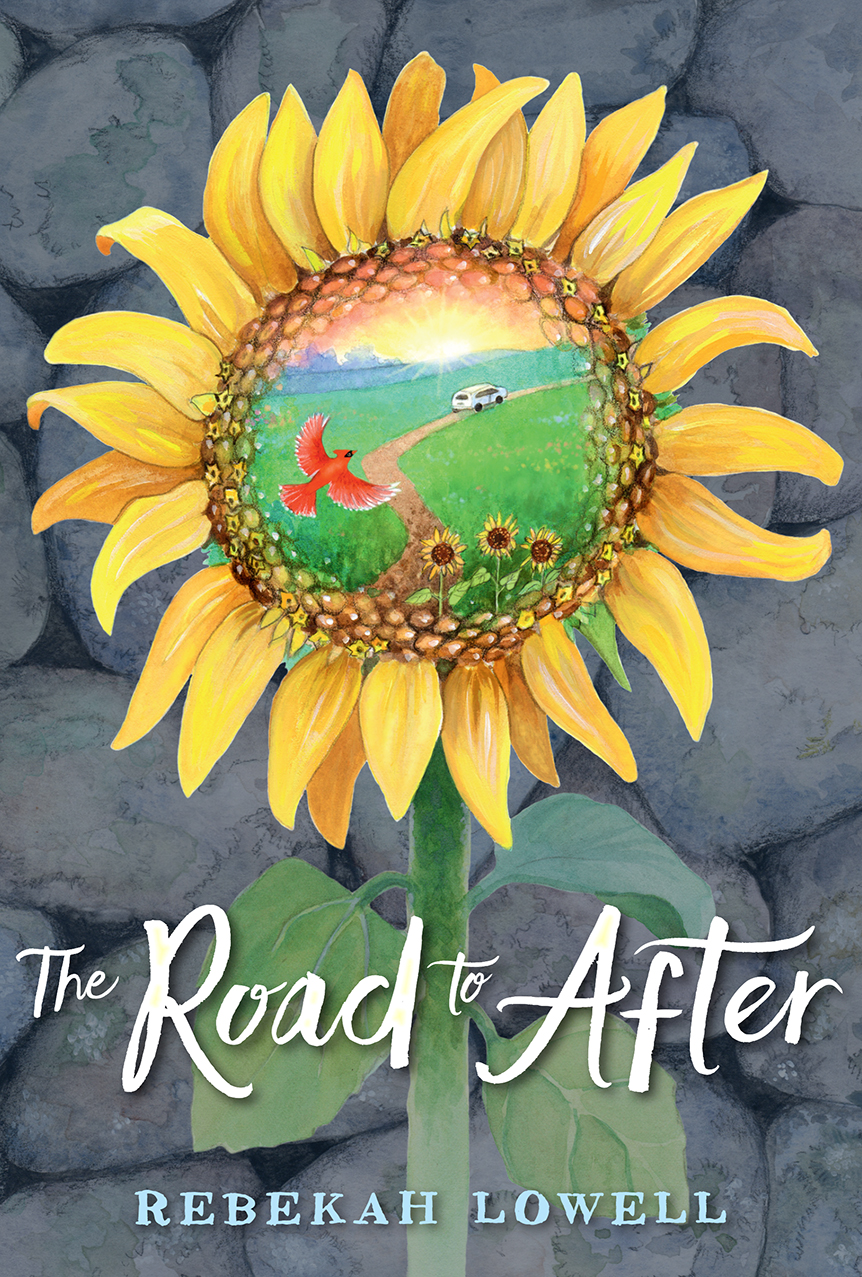
Because I love sunflowers, the beautiful cover art of Rebekah Lowell’s poignant debut novel in verse, The Road to After, caught my attention, but I soon realized that the beauty of the book was also found within its pages. It is “a portrait of healing, as a young girl rediscovers life and the soothing power of nature after being freed from her abusive father.” When I discovered that she also had a debut picture book, Catching Flight: Soaring on the Wings of Birds,  I was thrilled not only because of the absolutely stunning nature artwork, but because of the healing poem within, which also speaks of hope.   

Rebekah will be a featured author at the 14th Gaithersburg Book Festival on May 20th, and will  present The Road to After with Amina Luqman-Dawson (Freewater) at 11:15 am in the Willa Cather Pavilion, and Catching Flight: Soaring on the Wings of Birds during her workshop, “Nature Journaling for Beginners”, at 2:25 pm in the Graphic Novels and Workshops Pavilion.

Having grown up in Maine, within an hour from where Rebekah lives, and a fellow nature lover,  I felt a kinship with her, and we have had a warm correspondence over the past several months. Below you will find a delightful interview with her.

Who encouraged or inspired you to become an author/illustrator?

From a young age, my parents were encouraging and supportive. I grew up homeschooled in the middle of a field of buttercups and Bobolinks. Whenever I was outside, which was most of every day, I would sketch plants and then look them up in field guides to find out what I saw. Both of my parents are also creative. My mother is a quilter and gardener, and her career was in hair. My father is a carpenter and made me a flower press, so I created flower art as a child as well. He also made me an easel when I was maybe 10 and built my first art display stand and drove me to exhibit at my first art festival when I was 14. My parents gave me canvases and oil paints and framed my early work. This fueled my fire to create.  

Later into homeschool co-ops, high school, college, grad school, all the teachers and mentors along the way took pages of thanks in the acknowledgments for THE ROAD TO AFTER. I think we are a culmination of the mentors before us, of those who support us, cheer us on, and offer pieces of themselves to our benefit.

I always wanted to create, but it was those who mentored me and nurtured me, and there are many, that made sure I knew it was okay (and celebrated) to pursue what I was passionate about. 

What is your writing space like? Your art studio?

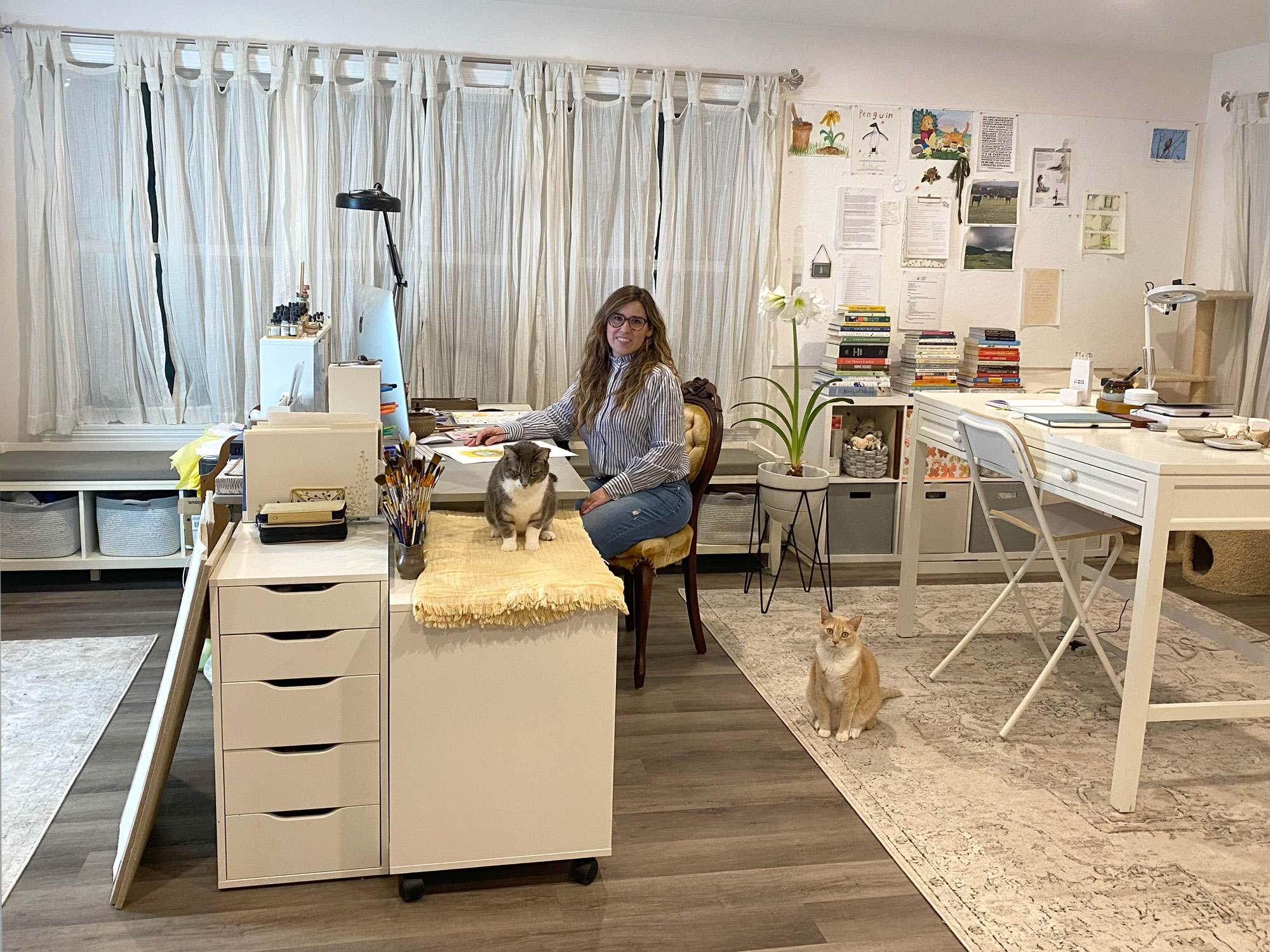
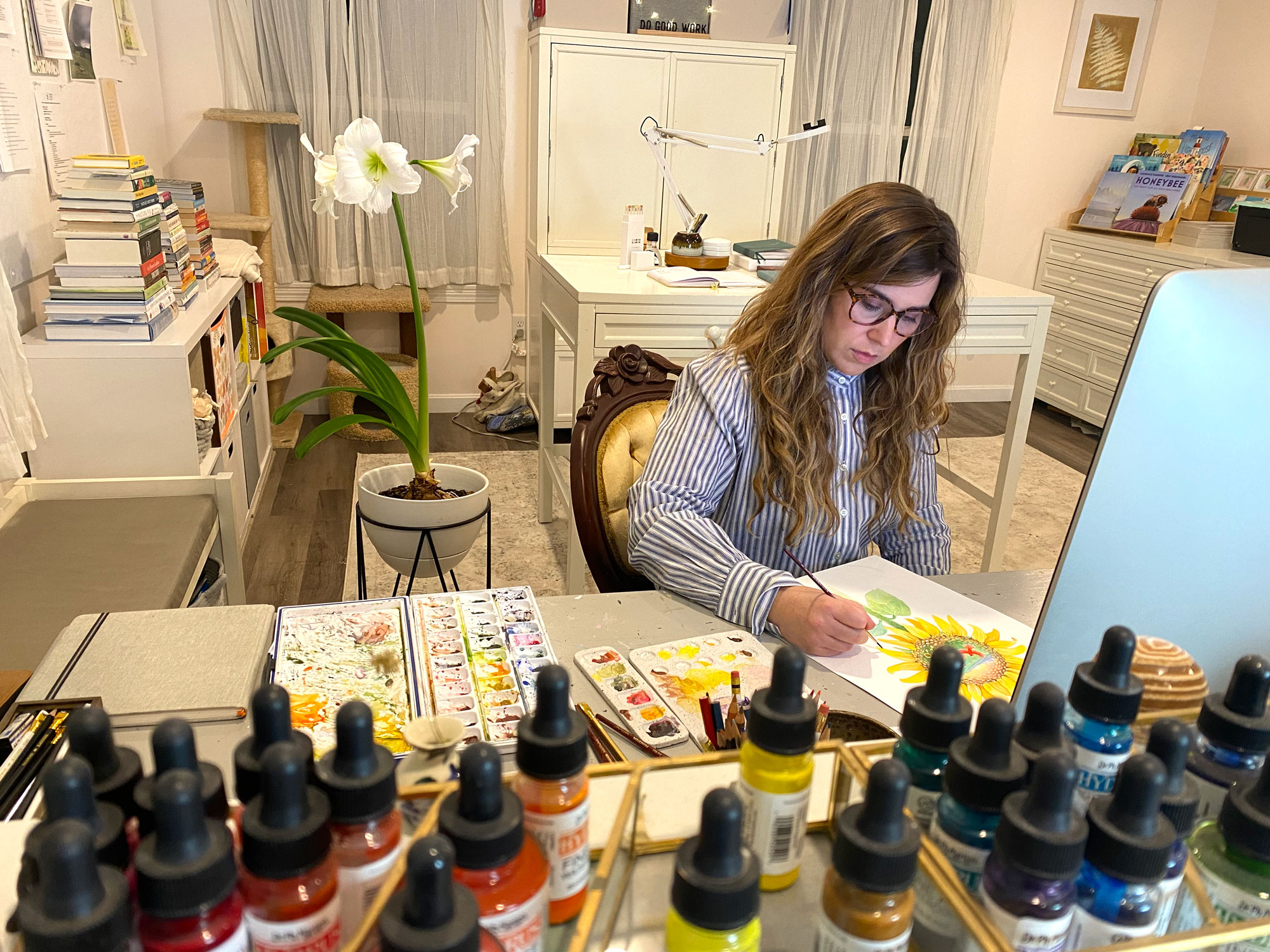
It hasn’t always been this way, but I finally have a designated room as my studio. My studio used to be a tiny table in the corner of my daughters’ toy room, and now I work in a home studio with windows that see out on three sides. The other wall has the door to the rest of my house, so I’m very connected to my daughters throughout the day. As a homeschooling mom, I feel like I have one foot in the studio and one foot in the home. My studio walls are painted with a color called “moonlit beach” and it’s a very faint neutral peach that feels like white with a soft glow. The pale curtains let light in, but are enough to make me feel cozy. I have flat files, and benches with cubbies, a Homasote fiber board wall to pin ideas and projects on.  I have natural objects and original art made by dear friends. My studio is light, and airy, and full of books— and I wish I was better at keeping it tidy. I have one side as my work side, and the other as my “clean side” but it’s not very tidy. By clean I mean that I try not to have paint and art supplies going wild on that side. I have a paper cutter, wax seal supplies, shelving for completed works, shelves of books (mostly nature and kidlit).

 What was your inspiration for Catching Flight and for The Road to After?

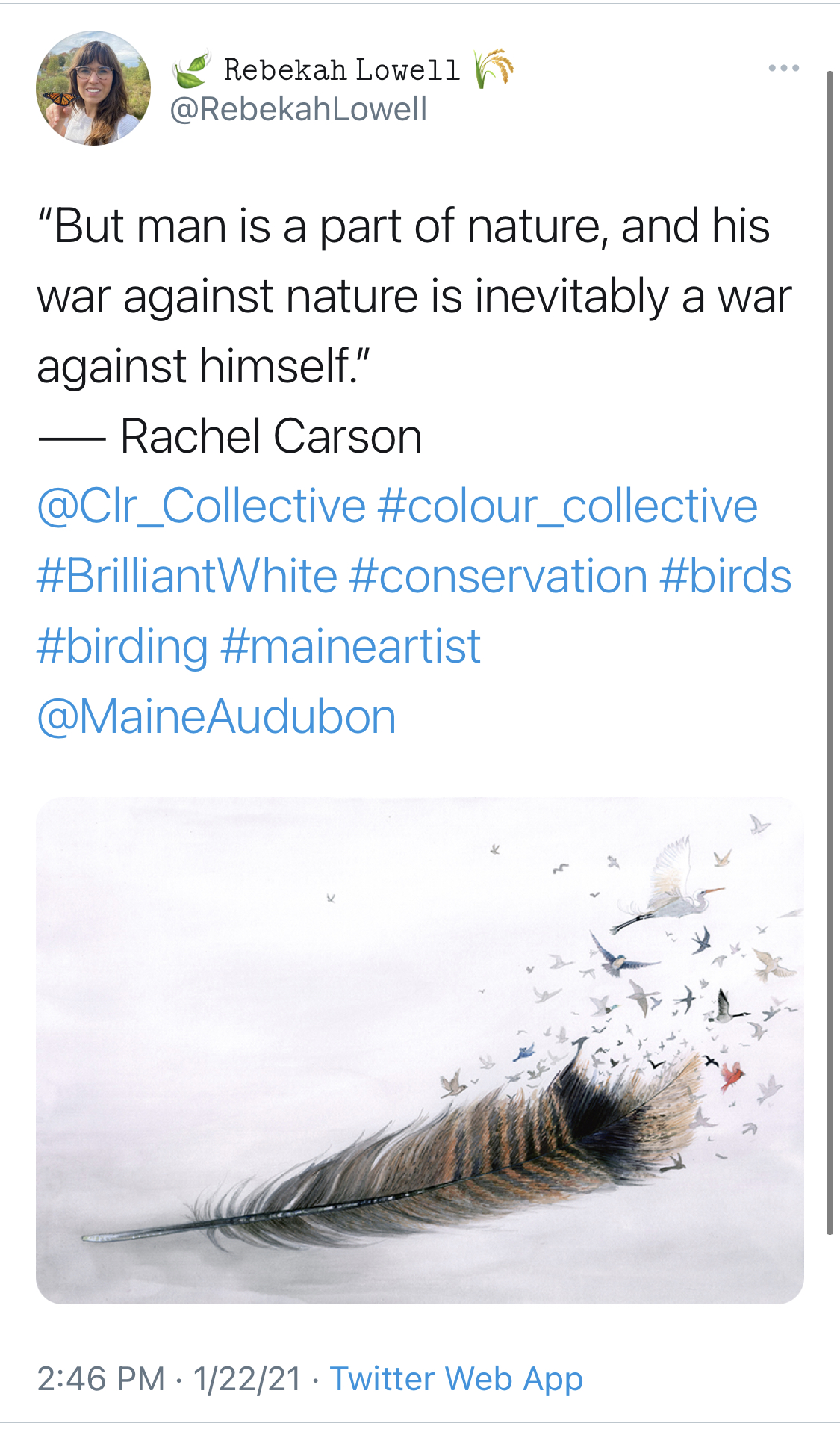
For CATCHING FLIGHT, my inspiration was based on a painting. One day I posted a watercolor painting of a turkey feather with birds flying out of it for the Colour Collective challenge on Twitter and Frances Gilbert from Doubleday BFYR private messaged me asking if I had a book to go with it. I told her yes, that I would come up with one. I promptly wrote down a poem in my journal, sent her a photo, and she said yes, type that up and send it to me please. The poem was based on light and a feeling of hope and the willingness to go on. We were in the middle of the pandemic, and I had just parted ways with my first agent, but I was searching for hope, and found it in birds because even before the art, there was my family who loved birds and showed me how to love birds. My grandparents, parents, aunts, uncles, cousins, sisters and one brother— we all love birds. So even before the art, my family was the inspiration.

For THE ROAD TO AFTER, the inspiration was based on my experience of being abused and held captive for ten years. I’m mostly like the mom in the book. It’s hard to think back to what life was like then and what I survived, but I needed to so I could write this story. But I couldn’t include all the details. This wasn’t a memoir. I wanted to offer this story in a way that could be shared for young readers because I knew if my daughters had experienced this kind of childhood, other kids had too. But even though THE ROAD TO AFTER is about recovery from domestic abuse and trauma, it’s mostly about hope. I didn’t want the book to focus on the terror of abuse, but to celebrate the strength in leaving and starting life anew. My daughters were 4 and 6 when I left with them, but the characters in the book are each younger and older. The inspiration was real life, but it led to a work of fiction that can tell a story of its own and create something beautiful from something so awful. It gives what we went through a sense of purpose and renewal as well. 

What do you love most about the cover art and illustrations in your current books?  Can you speak to your creative process? For your picture book, did you write the words first, or sketch out the pages?

I love that I was able to create them to begin with. I feel so fortunate to be doing this work. I love that in a world that is going more and more digital, I could still create art for my books using the traditional media that I love. I’m also learning vector art, repeat patterns, and procreate, and I finish my illustrations in Photoshop, so I’m not against digital art, I just love to feel the materials I’m using, hold a paintbrush in my hand, make a bit of a mess, get into the flow, and just create. I love the tactile, tangible nature of traditional materials and I’m thrilled to be using them to make my books.

For my picture book, the process was art, then text written inspired by that art, then art made for that text. The first painting that inspired the book was never used in the book. It was the door to the book, but not the book itself. 

Once we finalized the text, I created a series of thumbnails, then a storyboard, then sketches and more finished sketches. Next, I used a light table to refine those sketches into final drawings, then I scan and print out those drawings on hot press watercolor paper. Then I soak the paper and staple it down to Homasote fiber board, then use water-based mixed media to complete the final art.  Once the final art is created, sometimes the text changes a little again as well. A line moved here, a different word there, maybe a comma is added or dropped. Tiny tweaks in response to the art.

Do you have discussion guides for either of your books, and if so, could you share?

I don’t yet, but I would love to know more about creating discussion guides. Being a new author, this world of kidlit is a mystery unfolding.

I do have a Nature Journaling Activity to accompany THE ROAD TO AFTER. https://vimeo.com/816276862 

How (or in what ways) do you hope librarians will promote your books?

I hope that librarians see the child who needs a glimmer of hope, or a story about freedom, finding your way, starting over, and being brave, and they offer one of my books for them. My books also follow a theme of nature, so anytime there are days like Earth Day, or Draw a Bird Day, I hope they find a place to share my books. May is also Mental Health Awareness Month and my books both fit on those lists well. The family in THE ROAD TO AFTER suffers from complex PTSD and anxiety, and CATCHING FLIGHT is uplifting, reminding us that bright skies are ahead. We are lifted up by the birds, catching their current of joy, hoping to be brought along for the journey.

Your two books are very different – for each of them, who is the reader you are writing for?  Please describe them, and what you hope that the reader will learn.

Recently, I received a note from a reader thanking me for writing CATCHING FLIGHT. She talked about a tough time that she was experiencing and telling me that this book was a bright spot for her in a hard time. This made me realize that even though my books are both different, I’m writing for the same person—the person who needs someone to come alongside them and say, “It’s going to be okay.”

I hope that the readers of my books will know they are not alone, that they can reach out and there is always a kind person there to help them up, and that they are braver and stronger than they think. Hope is just on the other side of the storm clouds. 

What is one thing that you really want your readers to know about you?

That I like to notice the little things that often go overlooked. I like to look for wonder in small places and find amazement in the everyday. I save caterpillars in the road and listen to birds talk to each other. That kind of wonder can’t be found in the loud. You have to explore the quiet.

Which book review or award has been most meaningful to you?

All of them because I realize that I may never have had this opportunity if I had stayed in abuse. I never would have had the chance to make art, to make books— to be published at all. I’m grateful to have the chance to make books for kids at all. I feel like I’ve been given a second chance. Anytime someone notices my books enough to share a thought, comment, or review or choose one of my books for a list— I’m brought back to that realization that I may never have been able to do this at all and I’m grateful for the chance to create, and for any kindness that results from it.

What are you most looking forward to at our book festival?

I’m looking forward to meeting readers and festival goers. This is the first time I’ve ever been to the festival and I’m so honored and thrilled about it!

What message do you have for your readers?

You are not alone. I may not know the exact situation you are facing, but I know you can get through it. You are brave, strong, and courageous. You are valuable. You are loved.

Learn more about Rebekah Lowell and her art by visiting her website https://rebekahlowell.com/

For more information about the Gaithersburg Book Festival, please visit https://www.gaithersburgbookfestival.org/

Elephants Remember at Gaithersburg Book Festival

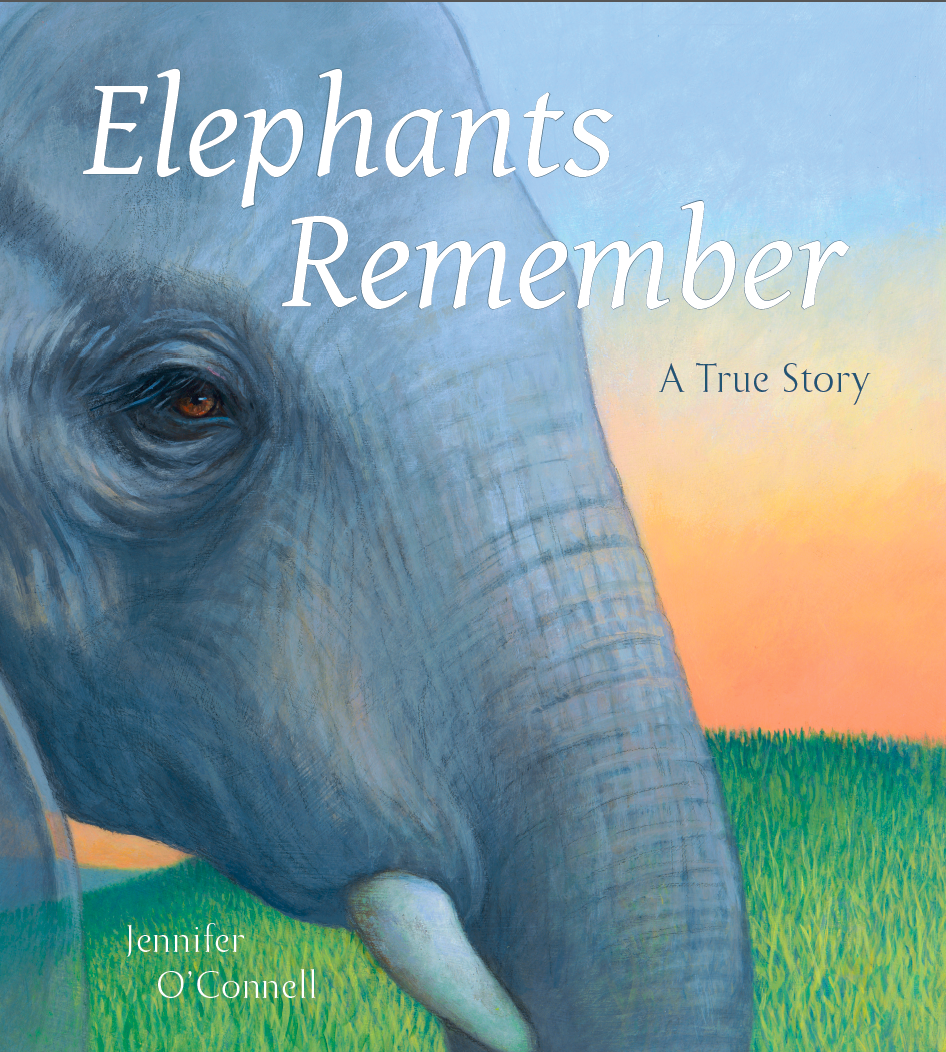
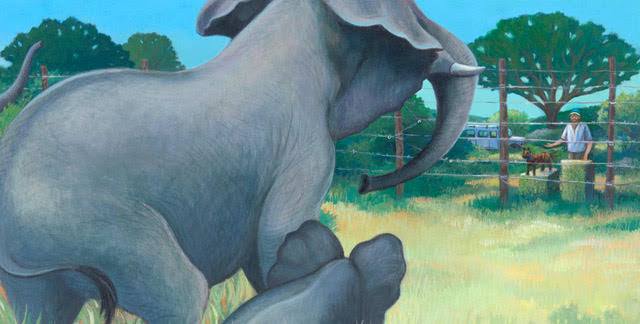
I met Jennifer O’Connell at the Amazing Animal Stories all-female author event I attended at the MCPL Connie Morella Library last January.  Since elephants are one of my favorite animals, I was drawn to the story of conservationist Lawrence Anthony and his elephants, Jennifer’s research process, and especially the expressive illustrations of Nana and the herd.

Jennifer will be presenting Elephants Remember with Susan Stockdale and her picture book, Line Up!: Animals in Remarkable Rows at the Gaithersburg Book Festival on Saturday, May 20, 2023, 10:15 am in the Jim Henson Pavilion at Bohrer Park. Click here for more information about Jennifer’s presentation.

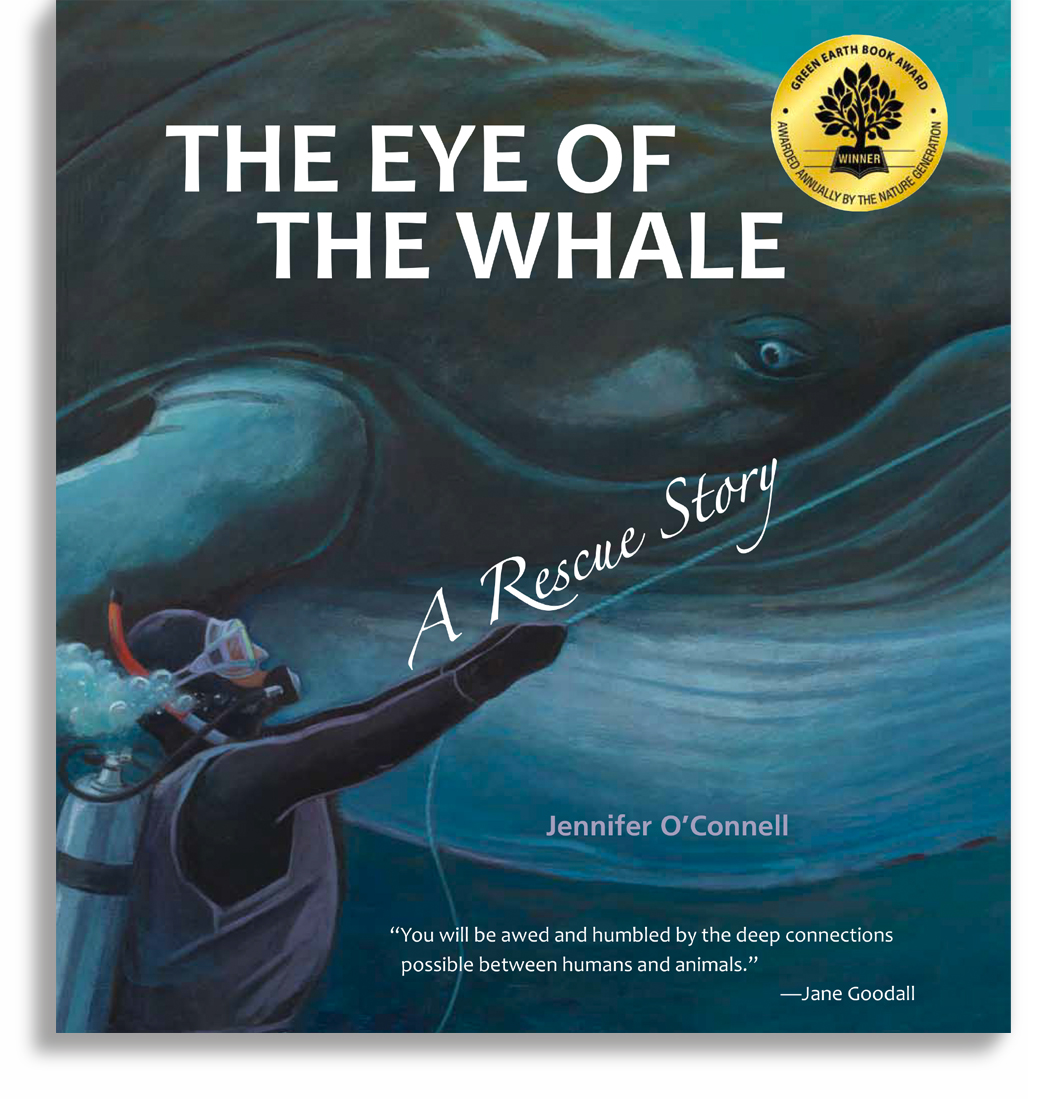
She is the author of several children’s fiction picture books: Ten Timid Ghosts, Ten Timid Ghosts on a Christmas Night, Harvest Night, and It’s Halloween Night! The nonfiction picture book, A Garden of Whales, was beautifully illustrated by Jennifer as well.  The Eye of the Whale: A Rescue Story, is another triumphant story of human and animal connection, and both written and illustrated by Jennifer.  It won The Nature Generation 2014 Green Earth Book Award, which is announced annually on Earth Day.

Please enjoy my interview with Jennifer, and join her at the Gaithersburg Book Festival to learn more about her and her touching nonfiction narrative picture book, Elephants Remember.

Who encouraged or inspired you to become an author/illustrator? 

Years ago, at Philadelphia College of Art, I attended a lecture by Maurice Sendak, explaining his process of designing Where the Wild Things Are. I fell in love with the art form of the picture book and began collecting and studying them with the hope of one day creating one myself. My mom (to whom Elephants Remember is dedicated) was always my biggest cheerleader!  

What is your writing space like?  

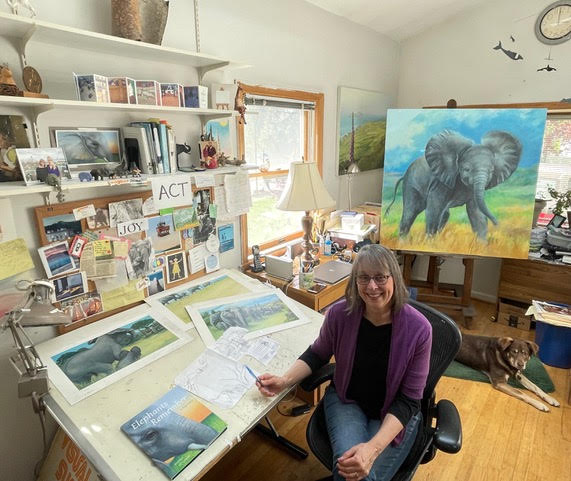
I write and paint in a bright, cluttered, studio space that we converted from our garage. It is my happy place! I have a large bulletin board in front of my art table with images and quotes that inspire me, an easel standing in the corner for painting, and a small rug by my table for our dog, Daphne. 

What do you love most about the cover art and illustrations in your current book?   Describe your art style and your art process.

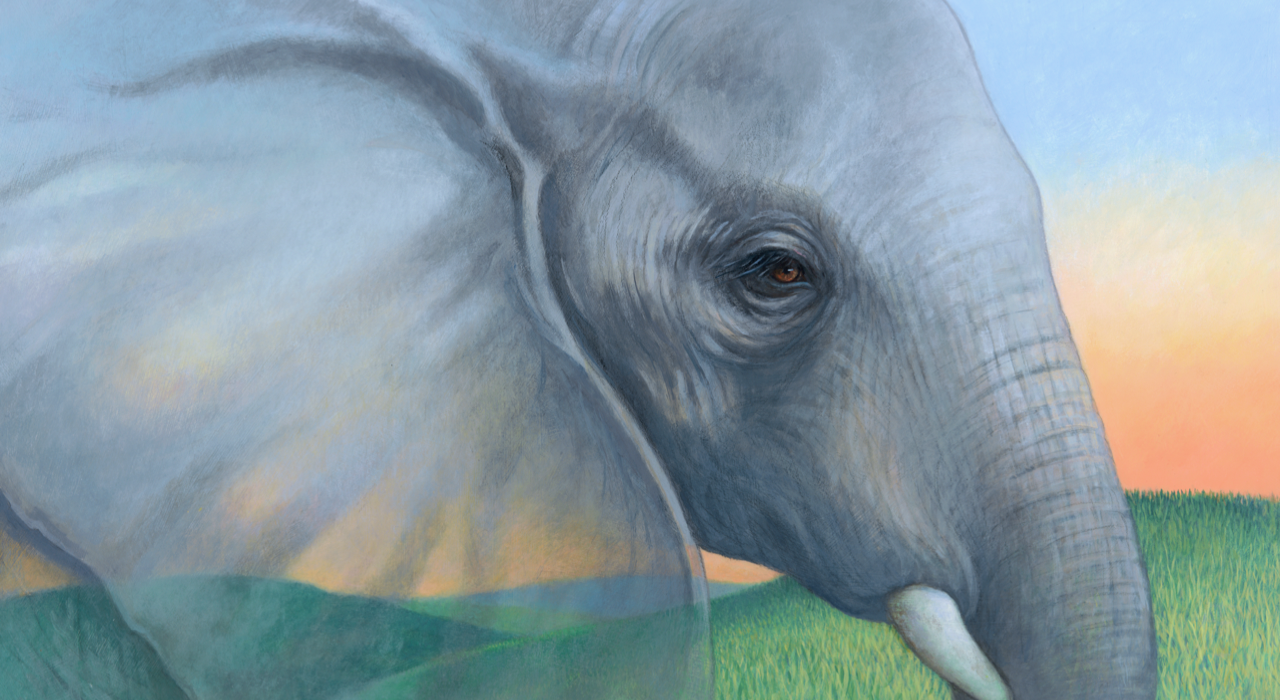
After painting several versions of the cover illustration, I finally succeeded in giving Nana’s elephant eye the contemplative feeling that I was striving for. I painted the South African landscape to show through her image to convey a feeling of mystery and to reinforce how elephants are a part of the land. The illustrations were created with acrylic paints and Prismacolor pencils on gesso-primed Strathmore Bristol paper. I also paint in oils and tried to incorporate a painterly style in these illustrations. 

What information surprised you most during your research? 

Several facts: That elephants are terrified of bees, and conservationists use this by placing beehives around land that they need to keep elephants out of, like plantations. That elephants communicate with each other up to six miles away with their low-frequency rumbles. That adult elephants can eat up to 400 pounds of plant matter each day! 

How (or in what ways) do you hope librarians will promote your book?  

I hope that librarians will share the story of Elephants Remember with children and parents, and that it will excite and inspire readers to want to learn more. The three-page Afterword provides additional details, explanations and a list of resources – books and websites. I have created a “Classroom Ideas” guide (on my website) that features ideas and activities for Language Arts, Visual Arts, Natural Science & Math, History & Geography, Conservation, How Students Can Help, and Human Values of Kindness and Compassion. 

What do you hope your readers will learn from reading your book?

I hope that readers will learn how sensitive, emotional and intelligent elephants are. And how we can all strive to be like Lawrence, who had empathy and recognized the value and integrity of other species and cultures by being receptive to and listening to them. 

Who is the reader you are writing for?  Please describe them.

I view Elephants Remember being for all readers, ages 5 to 105. But let’s imagine someone – a fourth-grader living in Brooklyn, New York. This young person has never been outside the US and has only seen elephants at the zoo. An adventure awaits!

What else do you really want your readers to know about you?

1 – l love connecting with them – talking, answering questions, hearing their ideas (email me!) 2 – I usually never get the words or pictures right the first time – but each try gets better. 3 – I love animals, especially dogs!

Which book review or award has been most meaningful to you?

I am proud that my picture book, The Eye of the Whale – A Rescue Story, received The Green Earth Book Award, which “honors books that inspire youth to grow a deeper understanding, respect, and responsibility for the natural environment.” 

What are you most looking forward to at our book festival?

Being with people who love books! I can’t wait to tell readers about Elephants Remember and how it became a book. I am also looking forward to seeing and hearing other authors and their stories. 

What message do you have for your readers?

Keep reading! The world opens up to you when you read all kinds of books. Start writing down your stories and never be afraid to try something new!

Follow Jennifer O’Connell:

Facebook | Instagram: @jenniferoconnellart | Twitter: @JenniferOCBooks

Want to learn more about Conservationist Lawrence Anthony? Check out these articles:

Lawrence Anthony, South African conservationist, dies at 61

Thula, Thula website 

UPDATE: Elephants Who Appeared To Mourn Their Human Friend Remain Protected

When the Elephants Came to Mourn the Elephant Whisperer