John Schu: Connector of books, readers, empathy, understanding, and joy!

The first thing you notice about John Schu is his smile and the joy that emanates from him. Ask him about what he’s reading, and that smile will widen and he’ll tell you all about it, including how good it smells. In 2011 he was named a Library Journal Mover and Shaker for “his dynamic interactions with students and his passionate adoption of new technologies as a means of connecting authors, illustrators, books, and readers.” He has never stopped being a Mover and Shaker in children’s literature – just follow him on social media and you will see him spotlighting all of the authors and illustrators of the books he reads. He is the children’s librarian for Bookelicious, a part-time lecturer at Rutgers University, and shares his love of reading with countless librarians, educators, and students around the world.   

I am thrilled that John Schu will be bringing his important book, Louder Than Hunger, to the 15th Annual  Gaithersburg Book Festival on May 18th at Gaithersburg’s Bohrer Park.  John will be presenting along with Nicole Melleby (Winnie Nash is Not Your Sunshine) in the Nash Young Adult Pavillion beginning at 10:15 am.
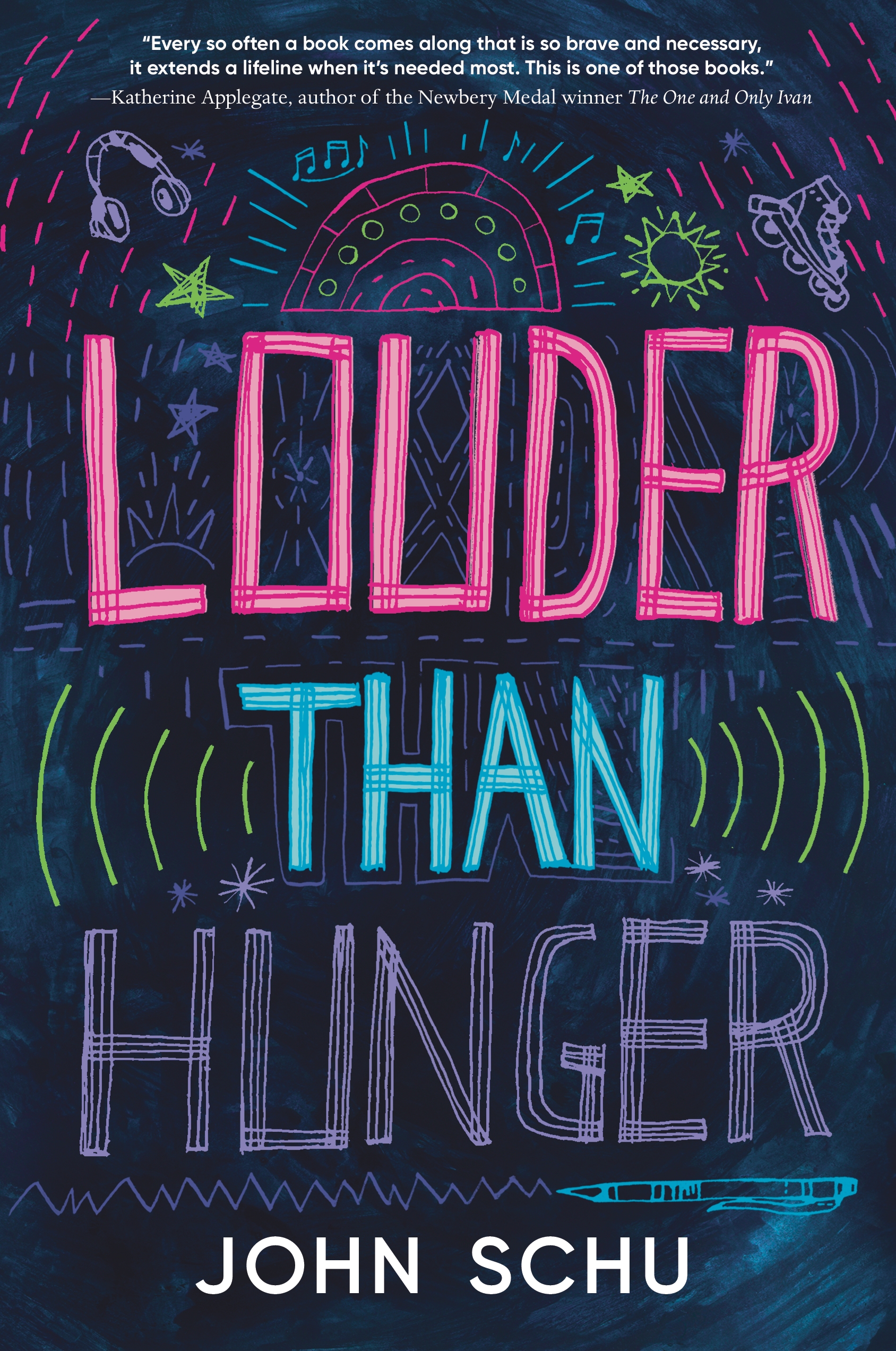

John, I met you several years ago, when you were the Ambassador of School Libraries for Scholastic Book Fairs and I enjoyed seeing your genuine book joy then, and how you continue to share joy to this day.  When did you develop your love of, and for, books?

John Schu: Thank you! I always love celebrating stories and books! 

In Louder Than Hunger, Jake thinks about his favorite books a lot. 

This is a passage from pages 173-174. 

Grandma bought me 

Goofy’s Big Race

from the grocery store

when I was six or seven. 

She used a coupon. 

Slow and steady,

steady and slow,

that’s the way to go.

I asked her to read it aloud

over

and

over

and 

over 

again.

Until I memorized it. 

Slow and steady,

steady and slow,

that’s the way to go.

Until it crawled inside my heart

and rested there. 

_________________

Goofy’s Big Race hooked me on reading. It’s tattooed on my heart. 

Louder Than Hunger has had many wonderful, truly outstanding, reviews.  Which has been the most important or meaningful to you?

John Schu: I’m so, so, so grateful for all the outstanding words of praise. 

The most meaningful praise has come in the form of letters from middle schoolers and high schoolers. 

They are sharing their hearts with me. 

They tell me about their favorite parts of the book. 


When they cried. 

How they have struggled with a negative voice in their heads. 

How they better understand what it might feel like to have an eating disorder. 

How they’ve developed more compassion by spending time with Jake. 

You have been very open with your struggles with an eating disorder, and that Louder Than Hunger is a memoir in many ways.  How are you doing today?

John Schu: In Louder Than Hunger, Counselor Ruth says to Jake,

Therapy is a chance to talk with someone about the things that are important to you in an effort to make your life easier, better, and more fun.

I’m living a life that is easier, better, and more fun! 

In your NPR interview you mentioned that the Voice went from having a capital “V’ to a lowercase “v”.  Does the voice ever disappear completely in both Jake’s life, and yours?

John Schu: Thank you for listening to my interview with Scott Simon. It was such an honor to chat with him.

Sometimes I struggle with a lowercase v. Thanks to therapy and strategies that I incorporate into my daily life, I talk back to the voice and figure out why it is talking to me. 

The interactions between Jake and his grandmother were some of my favorites.  Thank you for spotlighting the special bond between grandparents and grandchildren.  What do you think your Grandmother would say to you, had she been alive to read your book and see its widespread acceptance and acclaim?

John Schu: Oh my goodness! This question makes me weepy! 

I think she would say . . . 

You are healthy.

You are loved.

You are strong.

You are determined. 

You are fulfilling your dreams…

(Note: The You are . . . structure will make more sense after you read Louder Than Hunger.) 

Last year, Jarrett Lerner’s novel in verse, prose, and illustration about body dysmorphia, A Work in Progress*, published in 2023 and has had similar success to Louder Than Hunger … why do you think that both books have been embraced so completely? 

John Schu: In the short time Louder Than Hunger has been out in the world, I’ve received MANY email messages from family members of males who are struggling with anorexia and bulimia. I think both books are being embraced by readers of all ages because many people are ready to have these important conversations about disordered eating and mental health.

*(Jarrett was a featured author at the 2023 Gaithersburg Book Festival, where I moderated a panel discussion with two other middle grade authors.  I also interviewed him for my blog  Thankfully, We’re All Works In Progress)

Who is your cover illustrator, and what are your thoughts about the cover art?  Does it express what you hoped it would?

John Schu: I’m SOOOOOO grateful for Grady McFerrin, the cover illustrator, and Maria T. Middleton, the cover designer. The cover—the entire package—expresses everything I hoped for and more! The cover pops on a shelf! It makes me smile! 

Lastly, what message do you have for the readers of your books, specifically Louder Than Hunger, but also your picture books, This is a School and This is a Story?

John Schu: The words connect and connection are always on my heart and mind when I write. 

I hope my books help readers make connections. 

I hope they help build empathy and understanding in readers of all ages.

I hope they help facilitate necessary conversations about schools and libraries and poetry and mental health.

I hope my books inspire readers to write their own stories. 

Thank you, John, for taking time to answer these questions for me!  I look forward to meeting you in May at the Gaithersburg Book Festival, where I will be introducing you and Nicole Melleby.

John Schu: Thank you so much! See you in Gaithersburg! 
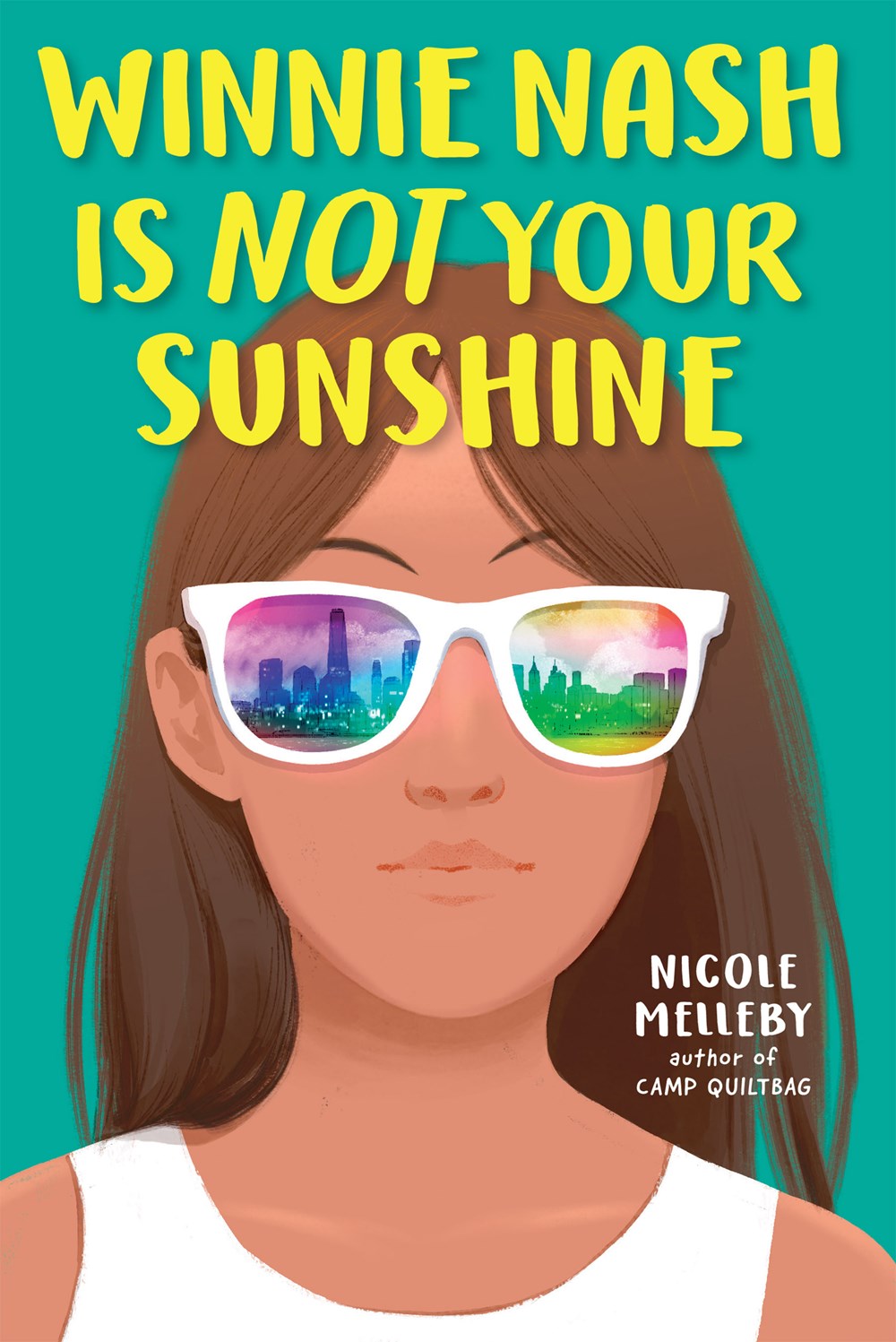
Nicole Melleby is a Ray of Sunshine at GBF #15

As a longtime committee member of the Gaithersburg Book Festival, this time of year is such a special time for me – so many wonderful authors and illustrators descend on Bohrer Park and I get to meet them in person, listen to their presentations, and learn about their creative process.  Such fun for this book-loving librarian! 

I will be introducing both Nicole Melleby and John Schu, who will be featured authors presenting together at 10:15 am in the Ogden Nash Pavilion. After reading Melleby´s Winnie Nash is Not Your Sunshine, I reached out to her for an interview. Booklist describes this middle grade novel as “a tearjerker with heart—a triumphant exploration of lesbianism, extended family, and miscarriage from the eyes of a young, would-be sibling,” – and I would add, exploring depression and the basic need to feel safe and loved.

Can you share your journey to becoming a children’s author?
When I was eight, I saw the Nickelodeon movie Harriet the Spy. I was obsessed, I loved everything about it, but I especially loved the main character, Harriet, and the way she always carried around a notebook to write things in. I used to beg my parents to buy me marble composition notebooks just like the one Harriet had every time they went to a store that carried them, and I would fill those notebooks up with everything. I started off by taking notes about the people around me much like Harriet did while spying, and from there I started writing stories instead. I’ve been writing stories ever since.

The movie also gave me this quote, which I’ve kept in mind ever since, and speaks to why I keep writing: “You know what? You’re an individual, and that makes people nervous. And it’s going to keep making people nervous for the rest of your life.”

Many of your books deal with LGBTQ+ kids discovering their sexuality and understanding their identities. Winnie Nash is Not Your Sunshine has received many wonderful reviews. Kirkus Reviews described it as, “A powerful, emotional look at queerness, pride, and what it truly means to feel held.”  How does this make you feel?

It makes me feel good, of course it does, especially when we’re in an atmosphere right now where LGBTQ+ books like mine are being more and more challenged and banned by school boards all over the place. Getting good reviews is always nice, but now it almost feels like extra validation when someone tries to say that an LGBTQ+ middle grade book “has no literary merit” (a true quote from a school board challenging books of mine) or has no place on a child’s shelves. But I think Kirkus got it right, it got right to the point of what I wanted to do with this book: give a child reader the chance to feel held right alongside Winnie.

Were Winnie’s experiences and feelings reflective of your own growing up? 

Unlike Winnie, I didn’t know I was queer at a young age, but like Winnie, I grew up on the Jersey Shore, looking across the bay at New York City, wondering what it would be like to get there someday. And while I was a lot younger than Winnie and it didn’t affect my life as much as it affects hers, my mom also struggled with miscarriages before my younger brother was born. Winnie, overall, is a sad, confused, angry kid, and I think that I let her feel all of the things I felt at various times; I didn’t want to hold anything back with her. I read an essay in which Kate DiCamillo says, “Let kids be sad” and it’s something I took to heart. I was a sad kid sometimes—I think there are a lot of sad kids out there—I wanted to let Winnie be one, too.


What do you hear from your readers (kids, parents, educators)  after they have finished reading your books?

For all of the book bannings and challenges and, frankly, mean emails I get, I receive about a dozen more from kids and parents and teachers who have found something in my books that they needed. It’s definitely what keeps me positive throughout all of the contention when it comes to queer books for kids. The kids who email me and say how much Winnie or Pluto or Fig mean to them always means more to me than what I can even put into words.

Why do you think it is important to write for the middle grade audience?
Because kids deserve to get lost in the pages of a book just as much as anyone else does, they deserve to see themselves, or kids just like them or their friends or their family, thriving and surviving and going on adventures and being sad and growing and learning and exploring, and falling in love or falling in crush or finding friends or learning how to handle losing friends, too. They deserve to win against the monsters or to learn how to cope when you lose. I think writing for kids is special, because it was as a middle grade reader that I first fell in love with reading and being able to lose myself in a book has always been so important to me.

What message do you have for librarians (and all educators)?
I talk a lot about book challenges and bannings, and I am trying to do what I can from my end, but I know how hard it is for the librarians on the ground level right now doing their best to keep getting these books into their readers’ hands. I respect your work and I see how hard you are all doing what you do—and I really hope you keep pushing and keep fighting for these kids the best you can. It used to be easier to ask that of librarians, and now it’s getting harder, because I know there’s more and more risks these days for them, too. But at the end of the day, I think about the kids first, the ones who need to see us fighting for them to have books with characters they relate to on the shelves. So, basically, my message is: Thank you for all that you are doing. I’m here fighting with you.

What message do you have for your readers?
To the kids (and adults) who pick up my books: I see you, and you are not alone. 

Additional titles by Nicole Melleby:

Middle Grade:

  • Hurricane Season 
  • In the Role of Brie Hutchens 
  • How to Become a Planet
  • The Science of Being Angry
  • Winnie Nash is Not Your Sunshine
  • Dressing Up a Jersey Girl

The House on Sunrise Lagoon Series:

  • Sam Makes a Splashe
  • Marina in the Middle
  • Halfway to Harbor

Jonathan Roth Spashes Down at GBF #15

Jonathan Roth and I are colleagues in the same school district, but do not teach at the same school – we work in a very large district – 211 schools and counting!  He is a vibrant art teacher who encourages his students to authentically express themselves and create bravely.

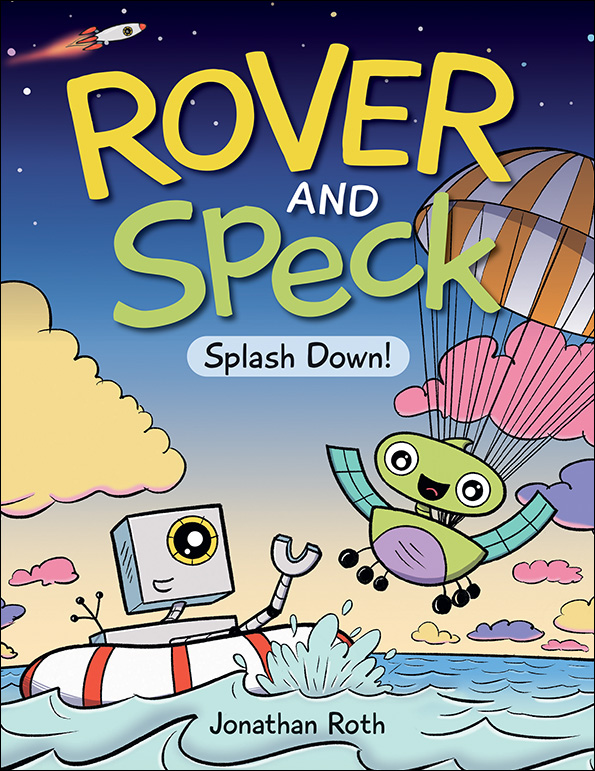
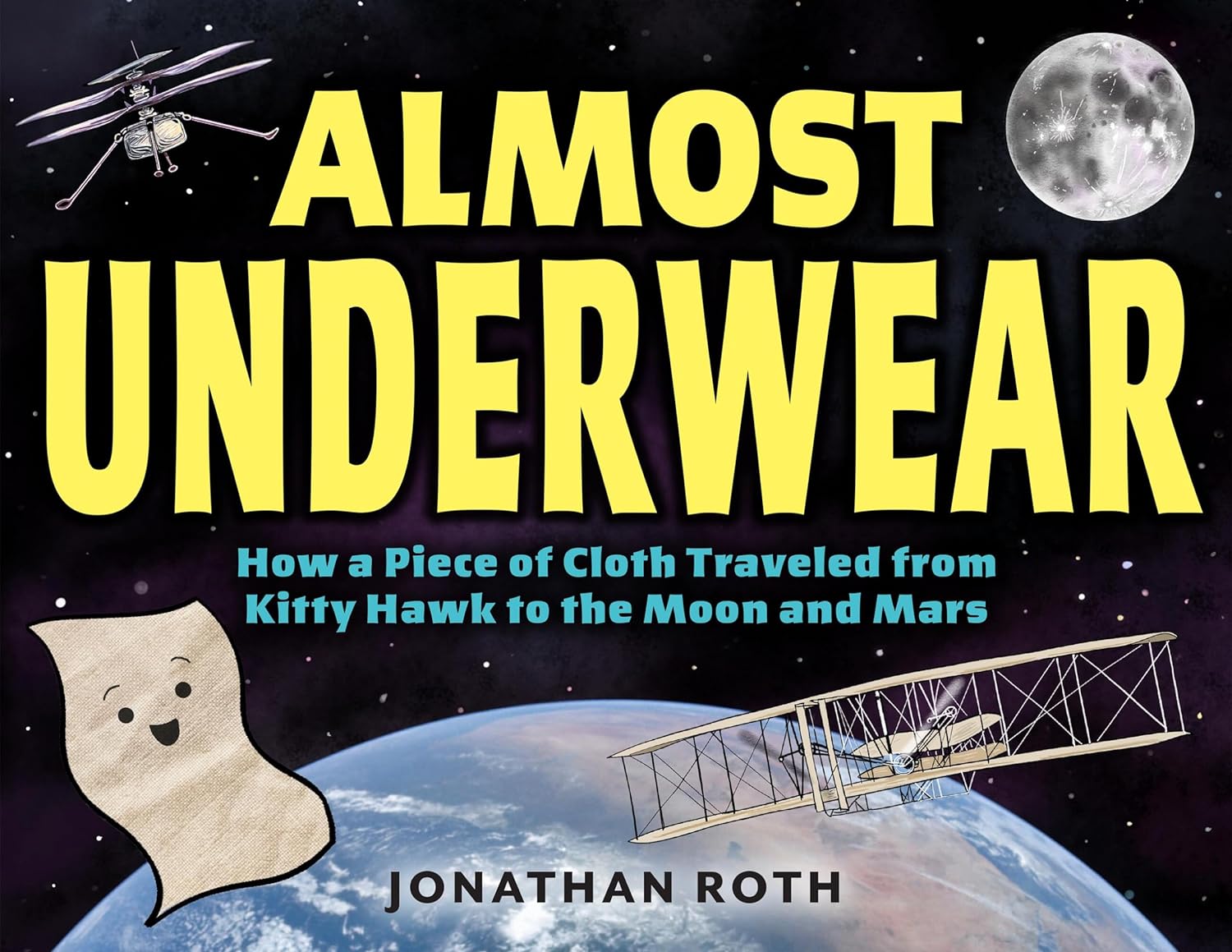
In this busy spring season I was able to catch up with Jonathan to talk about his current book, Rover and Speck: Splash Down and his upcoming book, Almost Underwear: How a Piece of Cloth Traveled from Kitty Hawk to the Moon and Mars (August 2024).  Jonathan will be a featured author at the 15th Annual Gaithersburg Book Festival on May 18, 2024 at 4:15pm in the Jim Henson Pavilion.

Please tell us about your journey to become a children’s author.

Starting from early childhood, there hasn’t been a time when I haven’t been drawing,writing or cartooning. And not a day where I haven’t been reading! Out of art school Iwas revisiting some favorite picture books and discovering new ones, and it hit me that that’s what I really wanted to do. Of course, it took many years of learning and tryingand failing, but then I finally got an agent and…failed some more (not her fault, it’s just super competitive). Finally, with my current agent, I started making sales. And now books 7 and 8 are releasing this year! (though like almost all published authors, I still get rejections too).

How did you create your characters, Rover and Speck?

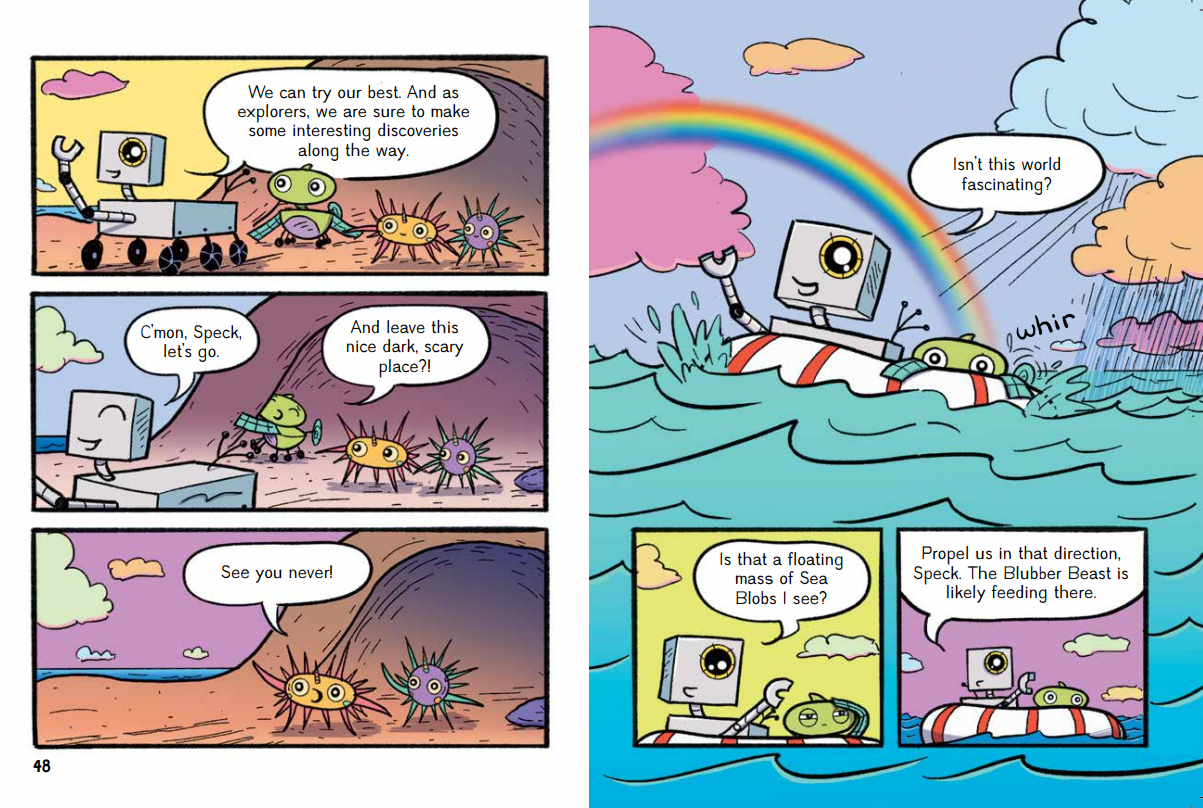
I’d been following the real Mars rovers Spirit and Opportunity on and off since they landed in 2004. They were designed to last 90 days; Spirit lasted 5 years and Opportunity almost 15! When I read in the paper (yes, paper) in 2019 that Opportunity had finally ‘died’ (lost power for good) on Mars, I instantly knew I wanted to write about a fictional rover who ‘died’ but then was discovered and revived by another rover. Cue un planetary adventures!

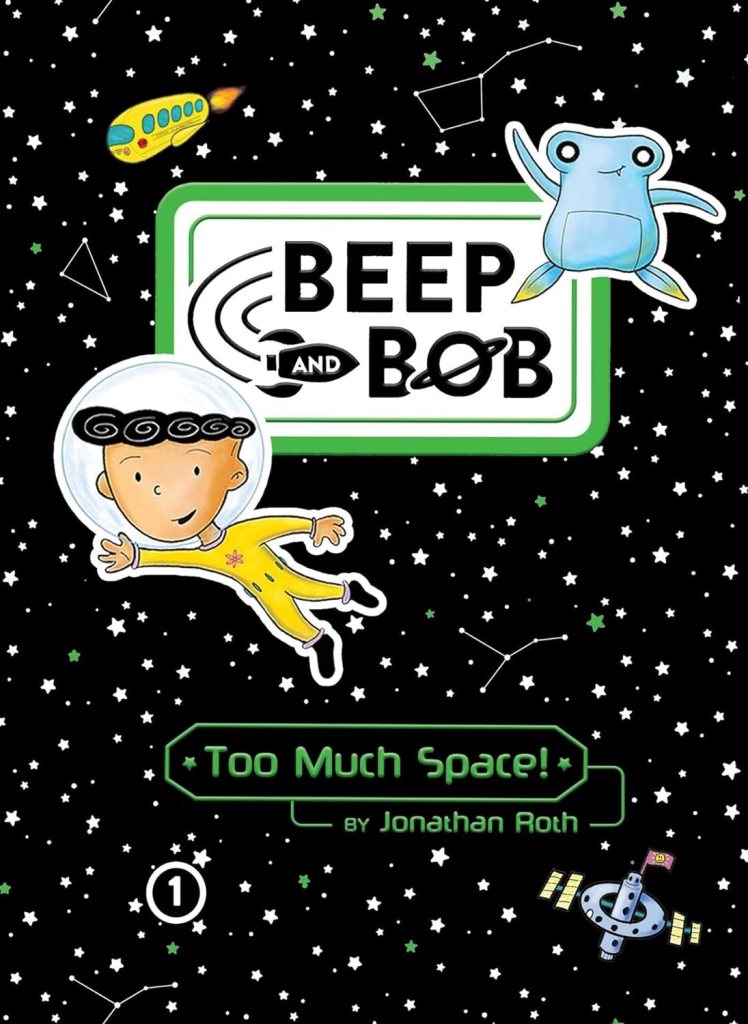
How is your creative process different when writing/illustrating the Rover and Speck graphic novels versus writing your Beep and Bob chapter book series?

Rover and Speck has full-color comics illustrations taking up every page, and the Beep and Bob books each have only about 20-30 black and white spot illustrations, so the biggest difference is that R&S takes a lot more hours at my drawing board! I’m faster at the writing part.

I know you are coming to Gaithersburg Book Festival #15 to present Rover and Speck: Splash Down, but I am also curious about your upcoming nonfiction picture book, Almost Underwear (book birthday August 20, 2024).

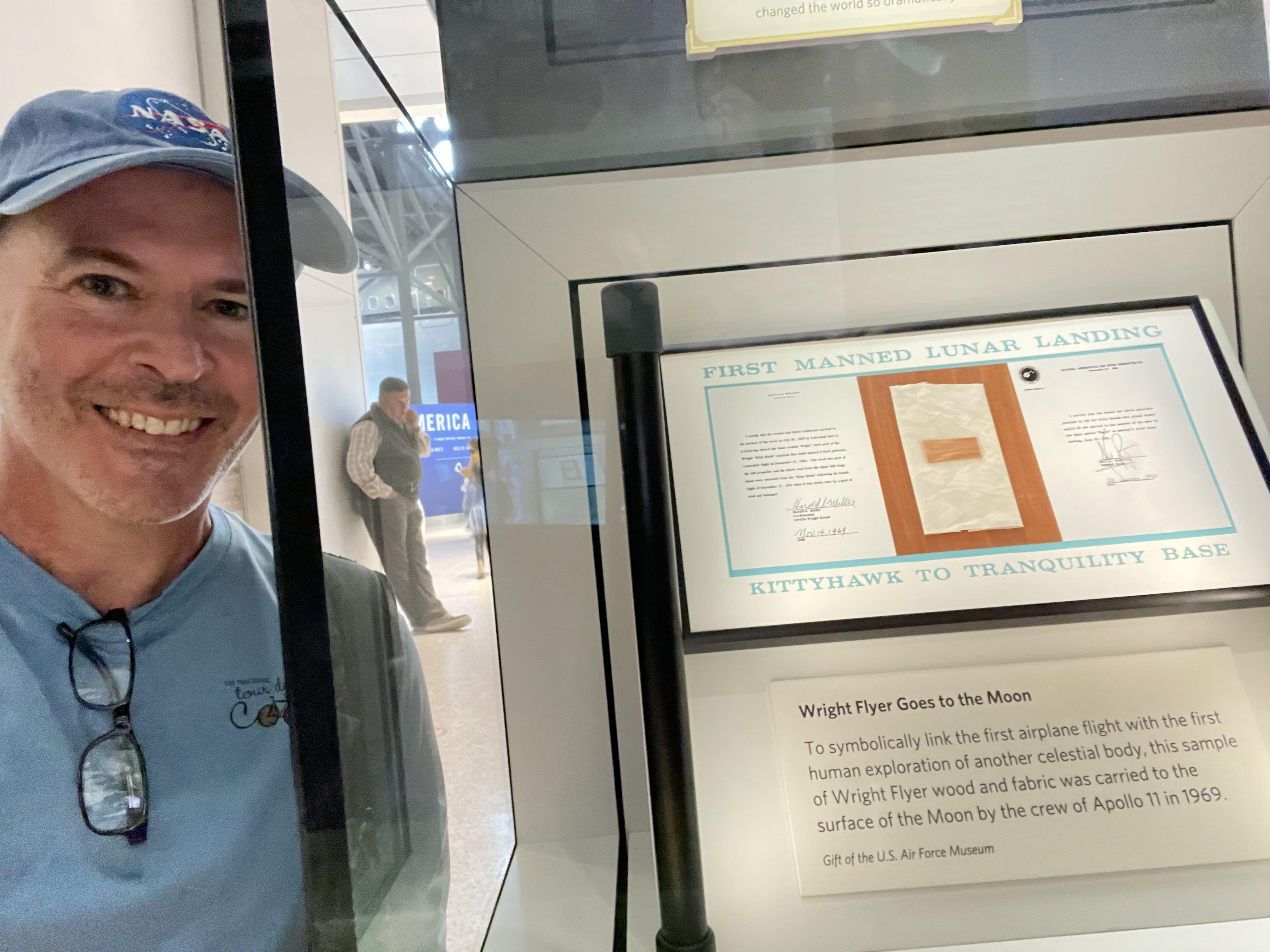
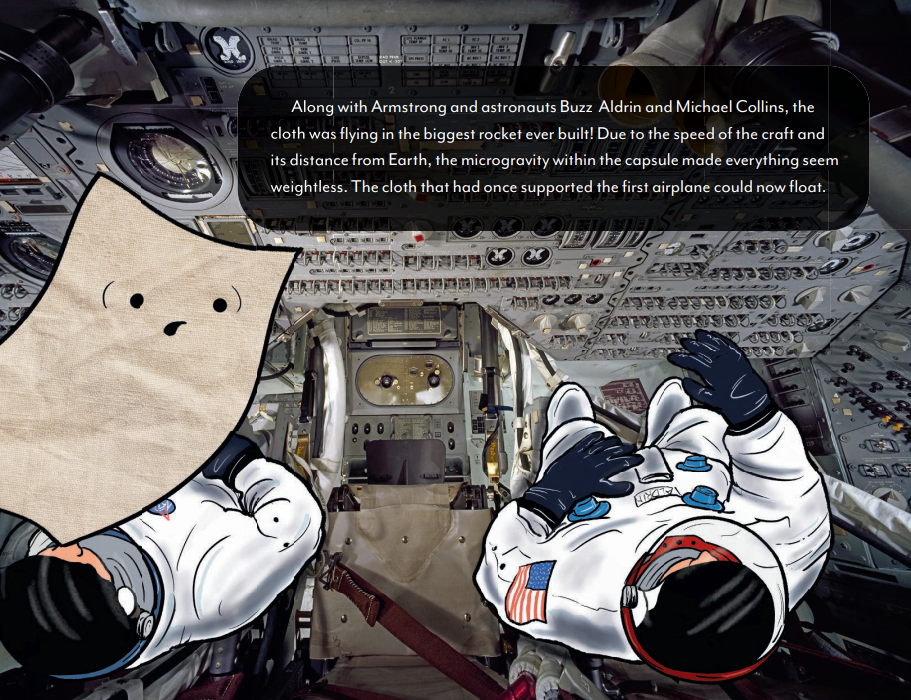
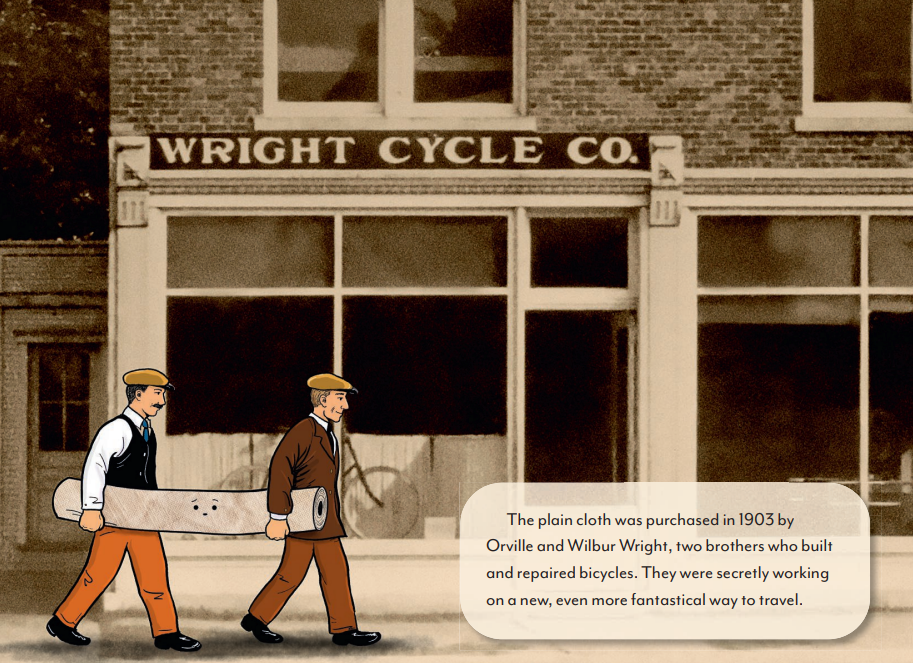
I’ve been attending the GBF since year 1! And this will be my 4 th time speaking there (not including a video for the virtual year), so I’m super excited. Maybe you can expect a little peek at Almost Underwear at this year’s festival, hint hint, but in a nutshell it’s the story about how some ordinary cloth was bought by two brothers in a Dayton department store in 1903, and how various cuts of that cloth became part of the first powered airplane flight on Earth and then also the first moon landing and the first flight on Mars in 2021! It’s a book about innovation and commemoration – and underwear (well, almost underwear).

What is your research process, and when do you decide you have enough background knowledge to begin writing?

Don’t tell anyone, haha, but I start writing well before I know all the facts! With Almost Underwear, once I had the three main historical vantage points (first flight and thencloth from the wing of the Flyer taken to both the moon and Mars) I immediately begana draft from the point of view of the cloth as it was sitting in the store alongside muchfancier cloth, waiting to be purchased. Then as I began to research in earnest, I fleshed out the historic details as I went (with creative license of course – the cloth didn’t actually have a cute face:) I did go into it with a lot of prior knowledge about the Wright Flyer, Apollo 11, and Mars missions, but it was a great excuse to delve into lots of new and review reading.

What is the most fascinating fact that you discovered while researching for Almost Underwear: How a Piece of Cloth Traveled from Kitty Hawk to the Moon and Mars?

I don’t know if it’s the most fascinating fact, but early on, when I read that the type of muslin the Wright Brothers purchased from a Dayton department store was most commonly used at that time to make “ladies undergarments”, I knew I had my fun hook.

What do you love most about writing for children?

I love the KidLit community. Writing can be solitary, with only peeks at the tip of the iceburg ever showing (if you’re lucky!) While I do it for the kids of course, I really value that I’ve been able to build lasting relationships with other creators and book lovers.

What message do you have for librarians? For your readers?

Librarians, you rock! Even in these challenging times, librarians always strive to get the right books in the right hands. And readers: you rock too! With so many choices – and distractions – these days, I am heartened every time I see a young person reading (doubly heartened if it’s one of my books!) Books are little miracles, and we (authors, illustrators, editors, librarians, readers) co-create them together.

If you would like to learn more about Jonathan and his books, please read the following posts:

Rover and Speck: This GBF Rocks! (May 2, 2023)

Outta this World with Jonathan Roth (April 29, 2019)


A Visit with Nicole, Rina, and Victor

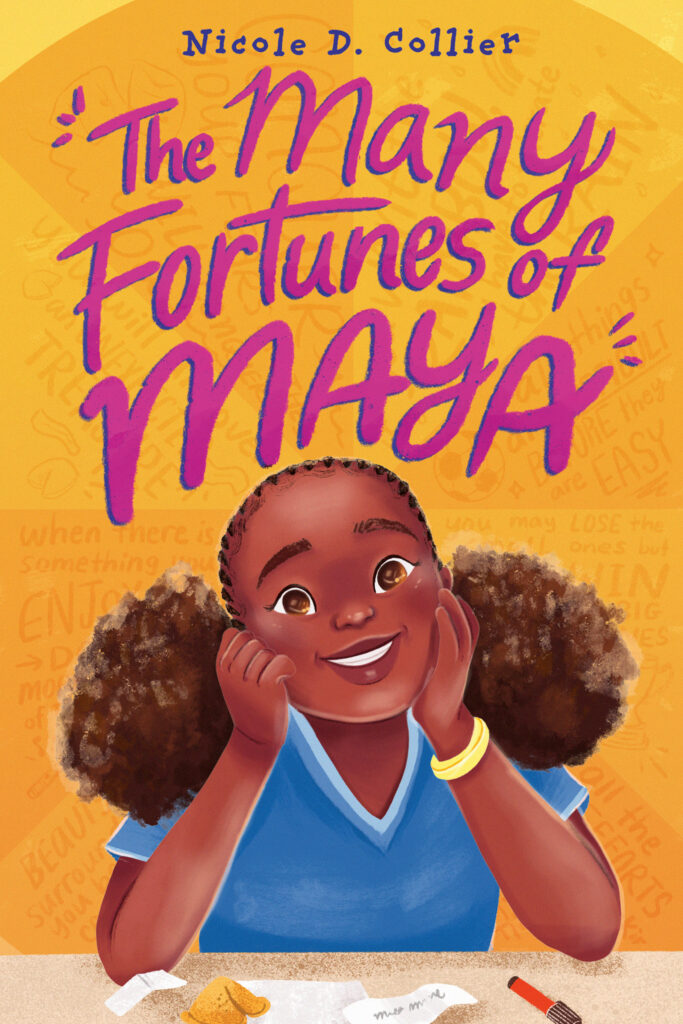
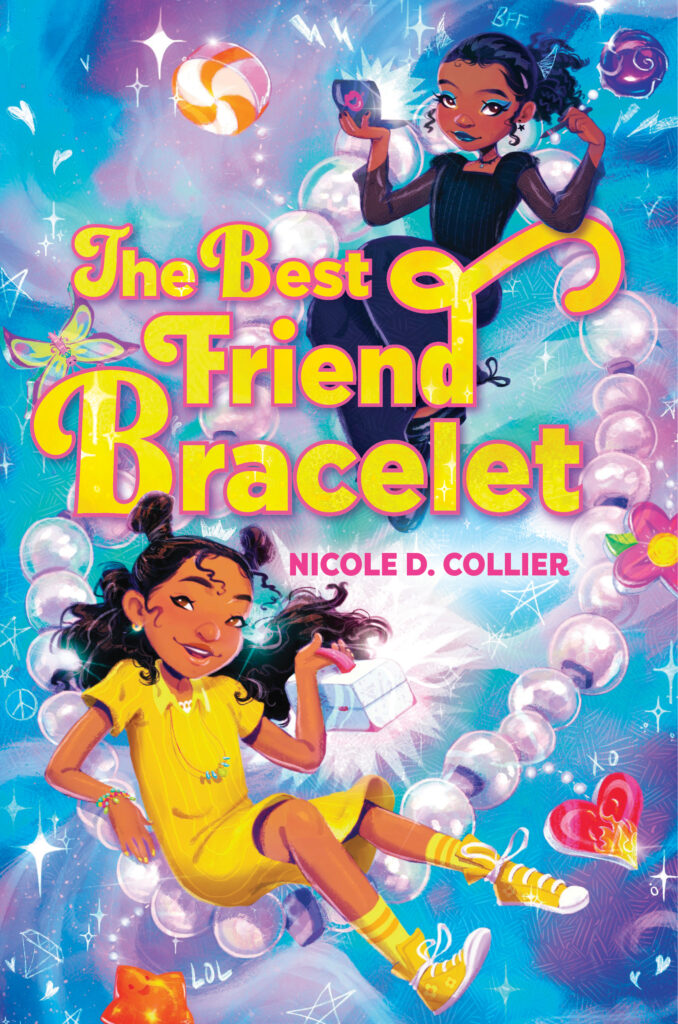
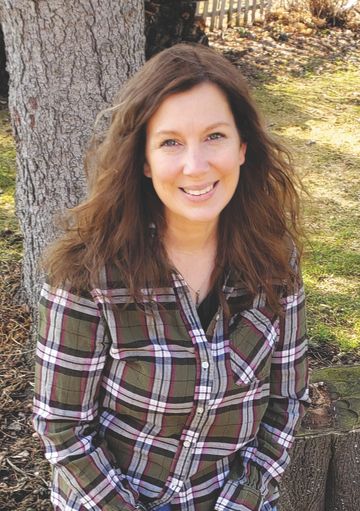
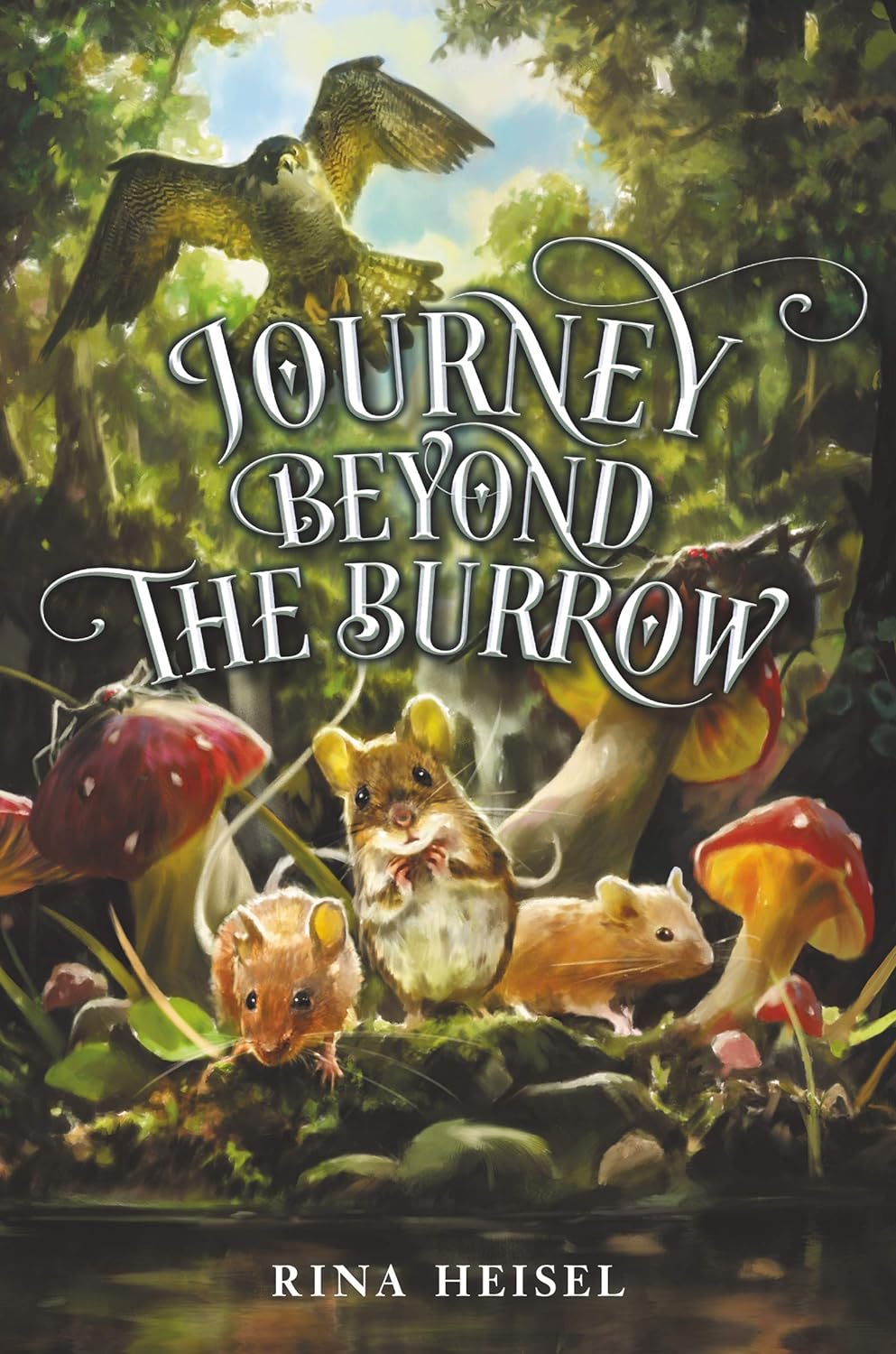
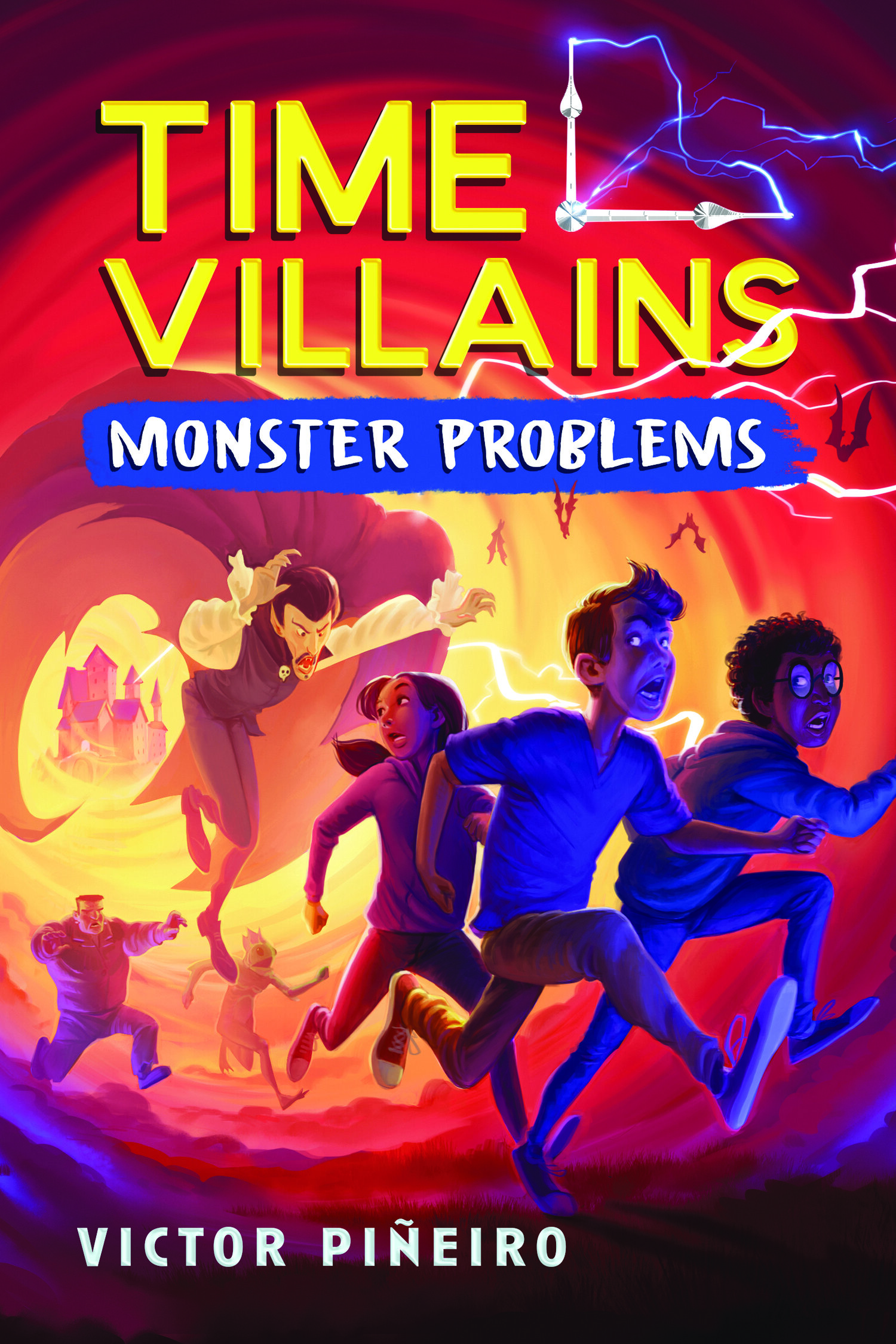
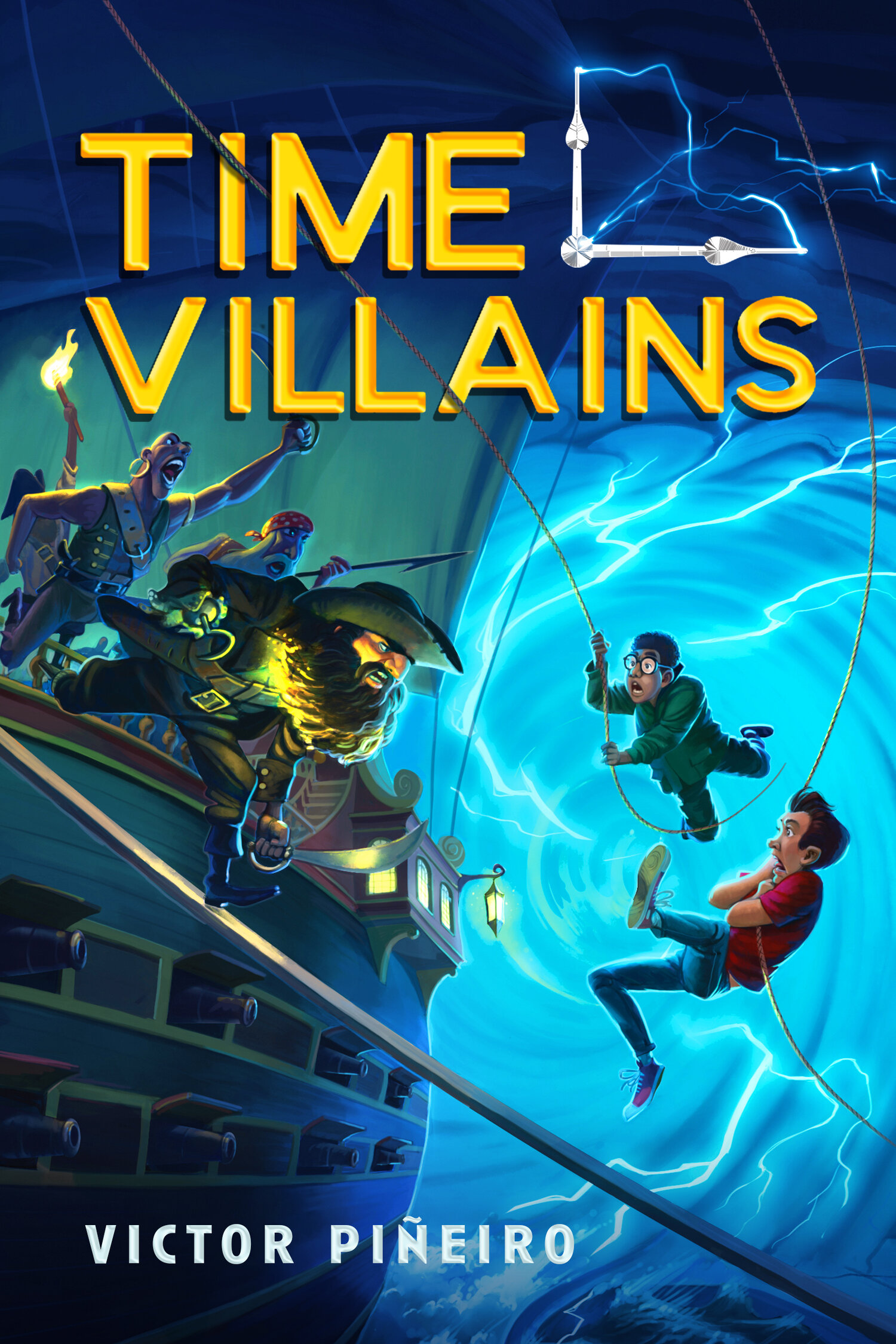
On April 26, 2024, my 5th grade students and I were thrilled to meet with middle grade authors Nicole D. Collier, Rina Heisel, and Victor Piñeiro during a virtual author visit that I had been so fortunate to win earlier this spring. My students ask wonderful questions, and were so enthusiastic when the authors asked if we had any writers in the audience. Many students stood up and proclaimed that they were writers and readers at the end of the visit. I, for one, annd looking forward to seeing where my students’ life journey takes them. Like the Middle Grade Authorcade logo states, WE LOVE BOOKS!

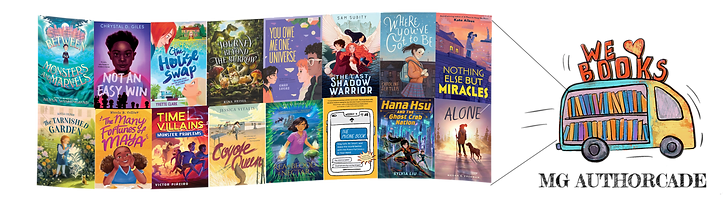
The Middle Grade Authorcade shares its origin story as, “Once upon a time, a group of first-time authors banded together to support one another in their debut year. Through this time of shared uncertainty, vulnerability, and celebration, friendships and great camaraderie emerged. So as our debut year ended, we didn’t want this supportive community to fade. With that, the Middle Grade Authorcade was born. It’s one of life’s happy endings. And you’ve got to take happy endings wherever you can get them.”

On April 26, 2024, my 5th grade students and I were thrilled to meet with middle grade authors Nicole D. Collier, Rina Heisel, and Victor Piñeiro during a virtual author visit that I had been so fortunate to win earlier this spring. My students ask wonderful questions, and were so enthusiastic when the authors asked if we had any writers in the audience. Many students stood up and proclaimed that they were writers and readers at the end of the visit. I, for one, annd looking forward to seeing where my students’ life journey takes them.

Educator Resource: Journey Beyond the Burrow Teacher Resource Guide

How did you get involved in MG Authorcade?

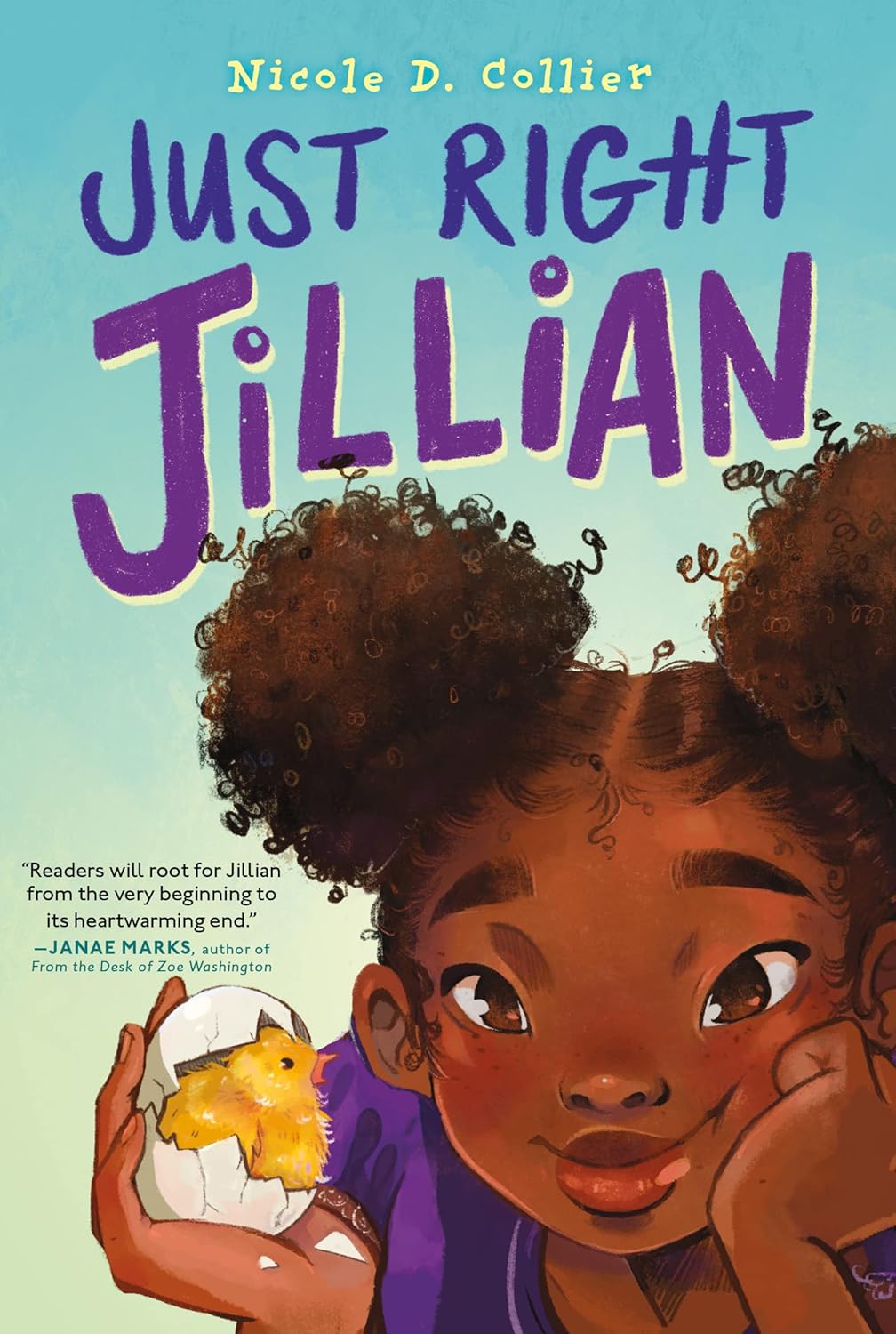
(NC) All the members of Authorcade were debut authors in 2021. Collectively we called ourselves #21ders. Officially, I was a Fall 2021 debut, but Just Right Jillian was released in February 2022. That wasn’t due to COVID as many assume; it was simply that “Fall” meant everything from August to February! I didn’t discover this until I had already bonded with the other #21ders! After I joined the #22debuts group, I kept in touch with my original debut buddies.

(VP) Though getting published for the first time was one of the highlights of my life, so was meeting a bunch of absolutely wonderful kidlit authors who were also getting published in 2021. A few of us really hit it off and formed Authorcade, hoping to spread a love of reading to middle grade readers everywhere!

Why do you think it is important to write for the middle grade audience?

(NC)  “Young people are trying to discern who they are vs. who they want to be, and how to bridge the gap between the two. My stories are right in that gap. It’s special to create art that edifies and delights the next generation, and as a former teacher (and the daughter of a school librarian) I can’t overstate the importance of literacy at this (and every) age.”

(RH) “For me, this was my “golden era” of reading—when I really began connecting to characters and getting lost in the stories, so to me there is just something magical about middle grade. This was the age I sort of pushed myself, I wanted to try reading something a little scary, or a little sad. Middle grade is an amazing place for discovery and optimism—it’s just my favorite place to be. To now put my books out there for this age is a mind-blowing honor.”

 (VP) “The most important, foundational, life-changing books I read were during my middle grade years, and as a teacher I noticed that it was true for many of my students too. Middle grade minds are open, curious and ravenous for story. And if I can help them turn into bookworms for life, that feels like the greatest job of all!”

What have you learned as you have met with your readers?

(NC)  “I love hearing the connections kids make to stories, sometimes in really unexpected ways. As a result, visits always remind me to be open to possibility.”

(RH) “Middle grade readers have the best questions for writers! So many readers I talk to are interested in writing their own stories, so they ask a lot about the writing process. They also like to talk about some of the critters in my book—mice, snakes, spiders, and how I researched all those things. I have found that our conversations are so great and we never seem to have enough time!”

 (VP) “I’ve learned that middle grade readers read deeply, truly understand your characters, and connect on a deeper level with a book than most other audiences. They also ask the most interesting questions. I’m constantly floored by the questions they ask me.”

What message do you have for librarians (and all educators)?

(NC) “At the core, your work is really about helping people of all ages become their best selves. Everything that counts can’t be counted, but everything you do truly matters. Thank you!”

(RH) “As authors, we are typically in awe of the work you do! We supply the material, but it takes educators to place the right books with the right students and encourage and support their reading journey. You are all superheroes and we appreciate you beyond measure.”

 (VP) “It’s both harder and more important than ever to give kids a chance to fall in love with reading before screens vie for all of their attention. Godspeed.”

What message do you have for your readers?

(NC) “Seeds of change are planted every time you read a book. Keep reading, and watch your life bloom.”

(RH) “My readers are usually with me because they love adventures and creatures of all kinds. I would say to them, “There is a story in every forest, every park, every backyard—if you use your imagination, you will find it!” 

(VP) “Thanks for reading, for reaching out, and for asking such inspiring questions! I’m so excited for you to read a very different book I have cooking, which should be out next year!”

I am looking forward to seeing where Nicole, Rina, and Victor’s writing journeys take them in the future!  Their readers are, too!